
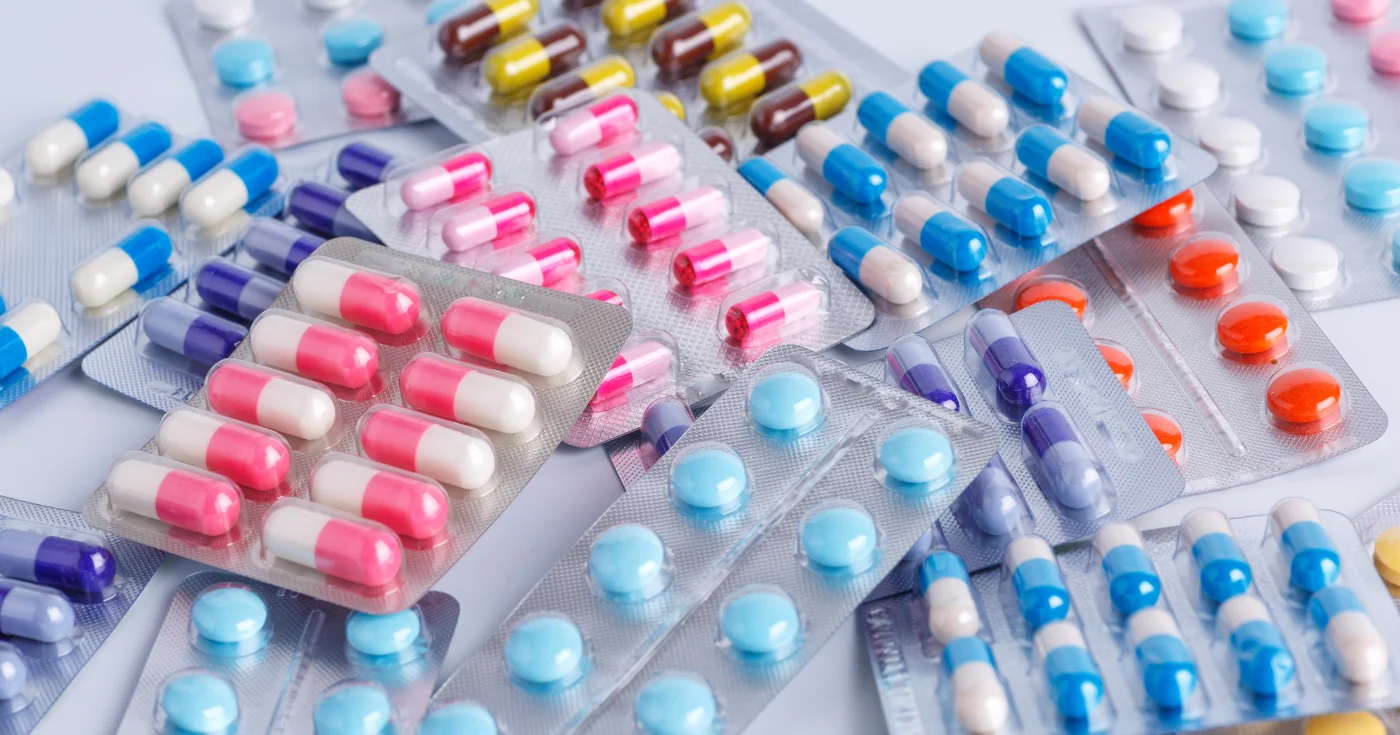
You probably have one of these medications in your first aid kit. And if you thought they were harmless, or even useful, you risk seeing things differently after what you are about to read.
Every year, the independent medical journal publishes a list of drugs that it considers “to be avoided for better treatment”. And this year again, 89 products are singled out, some very popular, even recommended by health professionals.
An independent review, harsh conclusions
At the origin of this work, a team of doctors, pharmacists and researchers who review the scientific data available on each drug. Their goal: to check whether the benefit/risk ratio is sufficiently favorable for the treatment to be maintained on the market.
This time, the ax fell on 89 specialties marketed in France. What do they have in common? Either their effectiveness is considered very low, or their adverse effects are too serious in relation to the expected benefits. Worse still, some people combine both problems.
The review specifies that “some are more dangerous than useful in all the clinical situations for which they are authorized in France”. And yet, none of these drugs have been withdrawn from the market by health authorities.
Smecta, Maxilase, Voltarène… well-known products
Among the products targeted, three names particularly stand out. First, Smecta, often recommended against diarrhea. It is on the blacklist because it is considered “not very effective and likely to contain traces of lead”.
Another product widely sold without a prescription: Maxilase, a syrup for sore throats. It should be avoided because it can cause allergic reactions, sometimes serious.
Finally, Voltarene tablets, a well-known anti-inflammatory, are singled out for their cardiac toxic potential. underlines that this medicine “exposes to an increase in cardiovascular adverse effects, in particular myocardial infarction and stroke”.
However, all of these drugs are still authorized by the National Medicines Safety Agency (ANSM).
Three new features added to the list in 2025
In addition to this already well-stocked list, three new drugs to avoid in 2025 have been included. They concern common pathologies, such as hot flashes, cough or osteoarthritis.
- Veozah: intended for postmenopausal women, this treatment is associated with a risk for the liver. It is therefore not recommended “due to liver toxicity that appeared in clinical trials”.
- Lyfnua: presented as a remedy for chronic cough, it can cause taste alteration and, even more seriously, “promote pneumonia”.
- Chondrosulf: used against pain linked to osteoarthritis, this product does not provide any significant clinical benefit according to the review, to the point of also being placed in the category of drugs to be avoided.
Why do these drugs remain on the market?
This is the question that comes up with each new publication of the journal. If we believe that these products have no place in medical prescriptions, why does the ANSM keep them on sale?
The answer often lies in a difference in interpretation between the scientific data available and the evaluation criteria used by the authorities. The agency may consider that processing remains useful in certain very specific situations, where the journal applies a more strict and rigorous filter. But that does not mean that ‘s opinion is marginal: for years, this publication has established itself as a reference in the medical world.
And even if his opinion has no legal value, it influences many health professionals. Many prescribers choose to exclude certain products solely because they appear on this black list.
Individual vigilance becomes necessary
You don’t need to be a doctor to understand that the pharmacopoeia is not free of contradictions. And when a medicine you find in a pharmacy is described as “more dangerous than useful” by experts, it is legitimate to ask yourself questions.
What this annual alert shows is that blind trust is no longer appropriate. Instructions, recommendations, even prescriptions are no longer always enough. You must also learn to inform yourself, to question, to ask for a second opinion, especially when it comes to repeated treatments, chronic pathologies or medications taken for self-medication.
FAQs
1. Is Smecta really dangerous?
Smecta, used to treat diarrhea, is highlighted by the review Prescribe because it is considered “not very effective” and likely to contain traces of lead. Although it is still available over the counter, experts recommend avoiding its use, especially in young children.
2. Why is Maxilase on Prescrire’s blacklist?
Maxilase syrup, commonly used for sore throats, is classified as one of the medications to avoid due to the risk of allergic reactions, sometimes severe. Its prescription is no longer considered justified given the potential side effects.
3. Can we still buy oral Voltarene in pharmacies?
Yes, Voltarene in oral form is still authorized and available in pharmacies. However, Prescribe warns of an “increase in cardiovascular adverse effects”, which pushes certain health professionals to favor other anti-inflammatories.
4. What are the side effects of Veozah medicine for menopause?
Veozah, intended to relieve hot flashes in postmenopausal women, poses a risk to the liver. The review
Prescribe cites “liver toxicity” observed in clinical trials, which justifies its presence on the list of drugs to avoid.
5. Is Chondrosulf useful for osteoarthritis?
According to PrescribeChondrosulf does not provide significant clinical benefit in the treatment of osteoarthritis. Its effectiveness is considered insufficient and it is therefore not recommended, in favor of non-drug treatment or better evaluated alternatives.
Photo credit: @shutterstock
