
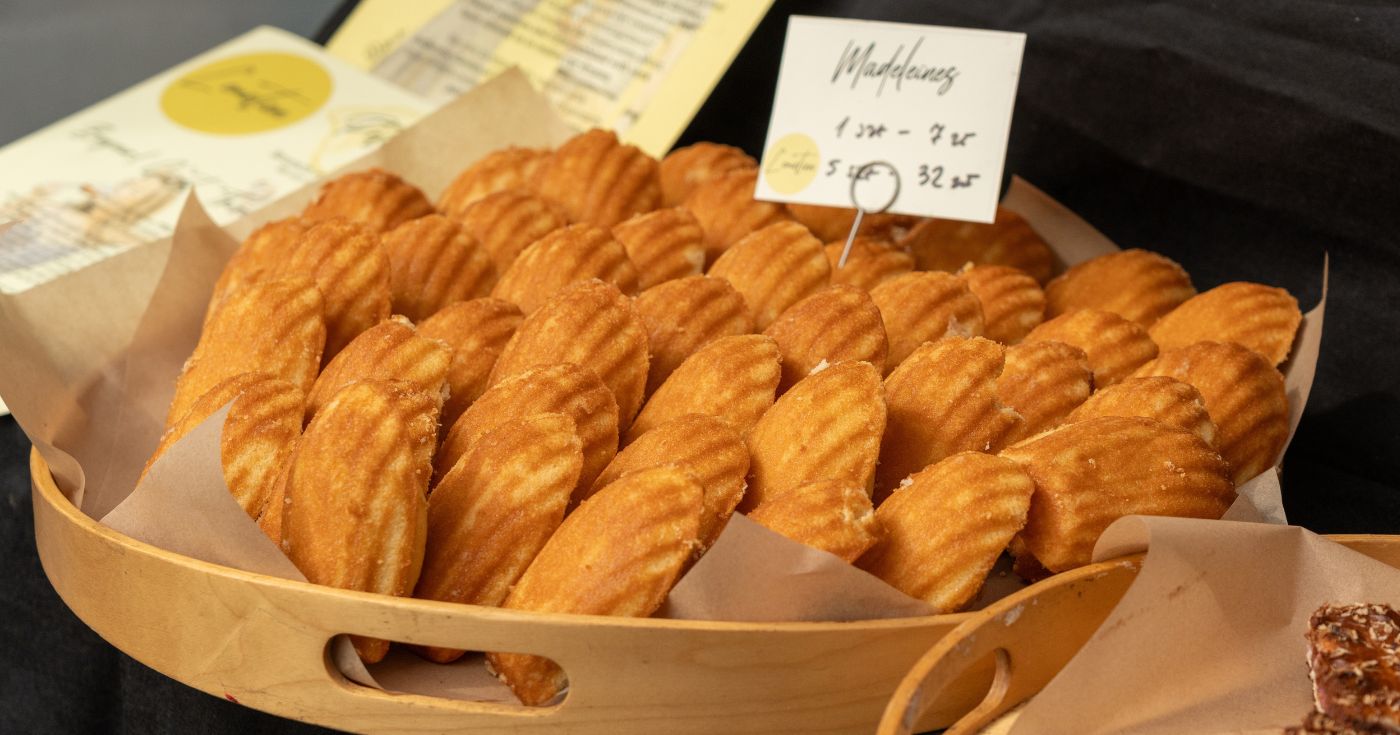
A blood alcohol control carried out in France recently raised unusual questions. The test, carried out in a conventional road prevention context, revealed a detectable alcohol level, resulting in a verification procedure. Far from being an isolated case, this episode highlights an often neglected point in controls of this type: the potential influence of certain food products on results.
A specific case, a madeleine, a brand
Jean, 20, was checked positive with alcohol during a road screening in Mont-de-Marsan, in the Landes. The test displayed a rate of 0.16 mg/l of expired air. The young man, who went to his work, had consumed a marbled Madeleine of the Spanish brand Productos Arenas, bought the day before in a local supermarket, a few moments earlier.
Alerted, his employer decided not to initiate prosecution but set aside the criminal product. A pastry sample was sent to a laboratory for analysis. Jean, for his part, has filed a handrail, worried about the administrative and professional consequences of such a test. According to his statements, he had not consumed any alcoholic drink. The product, for its part, mentions no alcohol in its composition. The manufacturer, contacted by the press, says: “Our Madeleine does not contain alcohol”.
Invisible residues at the heart of suspicions
Several agrifood experts evoke industrial processes which could explain the presence of traces of alcohol in certain processed products. One of the most common methods is to spray ethanol on the surface of pastries, in order to improve their conservation. This authorized treatment does not always require being mentioned on the label if the alcohol evaporates before consumption. Residues, in tiny quantities, can nevertheless remain and be enough to trigger a blood alcohol test.
Another possibility mentioned: natural fermentation, linked to storage conditions. A product exposed to heat or humidity can, in some cases, develop a responsible micro-fermentation for the production of ethanol. These cases remain rare, but are documented in certain food sectors. At this stage, none of these hypotheses have been confirmed, the laboratory analysis results being still expected.
When the races are problematic
This type of incident questions about the confidence that consumers can have in current products, a fortiori when they are intended to be consumed at work, family or before taking the wheel. For people who never drink alcohol, for health reasons, convictions or professional obligations, the idea that a simple industrial cake can trigger a positive test can be destabilizing.
Parents can also question the real composition of certain products given to their children. If manufacturers claim to comply with the standards in force, the processes used, such as alcohol vaporization for conservation, are not always mentioned on the labels. Without a clear indication, it becomes difficult to anticipate the potential effects of these products on screening, or even on more sensitive organisms.
FAQ – Can we really be positive for alcohol because of a food?
1. Can we be positive for alcohol without having drunk?
Yes, some rare cases have shown that a blood alcohol test can display a positive result after consuming certain foods or fermented products.
2. What foods can a blood alcohol test distort?
Industrial products such as pastries, pastries or alcoholic candies may contain traces of ethanol, sometimes sufficient to influence a test.
3. Is the alcohol used for preservation detectable?
In some cases, yes. The ethanol used on the surface to keep certain products can leave residues detectable by an ethylotst.
4. Should we avoid eating before a road control?
It is recommended not to consume anything in the minutes preceding a test, especially sweet or processed products, to limit any risk of false reading.
5. Can a blood alcohol test be disputed?
Yes. If in doubt, only a blood test can confirm or deny the result of a blood alcohol test carried out on the road.
