
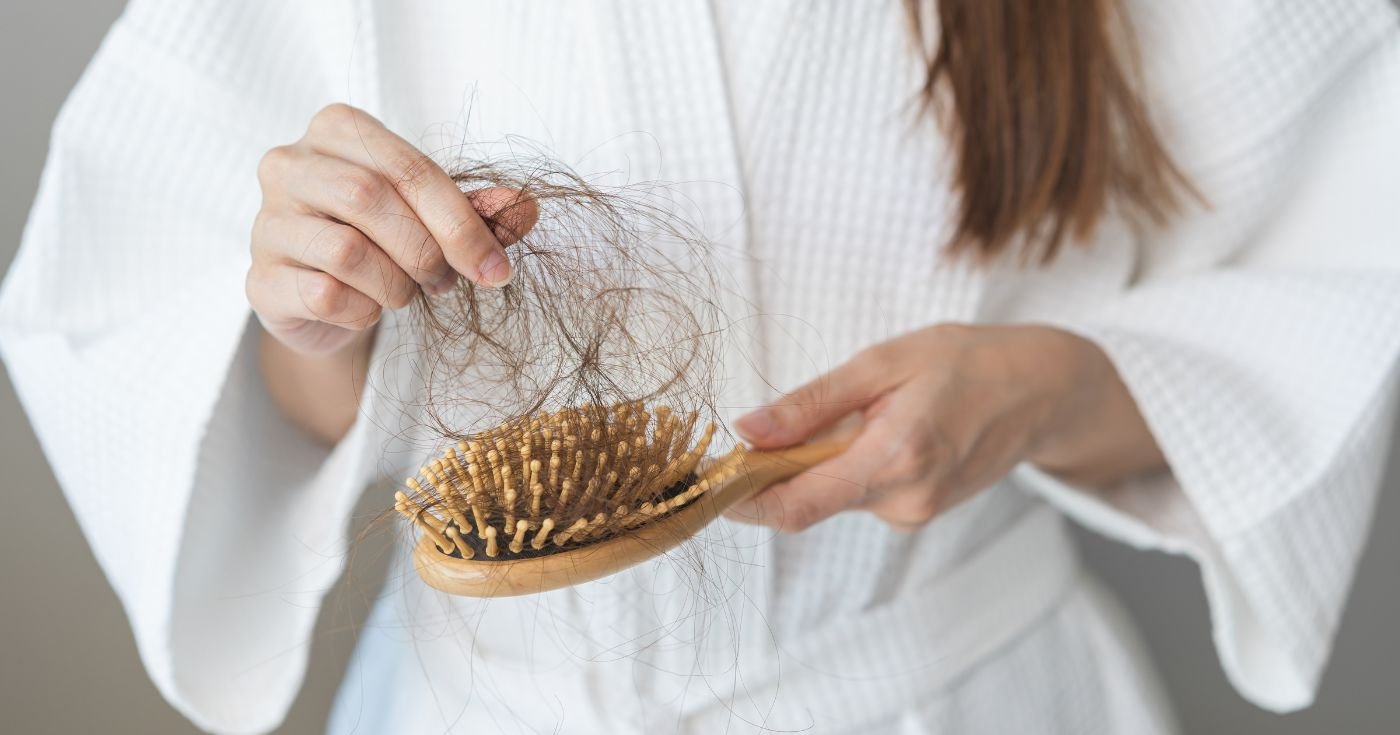
The return of the month of September does not only rhyme with back to school. It is also a period often marked by an observation that many share, sometimes without talking about it: hair falls more than usual. A well -known phenomenon today, but which often remains minimized.
Why does September trigger hair loss?
In several Anglo-Saxon countries, September marks the launch of alopecia awareness-raising initiatives. This period was not chosen at random. Many people find that they lose more hair when falling. A seasonal peak which is first explained by biological causes.
The hair follows a life cycle in three phases: growth (anagène phase), transition (catagen), then fall (telogen). However, certain factors such as intense solar exposure during the summer can accelerate the transition to the telogen phase. Result: the hair die in summer … and fall a few weeks later, often from September.
This phenomenon would also be linked to hormonal variations, the stress of the start of the school year, and the change in pace or food. We then speak of “” or “”, which can last between 4 and 6 weeks.
What factors aggravate the seasonal fall?
In addition to the natural cycle, certain gestures or situations can accentuate the seasonal fall. A depleted power supply in iron or vitamins of group B, prolonged fatigue, a poorly oxygenated scalp or the repeated use of overly tight accessories can promote a more abundant fall.
In women, hormonal upheavals (contraception, postpartum, perimenopause) can coincide with this period of natural fragility. The effect is then amplified, and sometimes more visible than other times of the year. It is not uncommon to observe a loss up to 200 hair per day during this period, against 50 to 100 on average.
Can we alleviate hair loss as autumn approaches?
Even if the seasonal fall is often inevitable, it is possible to reduce its intensity by simple gestures. The main thing is to avoid attacking the scalp: soft massages to stimulate blood circulation, brushing with a flexible brush, non -excessive washing with suitable shampoo, and stop of heating devices if possible.
A micronutrient intake can also help strengthen hair fiber: zinc, iron, vitamin B8 (biotin) or keratin can be advised, in agreement with a health professional. Finally, in case of doubt about an abnormal or persistent fall, a medical consultation remains essential.
FAQ – What one wonders (really) on hair loss in September
1. Is it normal to lose more hair when you wake up or in the shower in September?
Yes, especially in this period. The number of hair found on the pillow or in the siphon can increase without reporting a pathology. It is often the natural fall phases that become more visible.
2. Can we distinguish a seasonal fall from more serious alopecia?
The seasonal fall remains temporary, broadcast, and fades itself after a few weeks. On the other hand, a localized loss, extended or associated with relaxed areas must lead to consult.
3. Can change of shampoo or capillary routine worse?
Not directly, but products that are too striking or poorly adapted to the scalp can unbalance the skin barrier and further weaken the hair already in the fall phase.
4. Is the fall more marked in women than in men in September?
It can be, especially due to hormonal fluctuations (back to school, stress, contraception, postpartum), which are added to seasonal effects. But men also can be affected, especially those with a genetic predisposition.
5. Should we start an anti-fall treatment from the first signs or wait for the fall?
Acting early often makes it possible to limit the intensity of the seasonal fall. Preventive treatment or suitable care in September can help stabilize the situation before fall aggravates the loss.
