
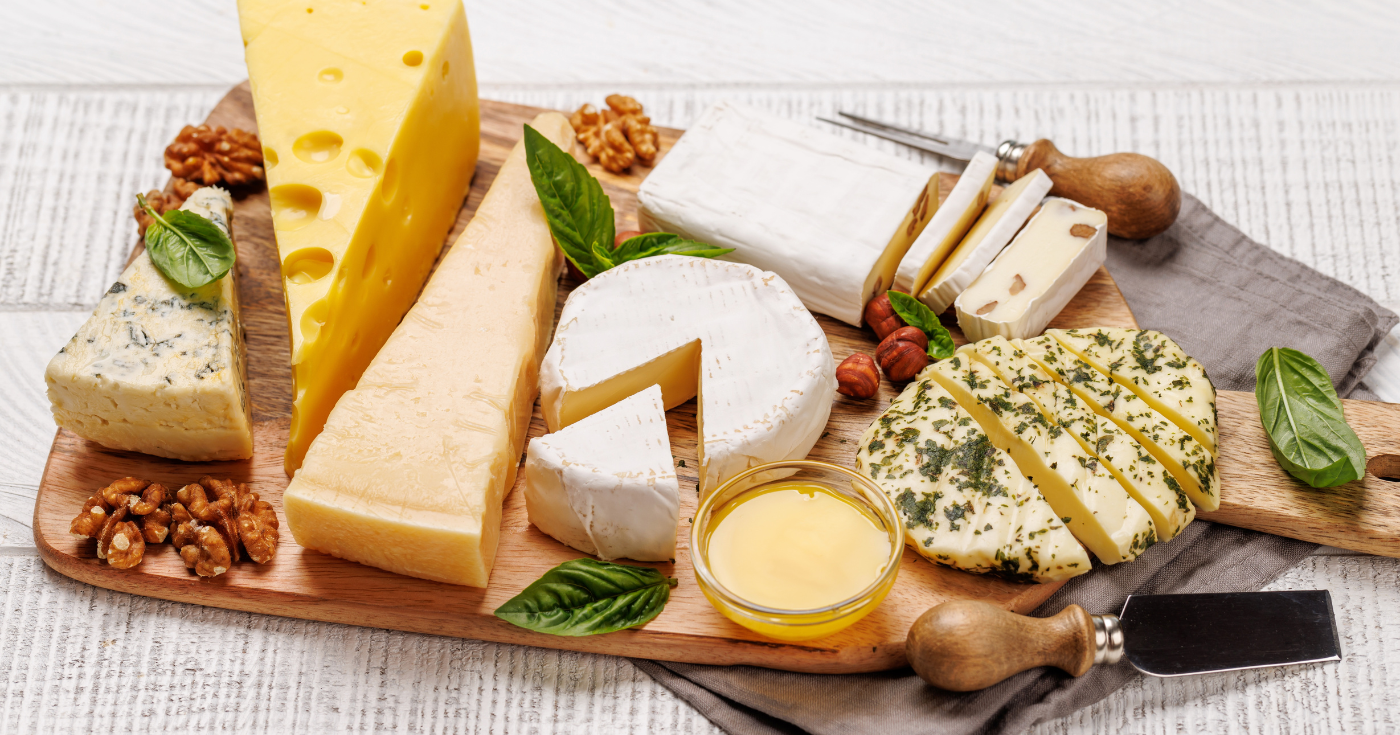
Yuka has become an almost essential app for anyone who scrutinizes the composition of their plate. Based on a score out of 100, it gives you an instant score to judge whether your product is closer to salad than soda. Except that for certain foods, like cheese, the rules of the game are biased from the start.
The spreadable cheese voted “healthiest”: who is it?
The announcement had its small effect: a spreadable cheese achieved the feat of obtaining the maximum score on Yuka. But which one? Suspense. The information is circulating on the networks, some say that it is a product that you know well, without ever mentioning its name. Practical.
Brands are already riding the wave with carefully crafted posts, claiming that they have got their hands on “the only spreadable cheese validated by Yuka”. But in reality, no visual, no nutritional table, no ingredient listed. Nothing apart from teasing.
This vagueness makes the situation a little frustrating. You want to know what you put on your toast, not play guessing games.
Behind the note, what Yuka really measures
When a product scores 90/100 or more on Yuka, it’s the marketing jackpot. Except that the rating is not an official label, it is a rating weighted according to very specific criteria.
What Yuka analyzes for a spreadable cheese is above all its calorie content, fat content, saturated fat content, salt content, and the possible presence of additives or controversial ingredients. A cheese that is less salty, low in fat and without additives has a clear advantage. But is it necessarily the one you want?
A highly processed product, made with milk proteins, modified starches and artificial flavors can get an excellent rating if it checks the right nutritional boxes. However, in terms of taste or quality of ingredients, it is not necessarily the cream of the crop.
What you really need to look at before buying
Rather than relying solely on an app rating, you can sharpen your consumer eye by examining a few simple but essential criteria:
-
The amount of fat: not just the total, but especially the saturated fats.
-
Salt level: spreadable cheeses are often very salty to mask a bland texture.
-
The list of ingredients: the shorter it is, the better. If you read “milk proteins”, “thickeners” or “flavorings”, be wary.
-
Labels: an AOP or Label Rouge, even poorly rated by the app, often remains a good choice in terms of real quality.
-
Taste: because a product rated 100/100 that you don’t like remains a failure on your toast.
These benchmarks will help you make more informed choices, without letting yourself be hypnotized by a flattering score.
Why you should always keep a critical eye
A product promoted by a health app is reassuring. But it shouldn’t put you to sleep. Marketing knows very well how to use a good rating as a sales argument, sometimes to the detriment of transparency.
A statement “validated by Yuka” guarantees neither the taste, nor the origin, nor even the overall nutritional value if you do not read between the lines. This should be seen as a help, not as an absolute truth.
So yes, a cheese spread can be healthy. Yes, he can get a great rating. But it’s up to you to decide what you really want to put on your toast: a well-rated product or a really good cheese. In the end, it’s your palate, your body, and your decision.
FAQ: What you need to know about spreadable cheese validated by Yuka
1. What cheese spread received the highest rating on Yuka?
The brand is not clearly identified in official sources, but several clues point to a widely distributed industrial product, possibly from a low-fat or protein-enriched range. The exact mention remains subject to interpretation, as no official confirmation has been given.
2. Can AOP or organic cheeses be well rated on Yuka?
Not always. AOP or artisanal cheeses are often higher in fat and salt, which can lower their score on Yuka. The application mainly values standard nutritional criteria, not origin, manufacturing or taste quality.
3. Can we trust the rating given by Yuka 100%?
Not completely. The Yuka rating is an interesting indicator, but it does not take into account certain aspects such as provenance, quality labels or manufacturing method. It is useful for comparing industrial products, but does not replace careful reading of labels.
4. What ingredients should you avoid in spreadable cheese?
Be wary of products containing thickeners (xanthan gum, carrageenan), artificial flavors or a long list of additives. Favor short and understandable lists, with milk, lactic ferments and few additives.
5. Are low-fat spreadable cheeses really better for your health?
Not necessarily. They may contain less fat but be more processed, with texturizing agents or additives to compensate. A low-fat product may get a better rating, but this does not guarantee the quality of the ingredients or the taste.
Photo credit: @shutterstock
