
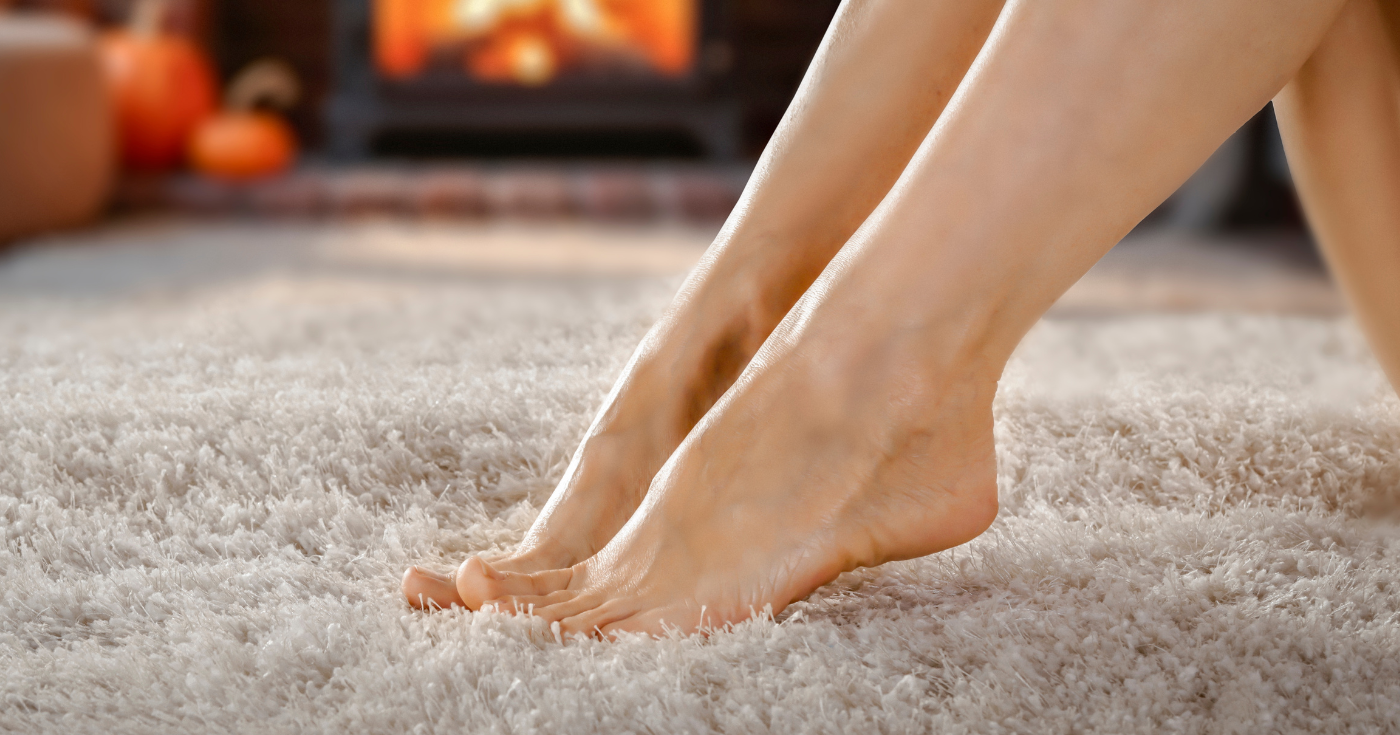
Having icy feet as soon as temperatures drop quickly ruins an entire day. Google searches for or have jumped by 5,000% in one month, a sign that the subject concerns many people. Between discomfort and drying skin, the cold season does not spare our feet. And yet, we talk very little about their care routine.
However, cold feet in winter are not inevitable. Between the way the body reacts to the cold, the shoes we choose and the condition of the skin, many parameters affect this sensation of permanent ice. Good news: a few targeted reflexes, repeated day after day, are often enough to keep them warm, comfortable and nicely maintained.
Why do your feet get cold when it’s cold?
When temperatures drop, the body concentrates blood to vital organs to protect them. The extremities like the toes find themselves less irrigated: the skin turns pale, the feeling of cold sets in, sometimes with tingling or slight numbness. A sedentary lifestyle, sitting for a long time, crossed legs, but also smoking or stress further accentuate this drop in microcirculation in the feet.
Some people have cold hands and feet all year round or notice that their toes turn white, blue then red, or even painful. This can be linked, for example, to Raynaud’s syndrome, hypothyroidism or diabetes. If your feet remain permanently cold, change color, or have sores that heal poorly, it is best to talk to a doctor.
Good everyday reflexes to keep your feet warm
Restarting circulation is one of the simplest actions. During the day, take a few minutes to do toe flexions and extensions, draw circles with your ankles, stretch your calves, walk a little whenever possible. A lukewarm foot bath when you get home also helps warm the tissues and relax the muscles, as long as you keep the temperature reasonable so as not to irritate the skin.
Hygiene plays a key role. Wash your feet every day with lukewarm water, then dry them carefully, insisting between the toes, with a soft or microfiber towel to avoid residual humidity, which is conducive to fungal infections. Then put on breathable cotton, wool or bamboo socks, loose enough not to restrict circulation. And at night, it’s up to you: sleeping barefoot lets the skin breathe, but thin, soft socks can provide immediate comfort. For those who are more chilly, thermal insoles or foot warmers can help, provided you do not squeeze the foot.
Cocooning ritual: foot bath, scrub and winter hydration
Once a week, treat yourself to a moment of self-care. Take inspiration from the foot baths offered in institutes, such as the Nature Strong Foot Bath from the OPI brand, which cleans, softens calluses and softens cuticles. Pour a little specific product or mild soap into a basin of lukewarm water, let your feet soak for a few minutes, then dab them with a towel.
This is a good time to gently remove dead skin on heels and thickened areas. Once a week, use a well-moistened pumice stone or a scrub, using circular movements, without insisting on irritated areas. Rinse, dry thoroughly, then apply a cream rich in glycerin and vegetable oils to nourish the skin and limit calluses. Simply avoid putting too much product between your toes, to keep this area dry, and wear light socks to help the treatment penetrate.
Why do my feet always get cold even under the duvet?
At rest, the body reduces blood flow to the extremities to keep heat at vital organs, which easily cools the toes, especially if circulation is already a little sluggish. Wet sheets, a very cold mattress or socks that are too tight can make the feeling of ice worse. A pair of soft socks and a short massage before bed often help improve comfort.
What exercises to improve blood circulation in the feet?
Several simple movements restart microcirculation: flexions and extensions of the toes, rotations of the ankles, rising on the tips of the toes then returning to the heels, small jumps on the spot if your joints allow it. The ideal is to repeat them regularly throughout the day, a few minutes at a time, especially if you sit for a long time.
What type of socks should you choose when your feet are cold in winter?
It is better to favor breathable and insulating materials such as wool, bamboo or certain technical blends, avoiding socks that compress the ankle or calf. Pure cotton retains moisture easily and can feel cold if you sweat. A single, well-fitting pair often insulates better than several layers that are too tight.
How often to take a foot bath in winter?
A lukewarm foot bath about once a week is usually enough to soften the skin, relax the muscles and prepare for the scrub. Very frequent and prolonged soaking, on the other hand, risks drying out the skin, especially in the middle of the cold season. On days without a bath, a simple quick wash followed by careful drying and a nourishing cream remains perfectly suitable.
Permanently cold feet: when to consult a doctor?
If your feet remain cold even outside of winter, change color, become painful or have sores that heal poorly, it is prudent to seek medical advice. Diseases such as Raynaud’s syndrome, hypothyroidism or diabetes can be expressed by circulation disorders in the extremities. A healthcare professional will be able to look for a specific cause and offer appropriate follow-up.
