
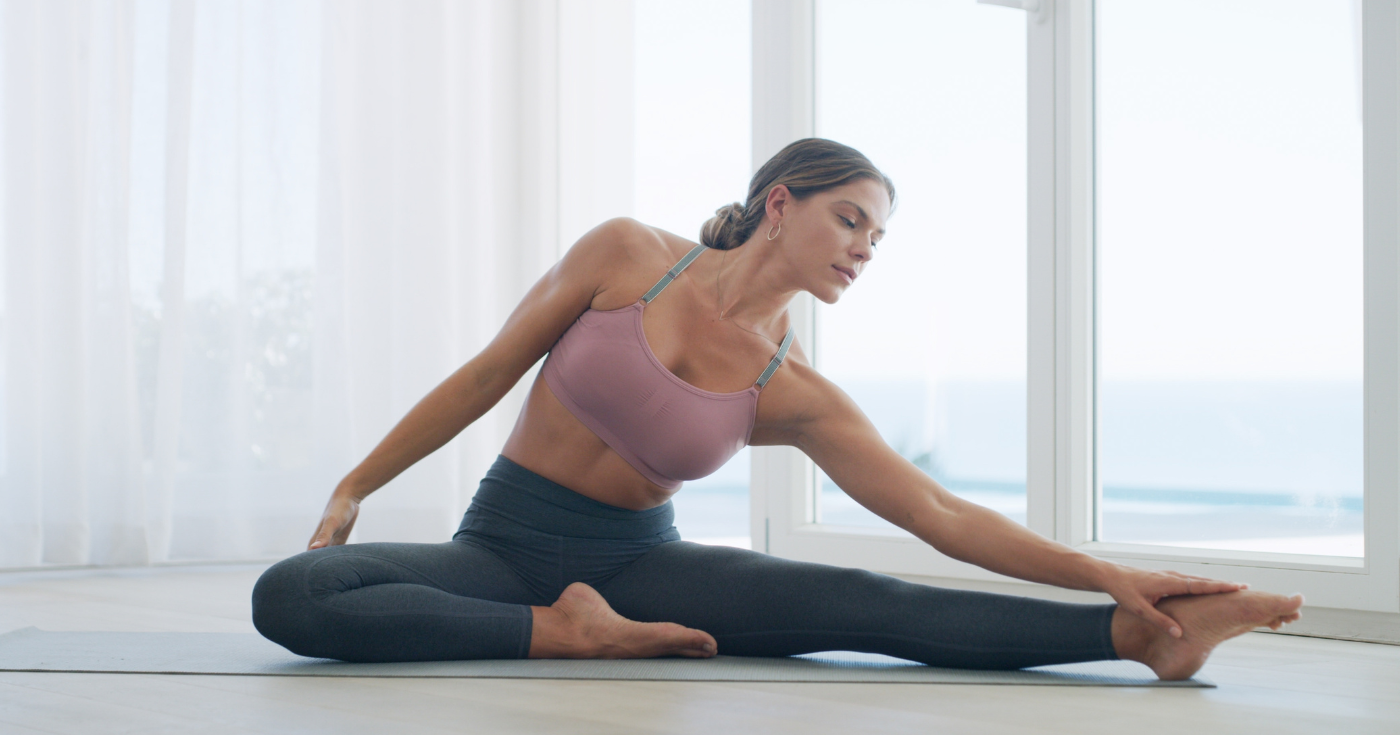
The temperatures drop, the days get shorter, you go through work, end-of-year celebrations and sports sessions without really taking your foot off the gas. The body sticks its tongue out a little, but the idea of looking up from your running app almost makes you feel guilty. What if the best way to progress was through a real sporting break?
This term speaks especially to professional athletes, who take a break between two seasons, while amateurs are often afraid of “losing everything” by taking a break. Should we stop everything, for how long, and what happens to the body and mind when we press pause? This is exactly the role of this famous sporting truce.
Sports break: definition, duration and good time to schedule it
For Doctor Samel Maraffi, a sporting break corresponds to a more or less long break from his usual practice, planned during the year. He sums it up: , he explains in an article for Décathlon. The idea is not to “drop everything” at random, but to organize a period where we break away from the usual training rhythm.
On a scientific level, the doctor recalls a simple principle: , continues Doctor Samel Maraffi. According to physical trainers, this break can last from two to six weeks depending on the training volume, often with seven to ten days of almost complete rest before reintroducing gentle activity. The end of the year, when fatigue accumulates, becomes a particularly suitable time.
Why a sporting break relieves the body and mind
This sporting break first gives a respite to the joints, tendons and muscles, which are very stressed when the sessions follow one another. It limits the risk of injuries linked to overtraining and lack of recovery, especially when resuming intense cycles. Because, as Doctor Samel Maraffi reminds us, he explains.
And then there is the mind. Stopping chasing times, calories burned or bodybuilding series helps relieve the pressure. The break helps restore better sleep, lower stress levels and find time for loved ones. For many regular athletes, it is also a way to prevent sports burnout and the obsession with training at all costs.
How to organize your sports break without losing your progress
A good sporting break is not the same as sitting on the sofa for a month. Specialists instead describe a very light first week, focused on rest, followed by a gradual resumption of gentle activities – walking, yoga, leisurely cycling, swimming – before gradually returning to one’s main sport. Some programs even offer seven structured weeks, with total rest at the beginning then gradual increase in load.
To keep your skills without exhausting yourself, the idea is to swap the obsession with performance for the pleasure of movement. The main points to keep in mind:
- significantly reduce the intensity and frequency of sessions
- vary activities to protect sensitive areas
- forget the connected watch and the numerical objectives
- prepare for recovery by remaining attentive to fatigue
How long should a sports break last?
Doctor Samel Maraffi speaks of approximately four weeks, while specifying that it depends on the sports and the level. Trainers generally plan two to six weeks a year, with a short period of almost total rest then very gentle activity.
Are we going to lose all our level during a sporting break?
Over just a few weeks, the condition does not collapse, especially if you keep a minimum of light activity. The biggest risk comes from overtraining and injuries when you never give yourself a real break.
Does a sporting truce mean a complete cessation of sport?
No, except possibly for seven to ten days to really recover. Then, most experts advise continuing walking, gentle cycling, stretching or yoga, without a performance objective, before gradually returning to your usual training.
