
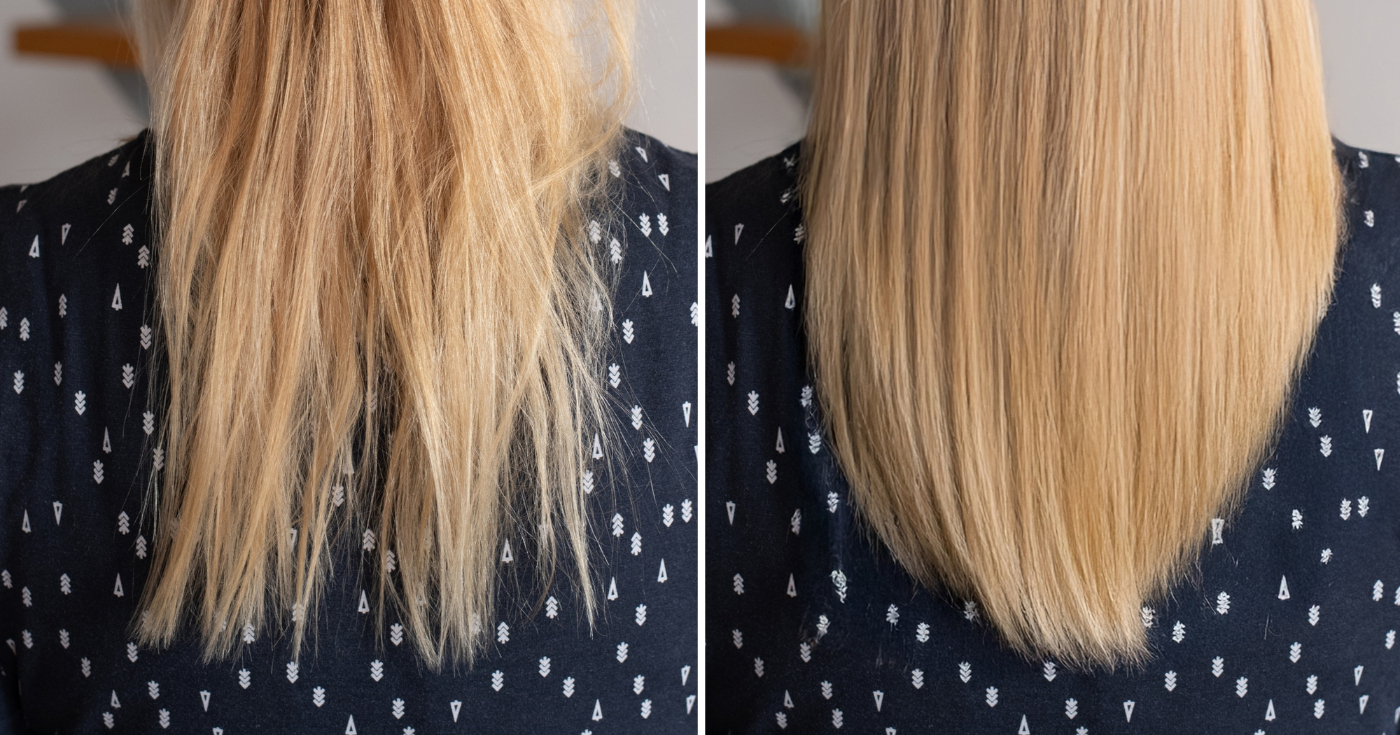
You spend time choosing your shampoo, your mask or your serum… but the real difference could lie elsewhere. In the hours when you do absolutely nothing.
Because while you sleep, your hair continues to experience friction, tension and sometimes even invisible attacks. And this is often where the already weakened lengths break or become further damaged.
Why your hair can get damaged overnight
We often imagine that hair becomes fragile, especially with heating appliances or coloring. However, night can also play an important role in the condition of lengths.
For several hours, the head moves against the pillow. These movements create repeated friction which weakens the hair fiber, especially if the hair is already dry, sensitized or long. Knots form more easily and some strands may break.
The material of the pillowcase also influences this phenomenon. Cotton, very common in bedding, absorbs the hair’s natural moisture and increases friction between the fiber and the fabric. This combination can accentuate rough appearance or split ends.
Over time, these nighttime microaggressions accumulate. Hair becomes duller, harder to detangle, and may appear to grow slower simply because it breaks more.
Simple evening actions that help strengthen hair
A few habits adopted before sleeping can limit these nocturnal attacks.
Tying your hair can already make a difference. A very loose hairstyle prevents the lengths from tangling during the night. A loose braid or loosely tied low tail helps hold strands together without pulling on the roots.
The choice of pillowcase can also improve the situation. Materials like silk or satin reduce friction between the hair and the fabric. The lengths slide more on the surface and experience less tension.
A light treatment applied to the ends can also support the hair fiber overnight. Vegetable oils or nourishing serums provide a protective film which limits dryness and protects the most fragile areas.
Finally, detangling plays an essential role. Before sleeping, gently passing a suitable brush or wide-toothed comb helps eliminate tangles and distribute natural oils along the hair fiber.
The often underestimated role of the scalp
When we talk about strong hair, the focus is almost always on the lengths. However, it all starts at the scalp.
A balanced scalp promotes the growth of stronger hair. Tension, fatigue or certain skincare habits can disrupt this balance and weaken the fiber as soon as it is formed.
Taking care of the scalp can be done through simple gestures such as a gentle massage when shampooing or using suitable treatments. These habits stimulate microcirculation and help maintain an environment favorable to healthy growth.
Strong hair therefore does not depend solely on a mask or a miracle product. The regularity of gestures and attention to details, especially in the evening, can gradually transform the condition of the lengths.
Adopting a few habits before bed only takes a few minutes. Yet, night after night, these small adjustments can contribute to stronger, more manageable hair when you wake up.
Is sleeping with your hair tied up really better to avoid breakage?
Yes, provided that the hairstyle remains very flexible. A loose braid or loose low tail limits tangling and prevents lengths from tangling during the night. Conversely, a tight bun or an elastic band that is too tight can weaken the hair fiber and pull on the roots.
Which pillowcase material is best suited to protect hair?
Silk or satin pillowcases are often recommended because they reduce friction between hair and fabric. The lengths slide more easily on the surface and undergo less tension than on classic cotton.
Can you apply oil to your hair before sleeping?
Yes, but in small quantities. Applying a few drops of nourishing oil only to the ends can help limit dryness and protect the hair fiber overnight. The objective is to nourish fragile areas without weighing down the lengths.
Should you brush your hair before going to sleep?
Gentle detangling before bed can be helpful in removing tangles formed during the day. Using a suitable brush or a wide-toothed comb helps distribute natural oils from the scalp to the lengths and reduces the risk of breakage during the night.
Does the scalp influence hair strength?
Photo credit: @shutterstock
