
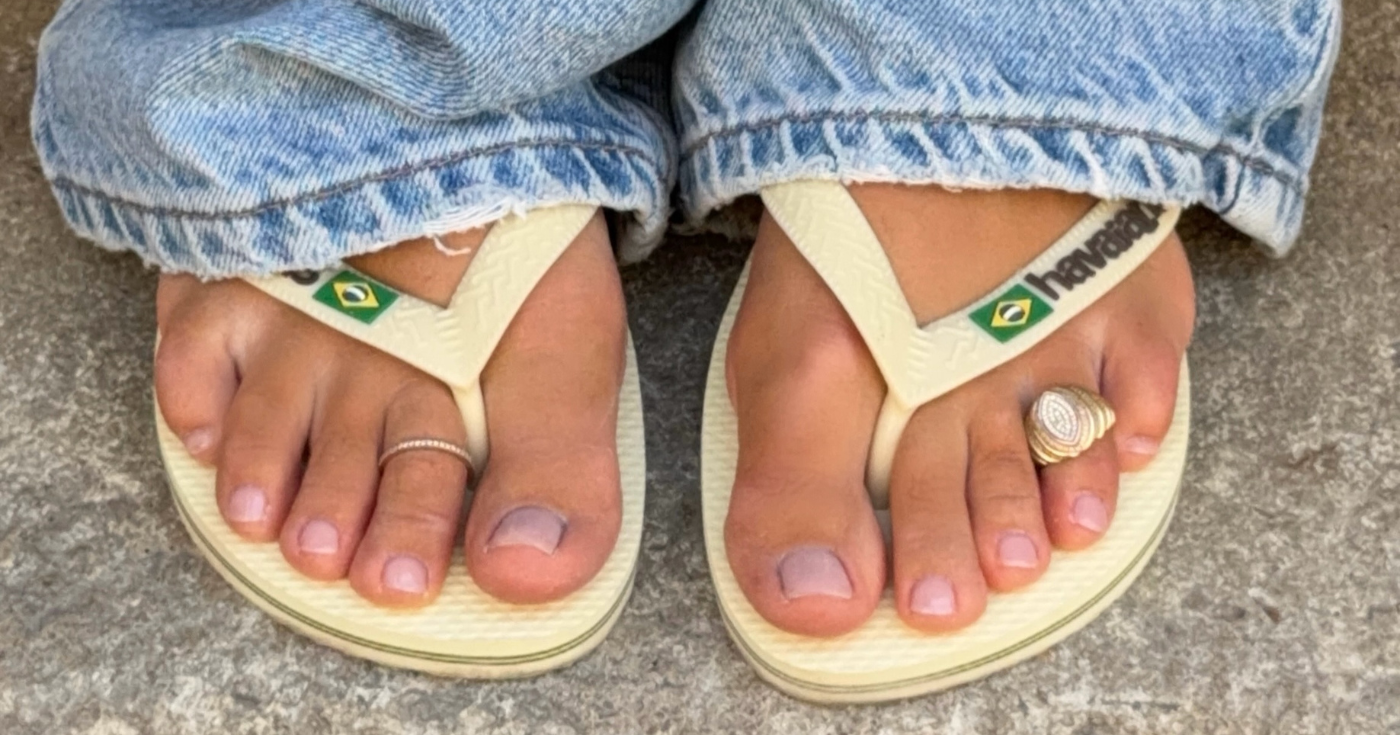
Open sandals, colored nail polish, photos of impeccable feet on Instagram: as soon as the temperatures rise, the pedicure becomes an almost obligatory ritual. We think of color, shine, rarely foot mechanics. However, under a pretty varnish, certain actions damage the nail and make it suffer in shoes. Until triggering those dreaded ingrown toenails.
An ingrown toenail is the edge of the nail that digs into the skin, causing redness, swelling, and sharp pain with every step. Unsuitable cut, tight shoes or poorly chosen nail polish are enough. Three pedicure errors are common among podiatrists: too much thickness, poor shape, poorly managed length. Good news, we can correct them without giving up pretty feet.
Ingrown Toenails: What Your Feet Really Go Through
An ingrown toenail occurs when its edge penetrates the skin instead of sliding over it, triggering inflammation and sometimes infection. For podiatrists, everything happens upstream. Morgane Dujoncquoy, chiropodist-podiatrist, sums it up: . , she comments again in an interview with Sud Ouest, specifying that .
According to her, prevention concerns everyone: when asked about people at risk, she answers. A passerby, who came to take stock of this action, confirms that. Diabetics sometimes arrive late, because , testifies Morgane Dujoncquoy, who also recalls that .
Thickness, shape, length: pedicure mistakes that hurt
First mistake, add thickness to the toes: gel, resin, capsules. The nail then rubs the top of the shoe, comes off more easily, becomes rigid and presses on the sides of the finger, ideal ground for the ingrown toenail.
Cutting your toenails square with sharp corners or completely rounded causes the corners to dig into the flesh. Podiatrists recommend cutting straight, without shortening too much, leaving 1 to 2 mm overhang and simply breaking the angles with a soft file.
Preventing ingrown toenails: good reflexes and the role of the podiatrist
On a daily basis, it is better to keep your nails short but not too short, dry after a shower, in shoes wide enough to let your toes move. For Morgane Dujoncquoy, early consulting a chiropodist-podiatrist.
People with diabetes, whose feet heal poorly, the elderly and children, followed by a podiatrist in only 15% of cases although a visit once or twice a year is recommended, must be particularly vigilant. When the pain is there, Christine Joiret, chiropodist-podiatrist, reminds us: , even if the cost of the insoles remains a barrier for many.
Good length for a toenail?
Ideally, it should protrude by about 1 to 2 mm.
Is gel on toes risky?
Yes, the thickened nail rubs, peels off and promotes ingrowth.
When to consult a podiatrist for an ingrown toenail?
If there is persistent pain, redness, swelling or discharge around the nail.
