
Hauts-de-France is no longer just about beer and slag heaps. On the menus of starred restaurants like Château de Beaulieu, vintages from Pas-de-Calais are starting to make their mark. For a vineyard long seen as a curiosity, this change of outlook intrigues the wine world.
In Fresnicourt-le-Dolmen, in Pas-de-Calais, winegrower Laurianne Carbonnaux planted her first vines only five years ago. Its harvest now starts at the beginning of September, much earlier than expected. , she explained to France 3.
Hauts-de-France wines: a federation of independent winegrowers on the rise
When she started, she was unaware that around fifteen other farmers from the North, the Somme or the Oise were betting on vines at the same time. Quickly, these new winegrowers formed an association. , continues Laurianne Carbonnaux.
For Antoine Bouin, winegrower and first president of the federation of Independent Winegrowers of Hauts-de-France, the impetus comes from the regulatory framework. , he declared on Pleinchamp. The vineyard, classified as Vin de France, today covers nearly 150 hectares and brings together 13 winegrowers within the federation.
Blind tastings that place Pas-de-Calais in the big leagues
Recognition also comes through the palace of experts. The 2023 Chardonnay from Domaine Terre de Grès, created by Laurianne Carbonnaux, was tasted blind by Dominique Laporte, best sommelier in France. Convinced that he was looking at a Burgundy or Mâconnais wine, he confided when he discovered the label: , reacts Dominique Laporte. Since then, the vintage has been found at Château de Beaulieu or at Matelote in Boulogne-sur-Mer.
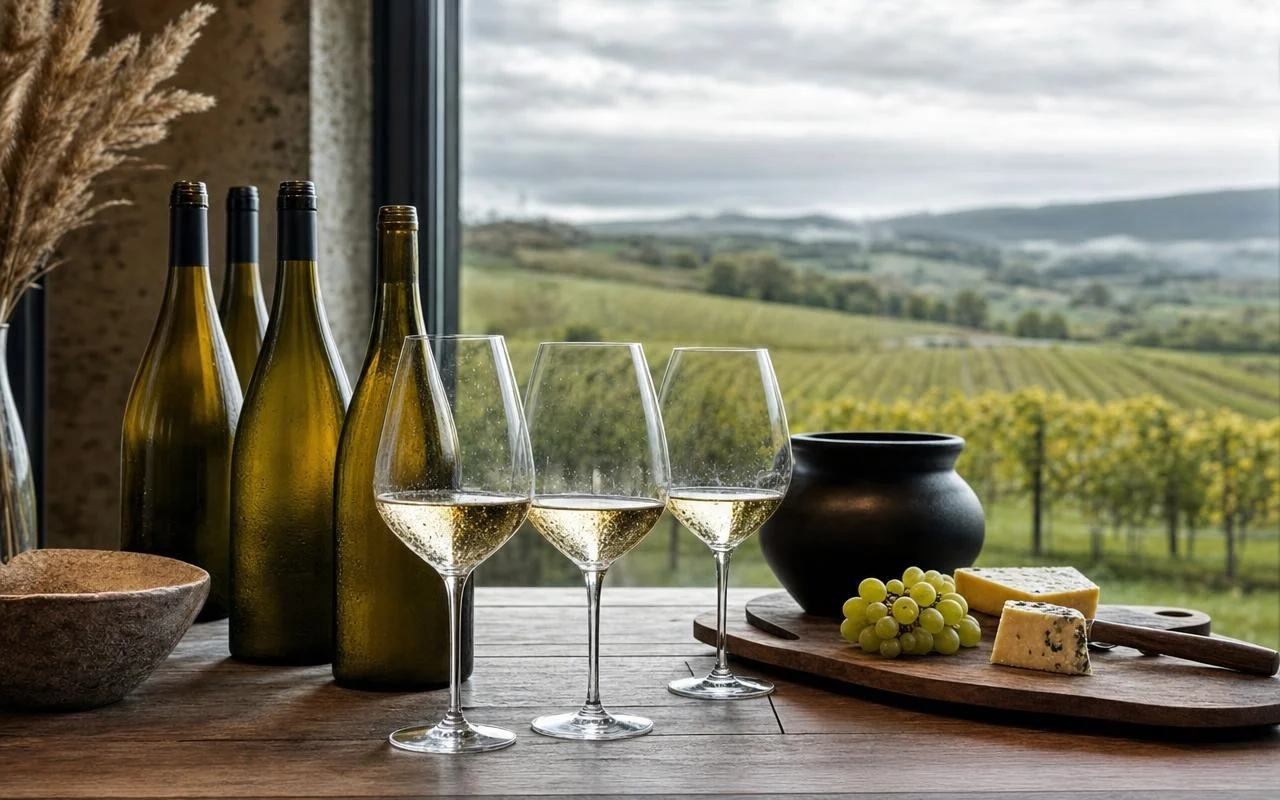
In the glasses, Hauts-de-France wines focus on freshness. Winegrowers favor grape varieties with late bud burst and early maturity, with a predominance of Chardonnay for still or sparkling whites. They describe straight, mineral wines, with substance and length on the palate, far from the light image sometimes associated with emerging vineyards.
A Hauts-de-France vineyard between rediscovered memory and new vintages
This recent history reconnects with a forgotten past. Texts already mention vineyards in the 10th century around Fresnicourt-le-Dolmen, in Arras or as far away as Flanders. The medieval vineyard died out under the combined effect of phylloxera, major frost episodes and industrialization, which diverted the region towards beer and spirits.
Since the relaxation of the Vins de France framework in 2016 and then the opening of planting rights in 2017, the rows of vines have nevertheless returned to the hillsides, from the North to Aisne. Collective brands like “Les Ch’tis vignerons” sell vintages between $9 and $19 per bottle. After a 2025 vintage considered very successful despite the drought, Laurianne Carbonnaux remains certain when approaching the next harvest:
Are Hauts-de-France wines recognized?
Yes, via their federation and sommeliers like Dominique Laporte.
What type of wines does the region produce?
Mainly fresh, still or sparkling whites based on Chardonnay.
Where to taste these Hauts-de-France wines?
In some starred restaurants in the region and in wine merchants.
