
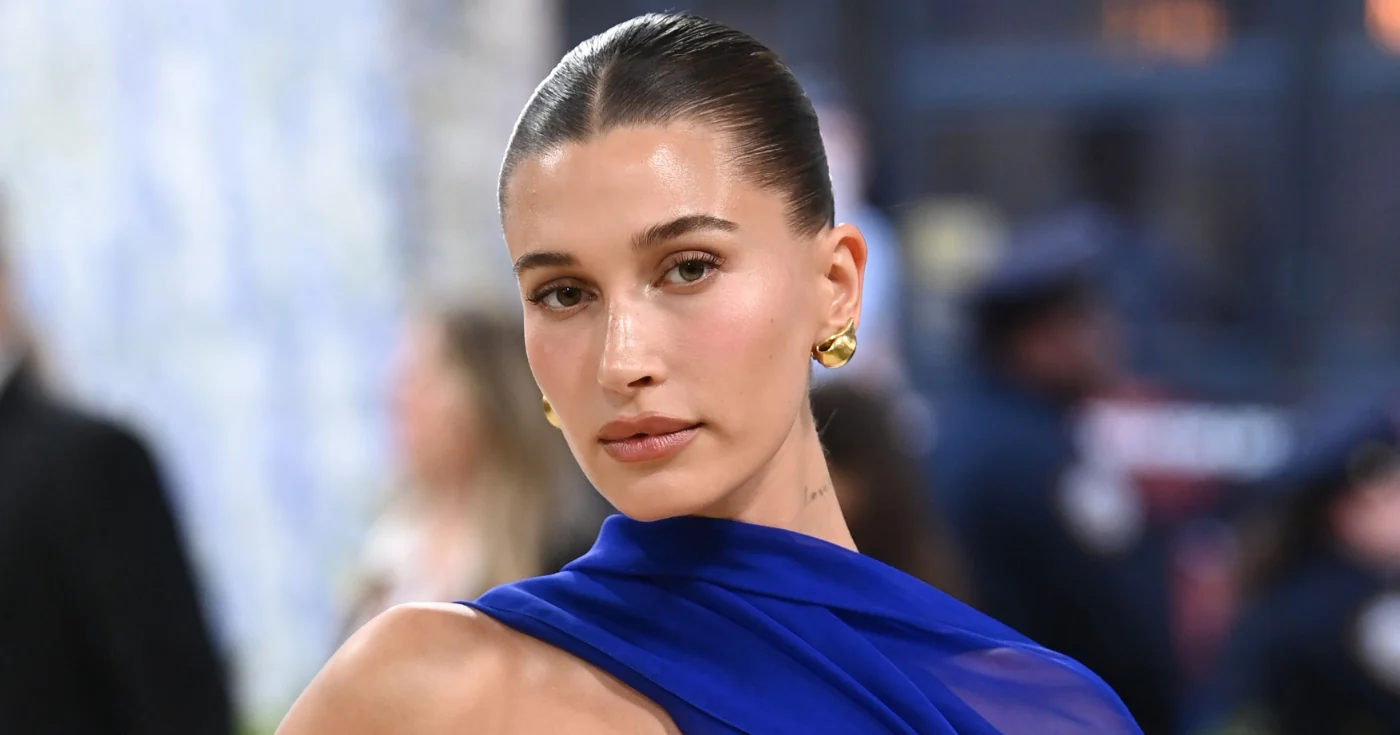
Hair perfectly pulled back, temples exposed and the face as if lifted upwards: the , or slicked bun, has become a must-have in beauty looks spotted on TikTok and Instagram. In its most spectacular version, it takes up the codes of the famous , a hairstyle which consists of strongly pulling two strands at the temples to create an immediate lifting effect. An attractive tip, especially for those who want to accentuate their eyes without resorting to aesthetic medicine.
But this very tight hairstyle is not without consequences. When repeated and maintained for long hours, the tension placed on the roots can weaken hair follicles and lead to a form of hair loss called traction alopecia. The phenomenon does not only concern flat buns: high ponytails, very tight braids and extensions can also be to blame. And if the first signs are sometimes reversible, the damage can become permanent when the follicles are destroyed.
The flat bun, this lifting effect hairstyle that puts tension on the hair
Its success is based on a simple aesthetic promise: by pulling the hair back, we clear the face, emphasize the cheekbones and give the impression that the eyebrows and eyes are rising. The takes this illusion even further by using the tension exerted on the temples to visually reproduce certain effects of a blepharoplasty, a cosmetic eyelid surgery procedure. On social networks, these hairstyles are often presented as an express alternative to injections or cosmetic procedures.
The problem is not with the bun itself, but with how hard the hair is pulled and how often this tension is repeated. To achieve a perfectly smooth result, some use very tight brushes, fixing gels and elastics that hold the hair firmly in place. Others keep their hairstyle on all day, or even go to sleep with it. However, prolonged or repeated traction can exert mechanical pressure on hair follicles, these small structures located in the scalp from which hair grows.
Traction alopecia: when a hairstyle ends up causing hair loss
This phenomenon has a medical name: traction alopecia. This is hair loss caused by excessive and repeated tension on the roots. It is particularly associated with tight braids, extensions, high ponytails and very flat buns. It can affect different populations and all hair types, although certain hair practices expose people to greater risk. The areas most frequently affected are the temples and the contour of the forehead, where the tension is often the greatest.
At the beginning, the follicles are not necessarily destroyed: they undergo repeated aggression which can lead to inflammation, weakening of the fiber and a progressive reduction in hair density. But if the pulls continue for months or years, the damage can get worse. In advanced forms, the follicles are replaced by scar tissue and are no longer able to produce new hair. The fall becomes permanent. It is precisely this risk that makes this trend less harmless than it seems.
Pain, small pimples, bald temples: the signs that should alert you
The first signal is sometimes very simple: a hairstyle that hurts. A feeling of tightness, scalp tenderness, tingling or even headaches after tying your hair can indicate that the tension is excessive. Redness, itching, small irritations or spots around the follicles may also appear. These manifestations should not be considered the normal price to pay for a perfectly flat bun.
Over time, other signs may become visible: broken hair near the forehead line, density that decreases at the temples or an implantation that seems to gradually recede. Some people also notice thinner, shorter hairs around the forehead. These symptoms alone are not enough to establish a diagnosis, because several forms of hair loss can look similar. On the other hand, their appearance after a period of very tight hairstyles should prompt you to consult a dermatologist.
Can you permanently lose your hair because of a bun that’s too tight?
Fortunately, traction alopecia is not systematically irreversible. When spotted early, before follicles are permanently damaged, regrowth may be possible after stopping the responsible hairstyles. This is why it is important not to wait until the temples are visibly bald to change your habits. The sooner the pulling stops, the better the chances of limiting the damage.
On the other hand, when the tension is maintained for a long time and the follicles have been destroyed, hair loss can become permanent. A dermatologist can examine the scalp, including using a dermatoscope, to look for characteristic signs and determine the stage of alopecia. Depending on the situation, medical treatment may be offered. But no serum or shampoo alone can regrow hair when follicles have been replaced by scar tissue.
How to continue to wear flat hair without damaging your roots?
No need to permanently ban buns or give up all pulled back hairstyles. The most important thing is to limit the tension exerted on the roots. We favor a more flexible attachment, we avoid pulling excessively on the temples and we vary the hairstyles rather than reproducing the same gesture daily. A soft elastic, which does not compress the hair, can also limit friction and breakage.
Another essential reflex: do not keep a painful hairstyle for hours and avoid sleeping with your hair tied very tightly. If the scalp is tight, it is better to undo the bun immediately rather than trying to hold it until the evening. Finally, in the event of localized loss, thinning of hair on the temples or repeated irritations, dermatological advice is preferable. Because if the flat bun can give the illusion of a lifted face in a few minutes, it certainly does not deserve to sacrifice your frontal line.
FAQ: everything you need to know about traction alopecia
Can a tight ponytail cause hair loss?
Yes. Like slicked back buns, very tight ponytails can put repeated strain on hair follicles and cause traction alopecia. The risk increases when the hairstyle is worn frequently and for long periods of time.
Is traction alopecia reversible?
It can be when diagnosed at an early stage. On the other hand, when follicles have been destroyed and replaced by scar tissue, hair loss can become permanent.
How long can you keep a slicked back bun?
There is no universal duration guaranteeing the absence of risk. It all depends on the tension exerted, the frequency and the sensitivity of the scalp. A hairstyle should never cause pain or tightness.
What are the first symptoms of traction alopecia?
The first signs may be pain, tingling, redness, small pimples around the follicles or broken hair. A reduction in density at the temples and forehead may then appear.
How to regrow hair after traction alopecia?
The first step is to stop hairstyles that put tension on the roots. A dermatologist can then assess the condition of the follicles and offer appropriate treatment. Regrowth depends in particular on the stage at which alopecia is diagnosed.
