
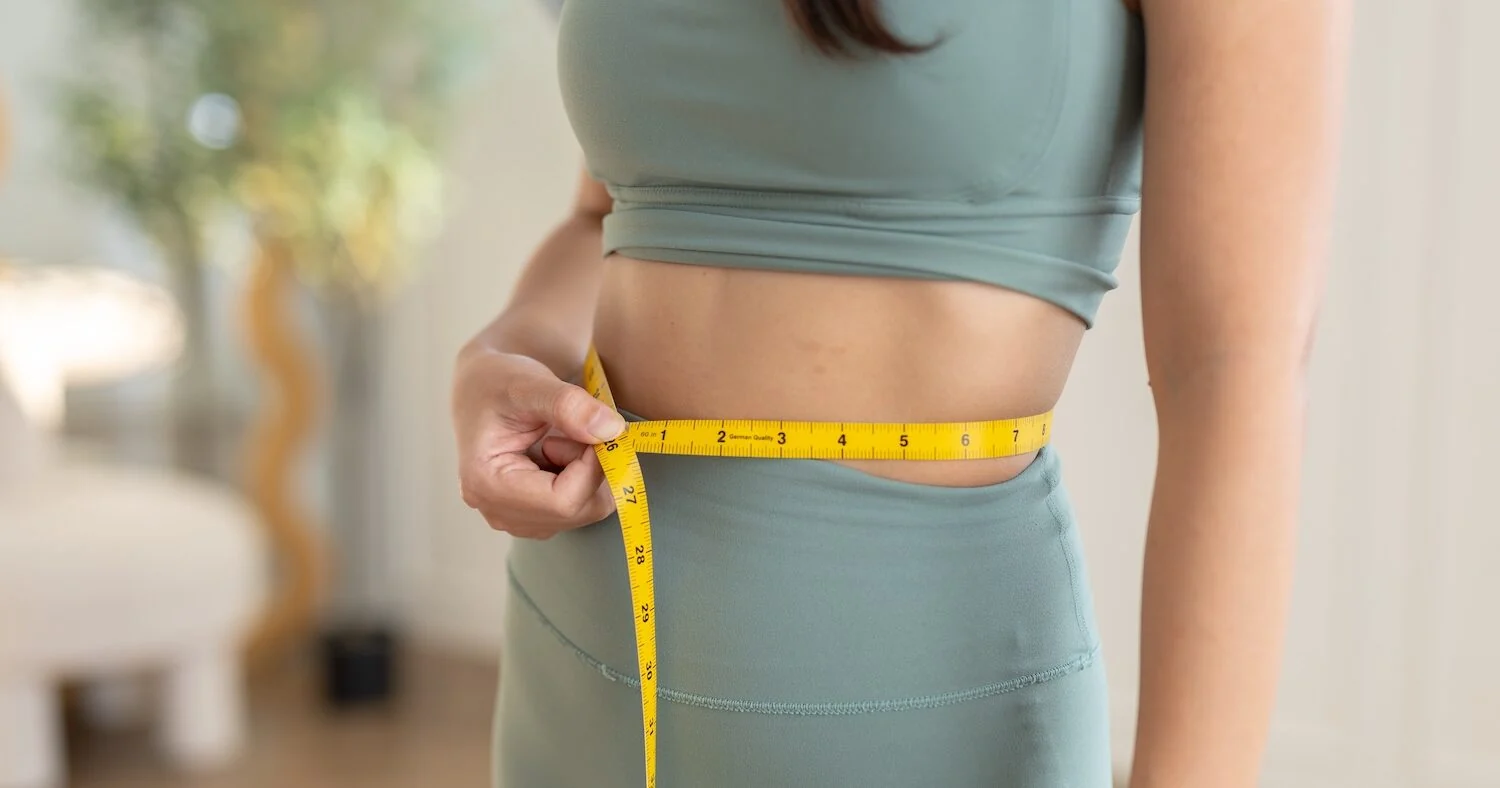
Menopause is a time of significant upheaval for women. This natural phenomenon is accompanied by emotional and physical changes. Among them, weight gain is particularly common.
This weight gain during menopause is sometimes difficult to manage. It does not necessarily result from poor eating habits or a lack of physical activity. This is why it is difficult to prevent or counter it. And this is precisely what actress Mathilde Seigner tried to avoid. To lose the pounds gained during menopause, she adopted a controversial method: the dissociated diet.
Weight gain during menopause: why do the pounds pile on?
During menopause, weight gain is often explained by the drop in estrogen. These hormones modify the distribution of fat by moving it from the hips and thighs to the abdominal area.
Additionally, natural aging leads to a gradual decrease in muscle mass. Result: the metabolism is slowed down and the body’s daily energy needs are reduced. This is why maintaining exactly the same eating habits as before is often enough to create a slight calorie surplus.
Mathilde Seigner: the controversial diet that made her lose 10 kilos at menopause
Like Mathilde Seigner, many women want to return to their pre-menopausal weight. They are then generally tempted to practice diets, which can sometimes be dangerous for their health. In the case of the actress, the latter admitted during an interview with “France Dimanche” that she had managed to lose the 10 kilos she had gained during menopause, in particular thanks to a diet.
“My relationship with food is healthy. When I entered menopause, I had gained around ten kilos, lost thanks to an extraordinary woman, Doctor Kahina Oussedik, at the head of the AminciKA center. She taught me how to dissociate foods. It’s a diet that suits me, but it’s not necessarily valid for everyone. », confides the actress. In reality, this diet is known as the dissociated diet. It is often criticized because if it is poorly executed, it can expose you to the risk of nutritional deficiencies or even a “yoyo” effect.
Mathilde Seigner: the controversial diet that made her lose 10 kilos at menopause
This diet is based on the principle of not mixing certain families of foods during the same meal. For example, proteins and carbohydrates, when eaten separately, can aid digestion and prevent fat storage.
Depending on the variations, this method can also consist of consuming only one category of food per meal. If this approach often allows initial weight loss with an overall reduction in calories ingested, it does not really have a proven scientific basis on the digestive level. It is therefore advisable to consult a professional before implementing this diet.
At what age do you start to gain menopausal weight?
Weight gain can begin as early as perimenopause, sometimes several years before periods finally stop. It varies among women and depends on several factors, including hormonal changes, age, sleep and physical activity.
How to lose belly fat after menopause?
To reduce abdominal fat after menopause, it is advisable to combine a balanced diet with regular physical activity. Brisk walking, swimming and muscle strengthening help to preserve muscle mass and limit a sedentary lifestyle.
What foods should you choose to avoid weight gain during menopause?
It is recommended to favor fruits, vegetables, legumes, whole grains and foods rich in protein. Foods rich in calcium are also important for maintaining bone health. Conversely, it is advisable to limit ultra-processed products, added sugars and alcoholic beverages.
Does lack of sleep promote weight gain during menopause?
Yes, sleep disorders can indirectly promote weight gain. Insufficient sleep can increase cravings and food cravings. During menopause, maintaining a regular sleep schedule and engaging in physical activity can help you get more restful sleep.
How long does it take to lose weight in menopause?
There is no universal time frame for losing weight in menopause. Results depend on each woman’s metabolism, muscle mass, eating habits and physical activity. Gradual weight loss, accompanied by a health professional if necessary, is preferable to restrictive diets which can lead to deficiencies.
