
Between diets without carbohydrates and the fear of “bloating” as soon as you approach a baguette, bread has earned the reputation of the sworn enemy of the figure. Many eliminate it as soon as they want to lose a few pounds, at the cost of a sad breakfast and repeated frustrations. However, recent studies don’t quite tell the same story.
Because the real subject is not the bread itself, but the way we choose it and how we prepare it. By playing on the glycemic index and the structure of starch, nutritionists show that it is possible to eat bread without gaining weight, thanks to a very simple… but terribly effective method.
Why some breads are more fattening than others
When you bite into a piece of toast, carbohydrates are transformed into glucose, which increases blood sugar and insulin, the key storage hormone. Refined white breads, low in fiber, are digested very quickly: they cause spikes in blood sugar, followed by cravings that push you to snack. Nutritionist Donna Peters also recalls that, reports the media.
Conversely, breads made from wholemeal flour provide approximately twice as much fiber as white bread. According to Donna Peters, . These fibers slow the absorption of carbohydrates, prolong satiety and help regulate weight. For her, .
Resistant starch: the simple method to lighten the impact of bread
Recent work highlights a key mechanism: starch retrogradation. When bread, rice or pasta cools after cooking, part of their starch transforms into resistant starch. More difficult to digest, it nourishes the intestinal microbiota, prolongs satiety and smoothes blood sugar levels. According to the , this phenomenon can reduce the glycemic impact by almost 30%. A study published in 2024 in observed that regular intake of resistant starch over several weeks was accompanied by greater weight loss, reduced inflammation and insulin resistance.
Concretely, applying this method on a daily basis remains very simple:
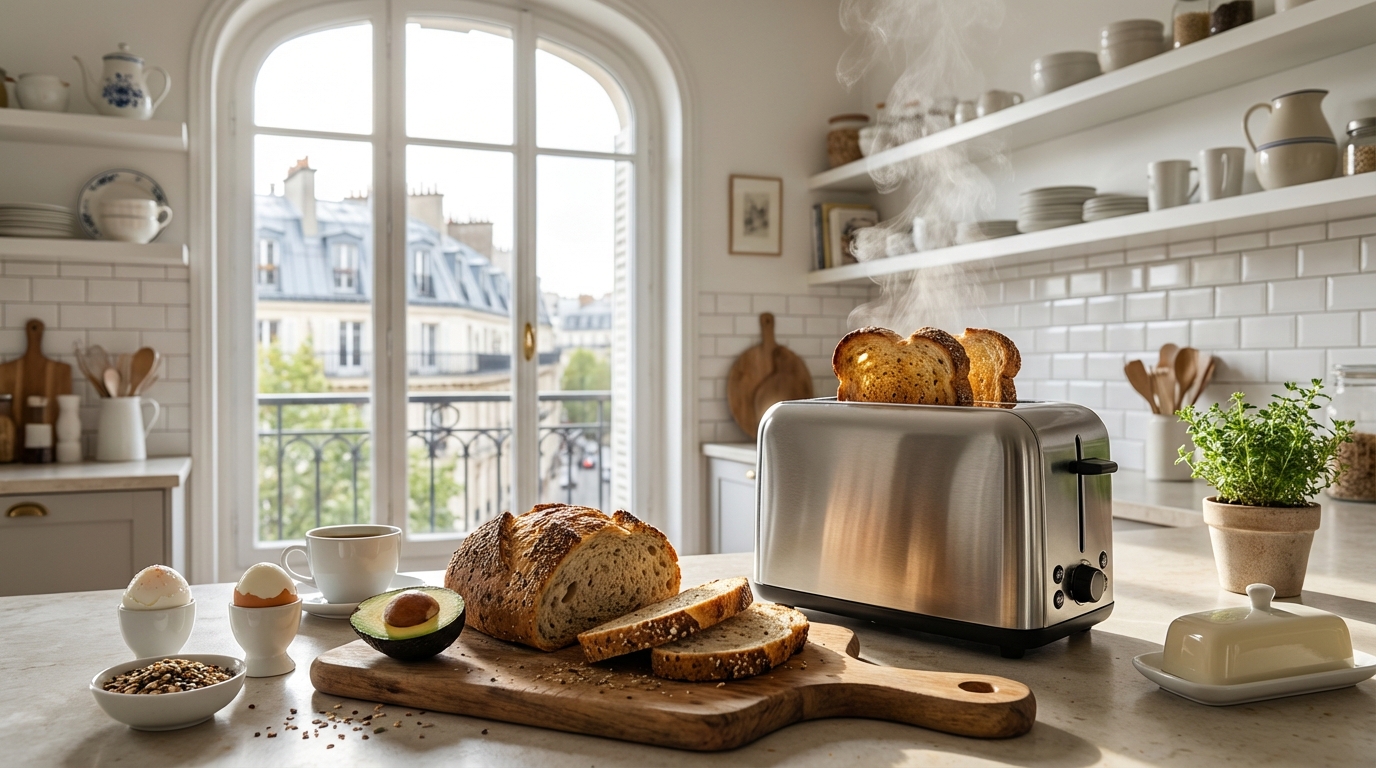
- freeze your sliced bread, then put it in the toaster before eating it;
- cook your starchy foods, then let them cool in the refrigerator before eating them, even reheated;
- prefer these chilled versions when you are prone to cravings or are looking to stabilize your weight.
Which bread to choose to lose weight without depriving yourself
The type of bread matters as much as its preparation. Sourdough bread, especially when it is wholemeal, benefits from natural fermentation. Nutritionist Kayla Daniels explains that. Rye bread, rich in fiber and B vitamins, also helps stabilize blood sugar levels, as do breads with flax seeds or sprouted seeds.
Conversely, industrial white bread should be kept for special occasions. Donna Peters warns that . Ultra-processed breads pose another concern: . To secure your choices, Kayla Daniels advises favoring simple recipes: . Without forgetting a key point for the relationship with bread: avoid demonizing it, so as not to slide into orthorexia where each bite becomes a source of anxiety.
How to eat bread without gaining weight for breakfast?
Choosing wholemeal or sourdough bread, preferably cooled or toasted, and combining it with quality proteins and fats helps limit blood sugar peaks.
What is the best bread for weight loss?
Nutritionists highlight wholemeal, sourdough or rye breads, rich in fiber and minimally processed, ahead of industrial white breads.
Does white bread systematically make you gain weight?
White bread is not prohibited, but eaten often, it promotes blood sugar spikes and rapid hunger, making weight management difficult.
Does freezing bread really change anything?
Yes, freezing then toasting increases the proportion of resistant starch, which reduces the glycemic impact and can help better control appetite.
