
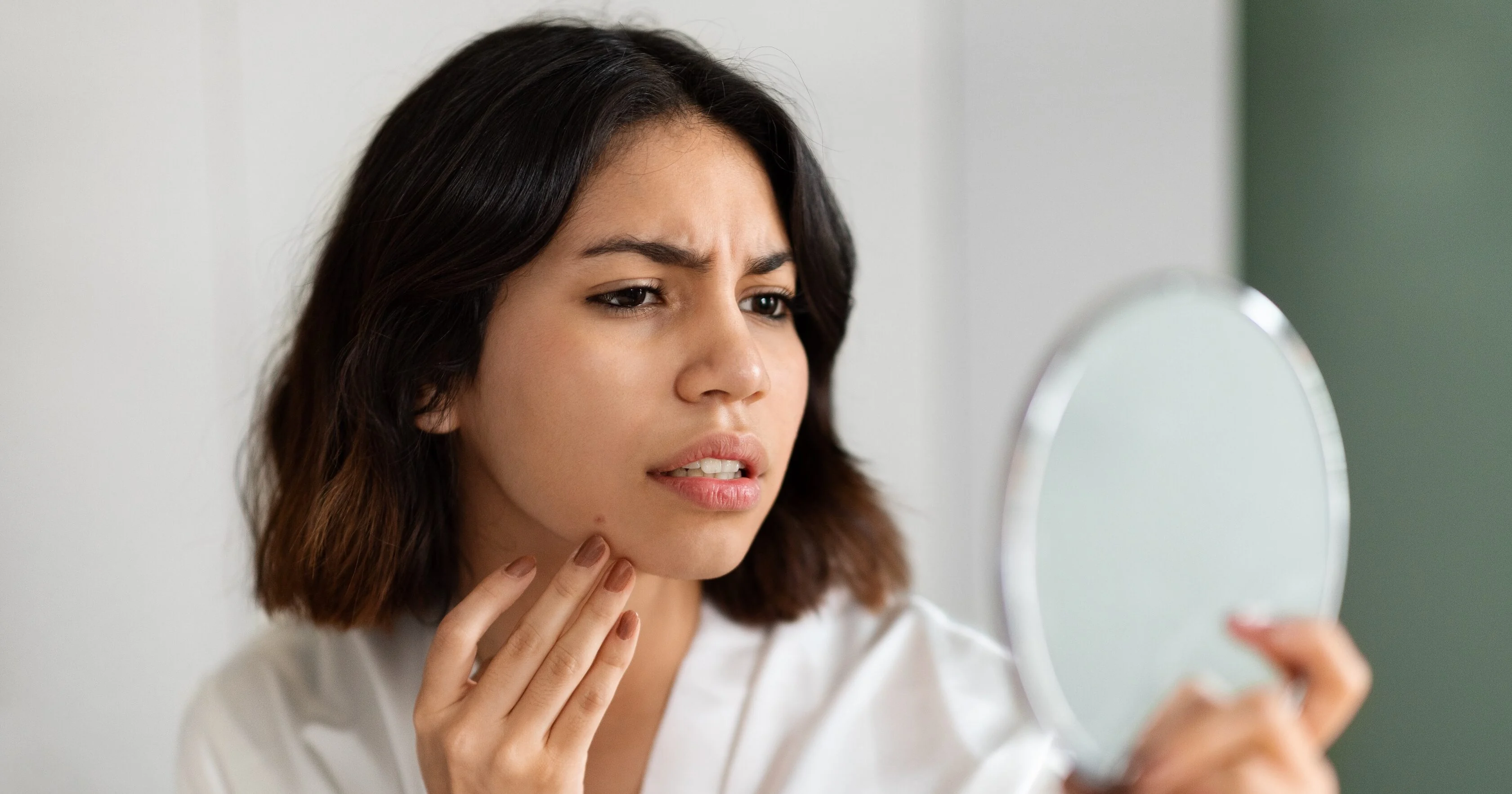
Just like vitamins, cholesterol and hemoglobin, iron is an essential element to monitor to stay healthy. In women, this monitoring is all the more important as iron reserves can fluctuate more quickly than in men. Menstruation, pregnancy… Certain events can deplete the body’s iron reserves and promote iron deficiency.
To check your iron level, a blood test remains essential. But certain symptoms of a lack of iron, particularly on the face, can also alert you.
Why is iron essential for the proper functioning of the body?
Iron is a constituent element of hemoglobin, a protein present in the blood. This is essential for the production of red blood cells, which transport oxygen throughout the body. Iron therefore plays an essential role in many functions. It is notably “the key to optimal function of skeletal and cardiac muscles, but also for hair growth and for the production of brain neurotransmitters,” explains Imo J. Akpan, MD, hematologist, in “Allure”.
But that’s not all. “Iron is fundamental to how our bodies produce energy. » The expert specifies that “when iron stores are low, women often feel it everywhere, from their energy level to their mood to their hair.” An iron deficiency can therefore have repercussions on the entire body. It is particularly in this context that the term “Ferritin Face” appears in French.
“Ferritin Face”: what are the signs of iron deficiency on the face?
Iron deficiency is not always easy to identify. “They often think they are a tired person,” says Dr. Kramer, a hematologist. The most common symptoms of low iron are fatigue, headaches, shortness of breath, dizziness, chest pain, muscle cramps and difficulty concentrating. But an iron deficiency can also manifest itself on the face. And this is where we talk about the “Ferritin Face”.
“Patients who are iron deficient often have pale, sometimes dry, cracked and itchy skin,” explains Dr. Macrene Alexiades, dermatologist, in “Allure.” To this can be added paleness of the face, dark circles under the eyes and a dull complexion. These manifestations can be explained in particular by the reduction in hemoglobin production. The tissues are then less oxygenated, which can give the complexion a paler and less radiant appearance. The skin can also be weakened. Dry skin, itching or even more pronounced dark circles may then appear.
How to properly diagnose iron deficiency?
Although pale skin and dark circles can be clues, “they’re not specific enough on their own to suggest iron deficiency,” says dermatologist Marisa Garshick. This is because “skin pallor is often only noticeable in people with lighter skin tones and is not always obvious or easy to detect, while dark circles can be present for many reasons.” According to the professional, only changes in hair and nails deserve special attention, because they are very often correlated with iron deficiency.
The most prudent thing is to ask your doctor for a blood test to check the quantity of iron in the blood, but also the ferritin level, which allows us to evaluate our body’s iron reserves, as well as serum iron.
What is the difference between iron and ferritin?
Iron is a mineral essential for the proper functioning of the body, particularly for the production of hemoglobin. Ferritin is a protein that stores iron in cells. Its blood dosage therefore makes it possible to assess the body’s iron reserves.
What foods should you choose to stock up on iron?
Some foods are particularly rich in iron. This is particularly the case for red meat, offal, seafood, lentils, chickpeas and dried beans. To improve the absorption of iron of plant origin, it is recommended to combine it with foods rich in vitamin C, such as citrus fruits, kiwi or pepper.
Why are women more prone to iron deficiency?
Women of menstruating age are at higher risk of iron deficiency due to menstrual blood loss. This risk can also increase during pregnancy, when the body’s iron needs are greater to support the development of the baby and placenta.
Can iron deficiency cause hair loss?
Yes. Iron deficiency may be associated with diffuse hair loss. Iron indeed contributes to the proper functioning of cells, particularly those involved in the hair growth cycle. In the event of unusual or persistent hair loss, a medical check-up can help identify a possible deficiency.
Can we take iron supplements without medical advice?
It is not recommended to take iron supplements without having identified a possible deficiency. Excess iron can be harmful to the body. Before any supplementation, it is better to carry out a blood test and seek advice from a healthcare professional.
