
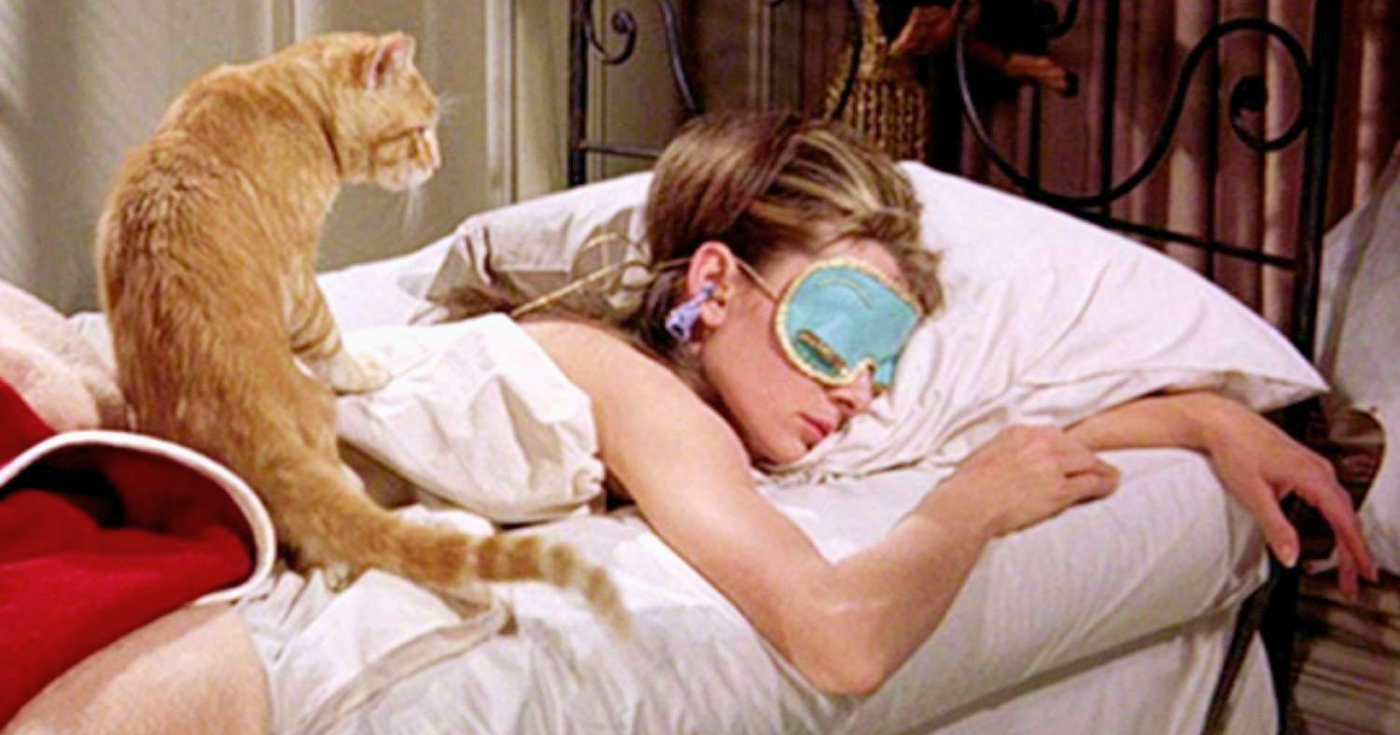
Are you monitoring your wrinkles but less so your short nights? However, research shows that below a certain number of hours of sleep, the skin is no longer able to repair itself. This threshold really exists and it changes things.
While you sleep, the epidermis is active: cell renewal, repair of UV damage, production of collagen and elastin. If this time often shortens, the features become more marked and the anti-aging mechanisms run out of steam.
Sleep and skin: what the night repairs
At the start of the night, the circadian rhythm lowers body temperature. The skin barrier strengthens, transepidermal water loss decreases, cells renew more quickly. This is where collagen, elastin and elasticity are consolidated.
For these cycles to complete, studies place the zone between 7 and 9 hours of sleep. Below about 7 hours, deep sleep shortens. Work published in the , with 4 hours for 6 nights, observed a drop in hydration and elasticity.
Less than 7 hours: the threshold where the skin ages faster
Around 7 hours a critical threshold appears: below, the skin lacks time to regenerate. Experts relayed by estimate that by sleeping less than 6 hours, aging can accelerate by 30%. A KIM study published in , with 4 hours of sleep for 6 nights, measured a drop in elasticity (R2 index) and more wrinkles.
Internally, lack of sleep keeps cortisol levels high, which accelerates the breakdown of collagen and elastin. Pro-inflammatory cytokines such as TNF-α, via the NF-kB pathway, fuel free radicals and oxidative stress. The skin barrier weakens; a Simba Sleep survey of 2,000 people found 20% dryness among 18-24 year olds sleeping less than 7 hours.
How to Stay Above the Good Sleep Threshold
Staying in the green zone, that of 7 to 9 hours most nights, also depends on the quality of sleep. Fragmented sleep or late-night screen time reduces the amount of deep, restorative sleep and strengthens the link between lack of sleep and skin aging.
Experts recommend regular schedules, a cool, dark bedroom, and a break from notifications before bed. And then, testing for two or three weeks a goal of at least 7 hours by observing complexion, dark circles and skin texture often shows the impact of sleep on skin aging.
How many hours for beautiful skin?
Studies set the zone between 7 and 9 o’clock, with a critical threshold around 7 o’clock.
What does the skin risk with 5 or 6 hours?
Frequently sleeping less than 6 hours is associated with approximately 30% faster aging.
Is weekend catch-up enough?
A few lie-ins help a little, but the skin mainly reacts to the regularity of the nights.
