
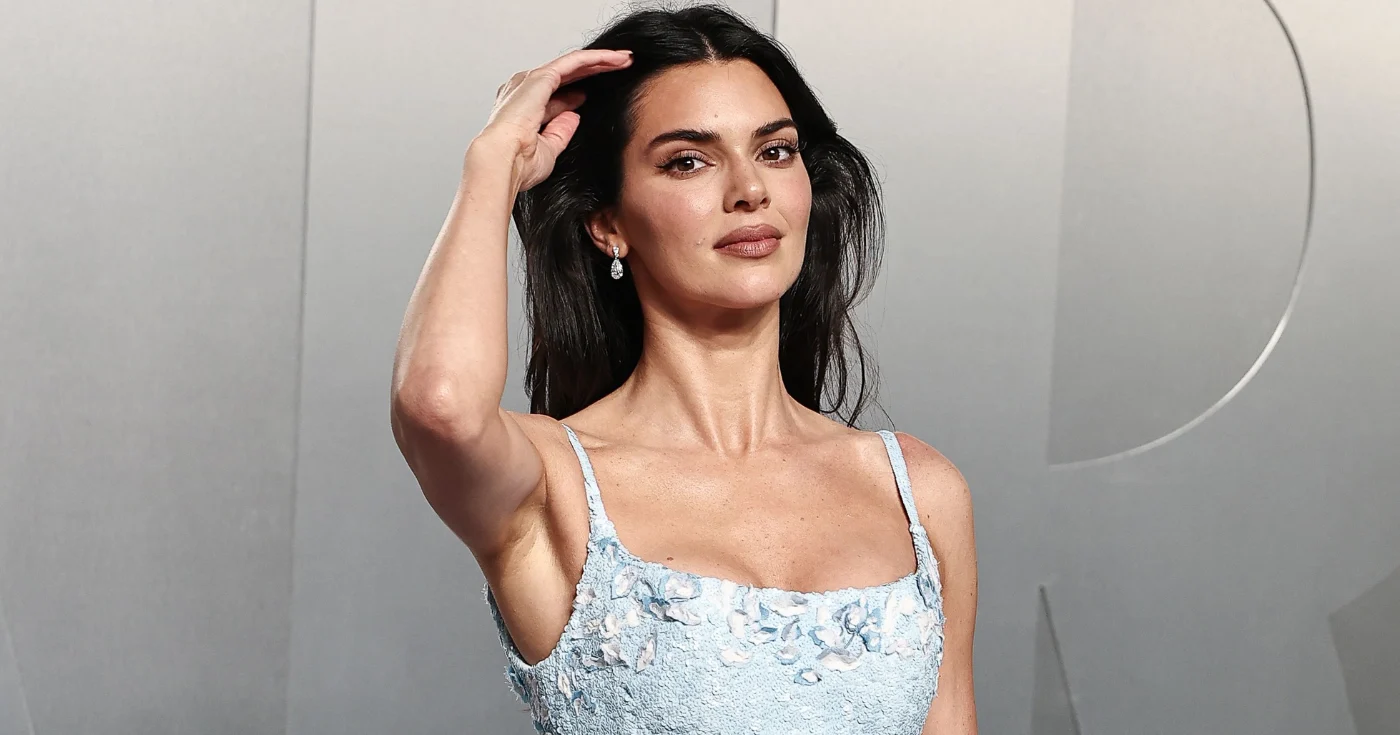
Every year, the Oscars red carpet becomes an album of instant memories. In a few minutes, a dress, a hairstyle or an attitude is engraved in pop culture as much as a golden statuette. Some silhouettes even ended up summarizing, in themselves, an entire decade of Hollywood glamour.
From Grace Kelly to Zendaya, these iconic Oscars red carpet looks tell as much fashion history as cinema history. And there, the question that always comes up: what makes an outfit truly cult, to the point of being copied, diverted and revisited years later?
From the 1950s to 2000, when the Hollywood icon took shape
In the mid-1950s, Grace Kelly in Edith Head and Audrey Hepburn in Givenchy imposed the idea of the modern princess: pale green satin for one, clean lines and almost demure elegance for the other. Luminous complexion, delicate mouth, impeccable buns… this couture dress plus soft beauty combo remains a model for weddings and big evenings.
Then come the first truly daring gestures. In 1969, Barbra Streisand dared to wear a transparent sequinned jumpsuit by Arnold Scaasi. The designer confides to: In the 1980s, Cher and her dramatic Bob Mackie outfits paved the way for the “naked dress”. At the end of 1990, Céline Dion in a Dior suit worn backwards and Björk in a Marjan Pejoski swan dress transformed the red carpet into a field of unapologetic experimentation.
Halle Berry, Marion Cotillard, Jennifer Lawrence, Lupita Nyong’o and Zendaya: the new legend
In 2002, Halle Berry in Elie Saab made a lasting impression with a nude illusion bustier embroidered on a flowing red skirt, all worn for her historic victory. In 2008, Marion Cotillard arrived in an ivory Jean Paul Gaultier “mermaid” dress, covered in sculpted scales: an image immediately ranked among the most beautiful dresses at the Oscars and which permanently established the French touch on the red carpet.
The 2010s are still accelerating. Gwyneth Paltrow, in a white caped Tom Ford dress in 2012, reinvents spectacular minimalism. Jennifer Lawrence in Dior Couture in 2013, with her voluminous dress and her fall on the steps, proves that an “accident” can become an iconic moment. Lupita Nyong’o in sky blue Prada in 2014 then in a Calvin Klein pearl dress in 2015 imposes a new idea of princess, between pastel colors and worked textures. Zendaya finally, in Vivienne Westwood then in Valentino, alternates natural locs, cropped white shirt and fully embroidered skirts, summarizing the era: a mix of controlled relaxation, couture and self-affirmation.
Revisit These Iconic Oscars Looks Today
These silhouettes still inspire our evening outfits. The satin column dress à la Grace Kelly or Angelina Jolie easily translates into a long slip dress, worn with very worked skin, a subtle highlighter and soft lengths. The mermaid spirit of Marion Cotillard or the pearls of Lupita Nyong’o are found in body-hugging dresses, decorated with tone-on-tone sequins, combined with luminous nude makeup.
On the bold side, we draw from Billy Porter and his Christian Siriano tuxedo-dress or from Gabrielle Union in Carolina Herrera and Halle Berry in Christian Siriano in 2025: structured shoulders, architectural volumes, mirror reflections. To adapt them, we rely on only one strong piece (cape, sculptural top, beaded skirt), graphic jewelry and a clear beauty look: uniform complexion, well-defined mouth, controlled hairstyle, from Viola Davis’s short pixie to Angela Bassett’s glamorous waves.
What are the most iconic looks from the Oscars red carpet?
Outfits by Grace Kelly, Cher, Halle Berry, Marion Cotillard, Lupita Nyong’o, Billy Porter and Zendaya appear most often in the selections of cult looks.
Why did Marion Cotillard’s dress at the 2008 Oscars become cult?
Her ivory “mermaid” dress by Jean Paul Gaultier, with sculpted scales and a close-fitting cut, offered a very strong image of French elegance in Hollywood.
How to get inspiration from Oscars looks without going overboard?
We only use a strong code, such as a cape, a beaded bustier or a bright color, and we associate it with sober makeup and hairstyle to avoid the disguise effect.
