
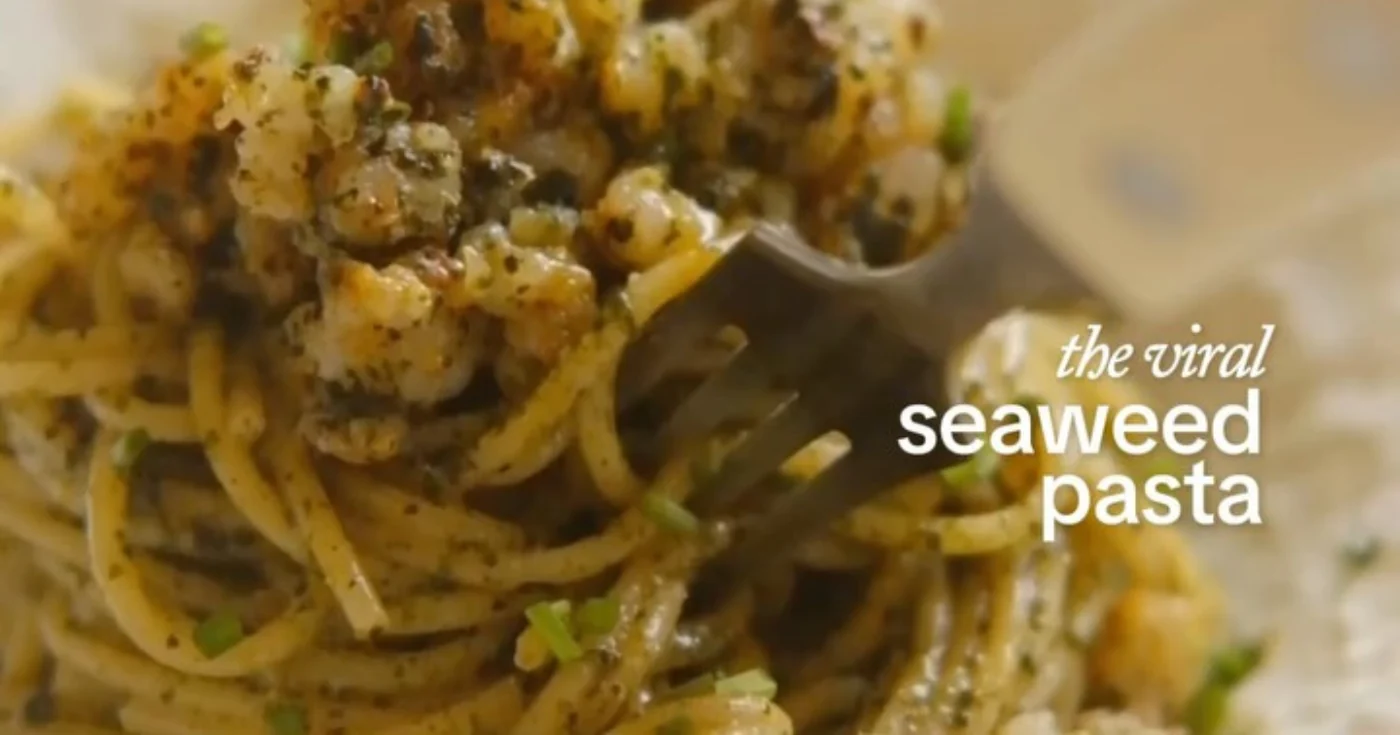
Are you used to preparing your pasta with tomato sauce, pesto or a little crème fraîche? Maybe it’s time to change your habits. An ingredient well known to fans of Japanese cuisine deserves a place in your cupboards: nori, this dried seaweed found around makis and sushi. Its delicately marine taste brings surprising depth to the simplest dishes, without requiring a long list of ingredients.
The idea is particularly interesting for improvising a gourmet dinner with what you already have in the kitchen. Combined with parmesan, garlic and lemon, nori makes a sauce full of character in just a few minutes. No need for special equipment or complicated techniques: just cook the pasta, prepare the sauce and put everything together in a pan. Here’s how to prepare this original recipe in 15 minutes flat.
Why add Japanese seaweed to your pasta?
While nori seaweed is best known for its use in Japanese cuisine, it can also bring an original touch to many everyday recipes. Dried then grilled, they develop iodized and slightly toasted notes which go particularly well with ingredients rich in umami, this deep and savory flavor found in particular in mushrooms, parmesan or soy sauce.
Another advantage: nori sheets are easy to store in a cupboard and require almost no preparation. Simply cut them into small pieces or crumble them to add them to a sauce. Be careful not to add too much from the start: their scent can quickly take over. It’s best to start with a small amount, taste, then adjust according to your preferences.
The recipe for nori, parmesan and lemon pasta ready in 15 minutes
For this recipe, there is no need to multiply the ingredients or spend hours in the kitchen. The parmesan brings a salty and generous flavor, while the lemon balances the sauce with a fresh note. The nori completes the whole with its iodized character. Result: a plate that changes from the usual cream pasta, without requiring a significant budget.
The secret to obtaining a creamy sauce? Pasta cooking water. Rich in starch, it helps bind the different ingredients and obtain a creamy texture without needing to add a lot of cream. For an even more fragrant result, use freshly grated parmesan and add the lemon zest at the last moment.
Ingredients for 2 people
- 200g spaghetti or linguine
- 2 sheets of nori seaweed
- 30 g freshly grated parmesan
- 1 small clove of garlic
- 2 tablespoons of light cream
- 1 tablespoon of olive oil
- 1/2 organic lemon
- 1 small ladle of pasta cooking water
- Black pepper, according to your taste
- A few sesame seeds, optional
Preparation
- Cook the pasta. Place the spaghetti in a pot of boiling salted water and cook according to the package directions. Before draining them, reserve a small ladle of cooking water.
- Prepare the nori. Using scissors, cut the seaweed sheets into small pieces. You can also crumble them between your fingers. Save a pinch for the final presentation.
- Prepare the sauce. In a large skillet, gently brown the finely chopped garlic in the olive oil, without letting it brown. Add the light cream, the zest of half a lemon and two to three tablespoons of cooking water.
- Assemble the ingredients. Add the drained pasta, parmesan and nori. Mix over low heat until the sauce coats the spaghetti well. If it becomes too thick, gradually add a little cooking water.
- Finalize the plate. Season with pepper, add a few drops of lemon juice and sprinkle with the reserved nori. To add a crunchy touch, finish with a few sesame seeds.
The little tip that makes the difference: don’t pour all the lemon juice at once. Taste the sauce first, then adjust the acidity to your preference. The goal is to awaken the flavors, not to mask the delicate taste of the seaweed.
How to personalize this Japanese pasta recipe?
One of the advantages of this preparation is that it is easily adapted depending on what you have in your refrigerator. For a more vegetable version, you can replace the cream with a small quantity of cashew nut puree diluted with cooking water. You will obtain a creamy sauce that goes well with the marine notes of the nori. For a dairy-free recipe, also replace the parmesan with a suitable plant-based alternative.
Do you want to make it a more complete dish? Add some pan-fried mushrooms, edamame or peas. Their flavors go well with the nori and provide more texture. You can also add some shrimp quickly browned in the pan for a version with more pronounced marine accents. On the other hand, avoid combining too many powerful ingredients: the interest of this recipe lies precisely in the balance between the iodized scent of the seaweed, the character of the parmesan and the freshness of the lemon.
Is nori pasta a good alternative to classic recipes?
This recipe especially has the advantage of renewing an everyday dish with an ingredient that is easy to store and use. It requires no special equipment or difficult technique and can be adapted to different diets. Nori provides iodine in particular, a trace element essential for the functioning of the thyroid, but its content varies depending on the products and portions. It is therefore preferable not to consider seaweed as an ingredient to be consumed in large quantities systematically.
On the gourmet side, the result will mainly depend on the dosage of the ingredients and the quality of the sauce. For a lighter dish, you can reduce the quantity of cream and rely on the cooking water to obtain a thick texture. For a more generous version, slightly increase the amount of parmesan. In any case, this recipe is a simple way to explore new flavor combinations without disrupting your cooking habits.
FAQ: everything you need to know about nori seaweed pasta
What does nori seaweed taste like in pasta?
The nori seaweed provides an iodized, slightly marine and sometimes toasted flavor. Combined with parmesan, garlic and lemon, they give a tasty sauce without necessarily dominating the whole, provided you measure the quantities correctly.
Where to buy nori seaweed for cooking?
Nori sheets are generally found in the world kitchen section of supermarkets, in Asian grocery stores and in specialized online stores. Choose plain leaves intended for preparing sushi, rather than already seasoned versions.
Can you make nori pasta without crème fraîche?
Yes. The pasta cooking water, combined with olive oil and parmesan, is enough to obtain a thick sauce. For a vegan version, you can use a vegetable alternative to parmesan and a diluted oilseed puree.
Which pasta to choose for this Japanese seaweed recipe?
Spaghetti and linguine are particularly suitable because their surface allows the sauce to adhere well. Tagliatelle also works very well. The main thing is to keep a little cooking water to adjust the texture.
Is nori seaweed good for your health?
Nori seaweed contains iodine and other micronutrients. Their composition, however, varies depending on their origin and method of preparation. As excess iodine can disrupt the functioning of the thyroid, it is better to vary your diet and avoid consuming large quantities of seaweed repeatedly.
