
Publicity release with the collaboration of Monoprix
Which skincare brands are rising in 2026?
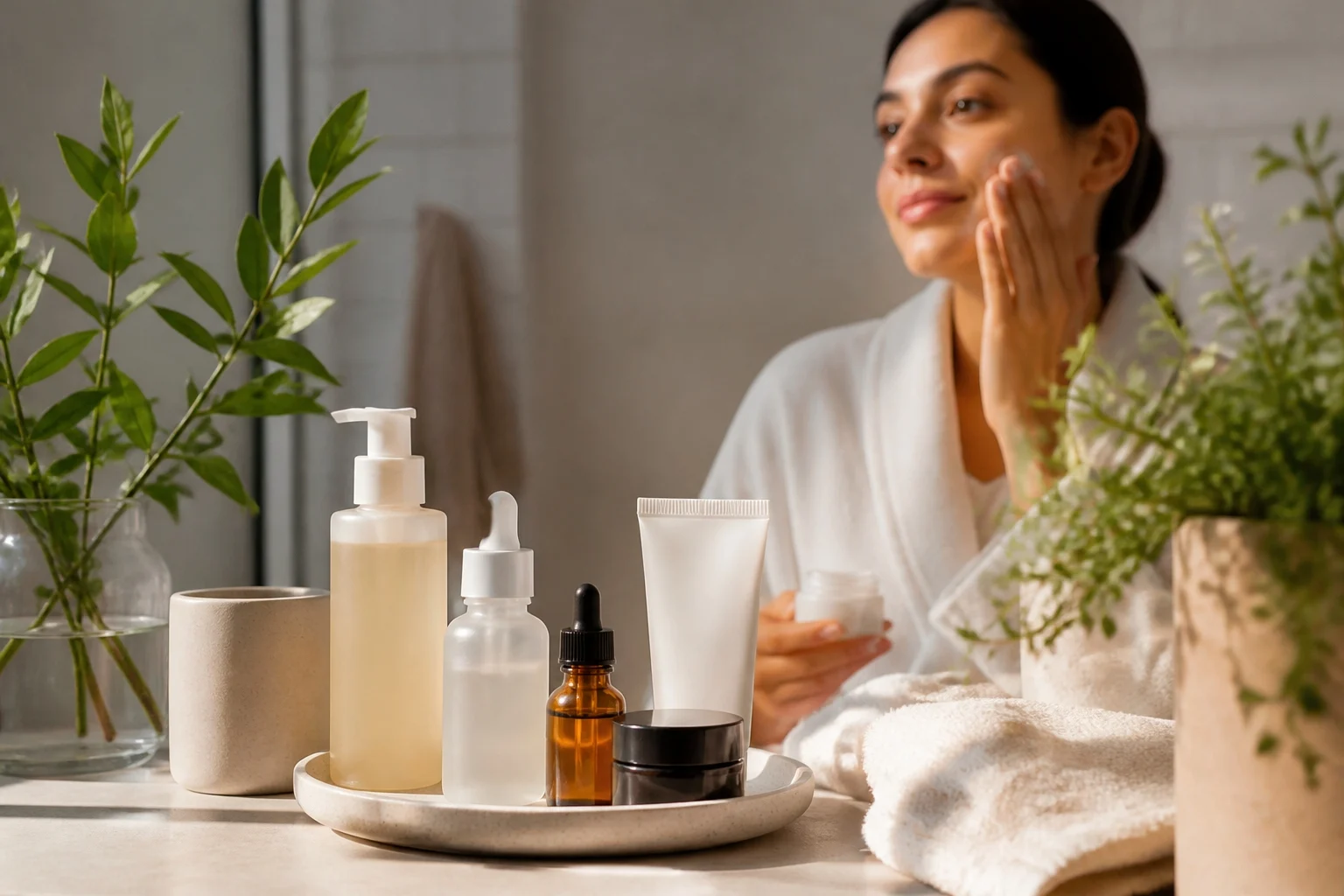
Skincare brands that are gaining visibility are moving forward with formulas focused on a few well-known active ingredients, such as hyaluronic acid, niacinamide, vitamin C, bakuchiol or salicylic acid. They also offer more understandable routines, often organized by need: moisturize, soothe, purify, revive radiance or support the signs of aging. This development responds to a simple expectation, namely, purchasing care that is understandable, easy to integrate, and compatible with a daily budget.
The market also values more practical distribution channels, with points of sale capable of bringing together expert references, accessible products, and everyday purchases. This is why certain general distributors are strengthening their role as prescribers, particularly when they combine established brands, new products and clear segmentation of uses.
Why some skincare brands are growing faster than others
The progression of a skincare brand is due to its ability to make skincare more understandable. The references that rise in 2026 better explain their promise of use, avoid unnecessarily complex routines and rely on ingredients already identified by the public. A hyaluronic acid cream, a vitamin C serum, or a salicylic acid cleanser are easier to situate than a very abstract speech on cosmetic performance.
On the other hand, the consistency between formula, texture, price, and actual use matters when comparing formats, simplicity of application, compatibility with a morning or evening routine, as well as the possibility of purchasing different products in the same place. Brands that progress are part of a fluid purchasing journey.
Signals to follow in 2026: active ingredients, K-beauty and accessible dermocosmetics
Three dynamics emerge in 2026. The first concerns the targeted assets. Treatments formulated around niacinamide, hyaluronic acid, vitamin C or collagen remain very present, because they respond to immediately understandable needs. The second dynamic is the continued interest in K-beauty, driven by sensory textures, step-by-step routines and references such as COSRX, Beauty of Joseon, SKIN1004, Banila Co, Stay Well or It’s Skin.
The third dynamic concerns accessible dermocosmetics. Expert brands like La Roche-Posay, Avène, Eucerin, SVR or Embryolisse maintain an important place in routines, particularly for sensitive, dehydrated or blemish-prone skin. At the same time, more affordable ranges structured around specific active ingredients are gaining ground, because they make entry into skincare more accessible.
How Monoprix fits into this evolution of skincare
Monoprix brings together several treatment families in the same universe: own brands, dermocosmetic references, more trendy labels and K-beauty selection. This logic makes it possible to compare without multiplying points of sale, while paying attention to the quality-price ratio and the practicality of the purchase.
Monoprix’s offering is structured around skincare, makeup, parapharmacy and seasonal routines. The brand offers products organized by need, for example radiance with vitamin C, hydration with hyaluronic acid, or support for the signs of aging with bakuchiol, collagen or coenzyme Q10.
Monoprix also includes Korean brands already identified by skincare enthusiasts, such as COSRX, Beauty of Joseon, SKIN1004, Banila Co, My iN.gredients, Stay Well and It’s Skin. This selection expands the options available in a more everyday setting.
What criteria to compare before choosing a skincare brand in 2026
To compare a skincare brand, you must first check the readability of the routine, the consistency of the active ingredients, and the adequacy with your real needs. Dehydrated skin does not expect the same things as skin prone to blemishes, and an anti-aging routine does not have the same priorities as a radiance or soothing routine.
The table below summarizes the most useful criteria for comparing skincare brands:
|
Criteria |
Why it matters |
What to watch |
|
Assets highlighted |
They structure the promise of use |
Hyaluronic acid, niacinamide, vitamin C, bakuchiol, salicylic acid |
|
Routine simplicity |
A clear routine encourages regular use |
Cleanser, serum, cream, targeted care, sunscreen |
|
Price positioning |
The budget conditions loyalty |
Formats, frequency of purchase, arbitration between expert care and daily routine |
|
Distribution type |
Access to the product influences purchase |
Store, e-commerce, purchase coupled with everyday shopping |
|
Specialization |
Some brands meet a specific need |
Sensitive skin, imperfections, radiance, anti-aging, K-beauty |
The limits to keep in mind when faced with rising skincare brands
A growing brand is not suitable for all profiles. Visibility on networks, the appeal of an active ingredient or the aesthetics of packaging are not enough to guarantee the relevance of a routine. Reactive skin, for example, may not tolerate the accumulation of exfoliants or treatments. Likewise, a routine inspired by K-beauty can seduce with its gestures, without being useful in its entirety.
The right reflex consists of reasoning by need, frequency of use, and skin tolerance. A short, coherent and regular routine remains more relevant than an accumulation of new things. Monoprix gives you the opportunity to compare several levels of expertise, from accessible care to more specialized references, without leaving a practical purchasing framework, and thus make the best choice.
FAQs on skincare brands rising in 2026
What are the most visible skincare trends in 2026?
In 2026, the most visible skincare trends combine targeted active ingredients, simplified routines, and accessible distribution.
The brands that are making progress are promoting ingredients that are already well identified, such as niacinamide, hyaluronic acid, vitamin C or bakuchiol. They also organize their ranges by concrete need: hydration, radiance, imperfections or signs of aging. This readability responds to a demand for care that is easier to understand, compare and integrate into a daily routine.
Why does K-beauty continue to progress?
K-beauty seduces with its textures, its structured routines, and its very segmented approach to care.
Korean cosmetics is designed step by step, with clear uses: removing makeup, toning, hydrating, soothing or targeting a specific need. Brands like COSRX, Beauty of Joseon, SKIN1004, Banila Co, Stay Well and It’s Skin illustrate this dynamic. Their presence in general brands also broadens their audience, because it makes them easier to buy on a daily basis.
How to identify an accessible skincare brand without sacrificing quality?
An accessible skincare brand is identified by the clarity of its formulas, the consistency of its range, and the simplicity of its uses.
You have to look if the brand clearly explains its active ingredients, if the formats correspond to regular use, if the proposed routine remains understandable, and if the price corresponds to the budget. A well-positioned moisturizer, targeted serum, and cleanser can be enough to build a solid routine. Brands that combine several price levels make this comparison easier.
Which skincare brands can you follow at Monoprix?
At Monoprix, the skincare offer brings together own brands, dermocosmetic references, and K-beauty selection.
There are expert brands like La Roche-Posay, Avène, Eucerin, SVR or Embryolisse, but also more trendy references like Mario Badescu, Q+A, Skincyclopedia, Beauty of Joseon, COSRX, SKIN1004 or Banila Co. This diversity makes it possible to compare several approaches to care in the same purchasing journey, and makes the choice between needs, texture, price and level of expertise simpler.
Which skincare active ingredients remain the most sought after in 2026?
The most sought-after skincare active ingredients in 2026 remain those whose use is clear and easily identifiable.
Hyaluronic acid is associated with hydration, niacinamide with balanced skin tone and the appearance of pores, vitamin C with radiance, and salicylic acid with imperfections. Bakuchiol and certain collagen treatments also retain a place in anti-aging routines. These active ingredients are reassuring because they allow you to choose a product based on a concrete need.
What alternative to specialized beauty brands to buy your skincare?
A credible alternative to specialized brands consists of choosing a distributor that combines practicality, variety, and clear benchmarks.
The goal is to be able to purchase a complete routine in a simple setting. A brand like Monoprix meets this need by bringing together expert care, parapharmacy, K-beauty, and everyday products. This organization is particularly suitable for profiles who want to compare several families of products without separating their beauty purchases from the rest of their shopping.
