
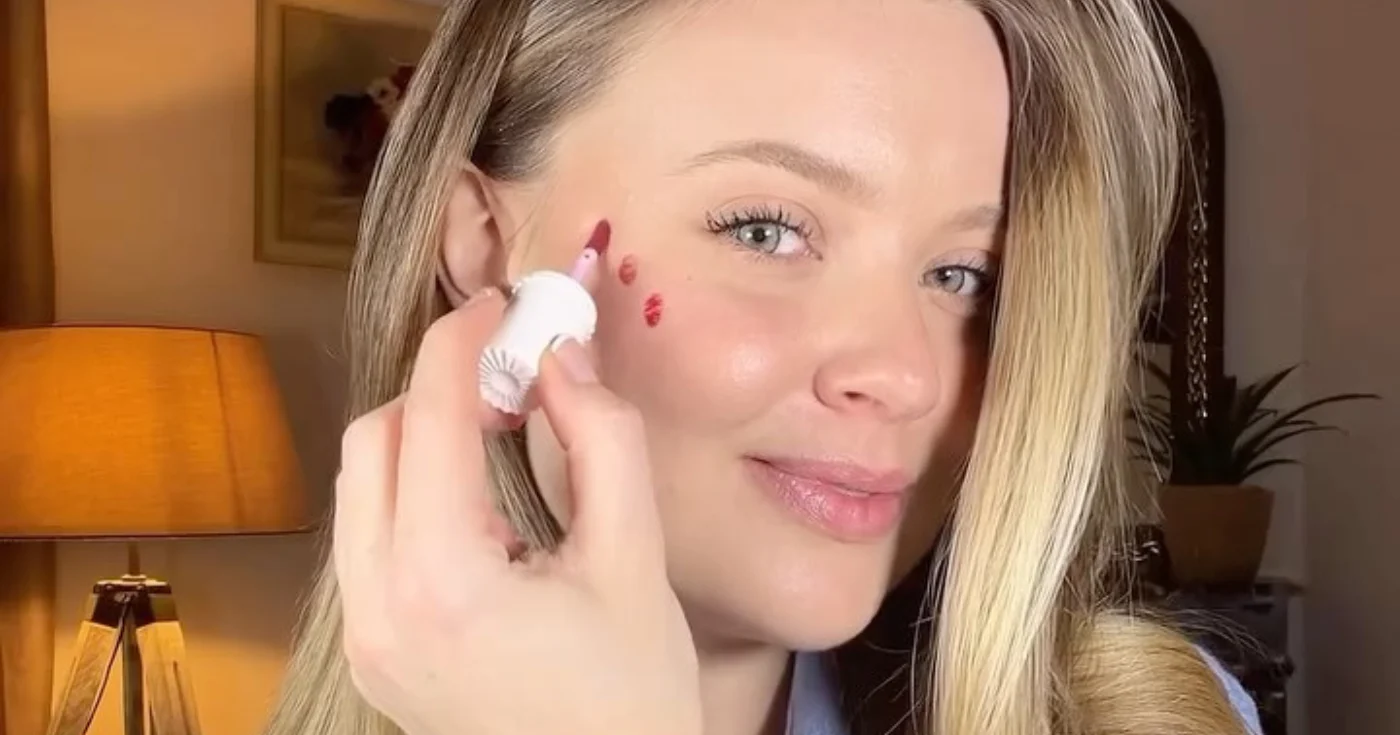
For several weeks, social networks have been full of selfies with bare complexions and delicately apricot-tinted cheeks. From runway makeup to everyday looks, everyone seems to be swapping classic pink and intense bronzer for this fruity shade that instantly warms the face. A simple detail, but a real game-changer.
Fresha’s beauty expert, Annabelle Taurua, sums up the spirit of the times well: explains Annabelle Taurua to the media NewBeauty. According to Fresha data, interest in the term apricot blush has already jumped nearly 50% compared to last year.
Why apricot blush is everywhere this spring
Since 2024, color trend offices have led the way: WGSN elected Apricot Crush color of the year, while Pantone highlighted Peach Fuzz, two peach-apricot tones that immediately inspired makeup brands. MAC Cosmetics even dedicated a complete file to it, with peach cheeks as the hero of the look.
This wave was quickly found in the selections of NewBeauty, IPSY, Allure or Bustle, which all classify apricot cheeks among the major makeup trends for spring 2026. NewBeauty describes this pale peach-orange shade as ideal for “imparting a natural and healthy glow” and giving the impression that the cheeks are “constantly kissed by the sun”. An effect that we also see on Hailey Bieber’s “toasty” looks and on TikTok, where apricot is gradually replacing baby pink.
What a flattering apricot blush looks like on your skin
Concretely, apricot blush is between pink peach and soft coral. On very fair skin, we aim for a pastel, almost beige apricot, applied in a light veil on the top of the cheekbones to avoid the carrot effect. On medium or olive skin, the golden peach and more saturated apricot shades give an immediate boost of freshness. The experts cited by Bustle point out that on dark to dark skin, you need to go for a more intense orange so that the result remains apricot and does not turn gray.
Texture also plays a big role. Satin powders, like Gucci Luminous Matte in Tender Apricot, work well for combination or oily skin and those who like a structured finish. Cream sticks or balms such as MERIT Flush Balm Lusitano blend better with dry or normal skin. NewBeauty finally notes that very hydrating serum blushes, like Laura Geller’s Serum Blush Casual Coral, are popular with those over 40 because they do not mark fine lines.
Apply your apricot blush correctly: key gestures and look ideas
To adopt apricot cheeks without misstep, the golden rule remains micro-quantity, especially with highly pigmented liquid formulas like Soft Pinch by Rare Beauty in Virtue shade: a mini-drop is enough. First tap on the back of the hand, then press with a finger or brush onto the cheekbone. For a “no-makeup makeup” effect, concentrate the color on the curve of the cheek, blended outwards, with a peach gloss on the lips.
Want a more sunny look? Make-up artists who advocate “toasty makeup” apply apricot blush in a light bridge on the bridge of the nose to imitate a return from a weekend in the sun. For a round face, place the blush a little higher and drawn towards the temples to lengthen the features. If you have a cool undertone and are afraid of orange, choose a pink apricot or mix a hint of pink blush on top. Finally, in the evening, a monochrome apricot look – cheeks, satiny peach eyelids and soft coral lips – remains one of the most modern ways to wear this trend.
Is apricot blush suitable for all skin tones?
Yes, provided you adjust the saturation: light and pastel on very light skin, bright apricot or tangerine on matte and dark skin to avoid a dull effect.
What is the difference between apricot blush and peach blush?
Apricot blush leans more towards warm orange, while peach remains more neutral or pink; apricot therefore brings more of a sunny effect.
How to avoid the “orange cheeks” effect with an apricot blush?
Prefer transparent textures, apply very little product and choose a slightly pinkish shade if your skin undertone is cool.
What type of texture should you choose for a natural look?
Serum creams, sticks and blushes give a luminous second-skin finish, while satin powders offer a sharper but still buildable result.
