
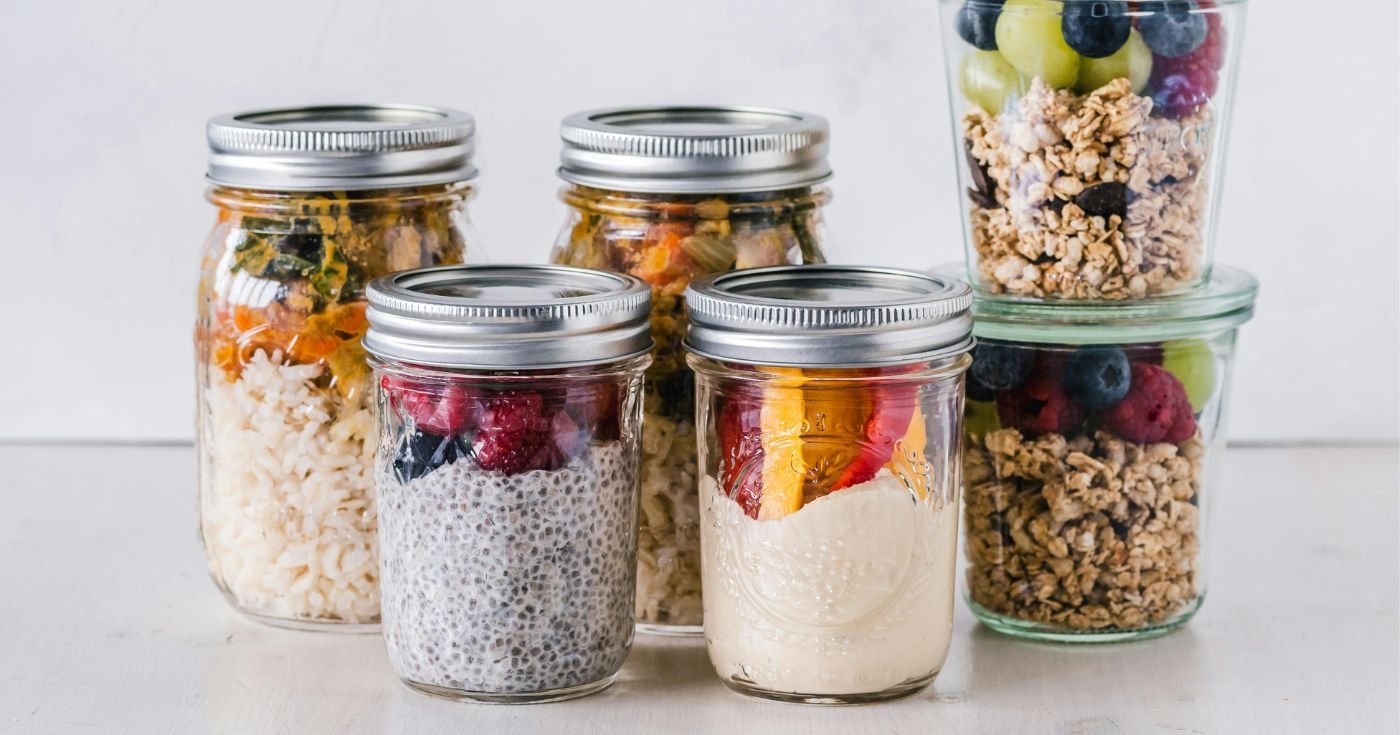
They fill the organic rays, invite themselves into the most balanced plates, and are recommended in many popular diets. These products are everywhere, carried by an impeccable health image. However, their regular consumption can slow down metabolism, promote insulin peaks or disrupt hormonal regulation.
These healthy foods that disrupt weight regulation
The first reflex of many consumers concerned about their line is to replace sugary drinks with fruit juice. Even 100 % pure juice, the latter contains a high concentration of fructose, without the whole fruit fibers. Result: a rapid glycemic peak, followed by a storage effect. The body then transforms excess sugar into triglycerides, especially in the abdominal area.
Another frequent choice, the so -called “” cereals of breakfast. Although richer in fiber than their refined equivalents, they are often ultra-transformed and loaded with hidden sugars. Their glycemic index remains high, which triggers a repeated insulin secretion, deleterious for metabolic sensitivity over the long term.
On the snacks side, granola, whether house or organic, remains a calorie bomb. Composed of a mixture of oatmeal, dried fruits, seeds and often honey or agave syrup, it combines rapid carbohydrates with fat. An ideal combination to stimulate storage, even in small quantities.
Apparently lightened products, heavy with consequences
The most common error lies in the consumption of low -fat products. 0 %yogurts, for example, are often enriched with thickening, sweeteners or starchs, to compensate for the absence of lipids. These additives can disrupt the intestinal flora, and by ricochet, hormous hunger regulation.
The so -called “” vinegrimettes follow the same logic. Lightened in oil, they often contain sugar or modified starch derivatives. Not only do they not satisfy, but they have a diffuse feeling of hunger, pushing to eat more to the next meal.
Even the rice pancakes, the emblem of dietetic snack, are problematic. Their glycemic index is among the highest of all current foods. Consumed alone, they cause a rapid elevation of blood glucose, followed by almost immediate storage, without effect of lasting satiety.
Vegetable or natural options not always metabolically neutral
Another trend in strong progression: protein bars known as “”. Behind their promise of tone, they often contain synthetic sweeteners, glucose syrup or refined oils. Their regular consumption disrupts insulin sensitivity, and does not promote energy expenditure or fat combustion.
Even vigilance on smoothies, including house. Mix several fruits concentrates their sugar, while removing beneficial fibers for transit and glycemic modulation. A breakfast smoothie can cause a hormonal response comparable to that of a soda.
Finally, certain plant alternatives such as meat substitutes based on soy or pea, often popular with flexitarians, contain additives, transformed or texture oils, not very favorable to good metabolic functioning. Behind their promise of naturalness, these ultra-work-work products can induce low-grade inflammation, a recognized factor of abdominal storage.
FAQ – What you do not know about healthy foods
1. Can food be healthy and make you fat?
Yes. A food may contain good nutrients, but also cause fat storage if it imbues blood sugar or satiety signals.
2. Why do I take belly when I eat balanced?
Certain foods perceived as “balanced” act on hormous hormones related to hunger, insulin or stress, promoting storage at the abdominal level.
3. What are the signs that a food slows down metabolism?
Fatigue after meals, frequent cravings, slow digestion, or difficulty losing weight despite a so -called “healthy” diet.
4. Should we banish food processed even organic?
The organic label does not guarantee the absence of additives, hidden sugars or refined oils, which can harm metabolism if consumed regularly.
5. Can we eat healthy without getting fat?
Yes, by favoring raw foods, little transformed, rich in fibers, and remaining attentive to their impact on the feeling of hunger and overall energy.
