
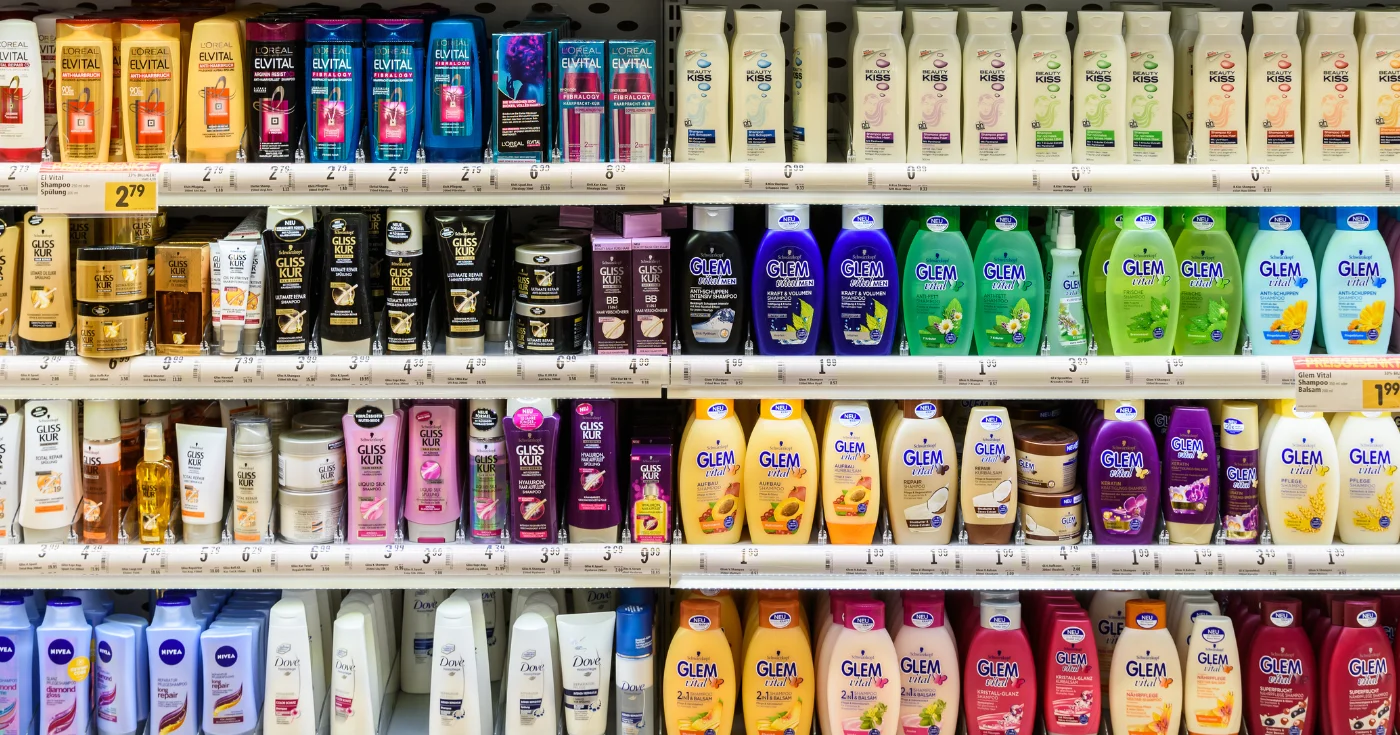
For a long time, we reserved luxury hair bottles for washing evenings, letting supermarket shampoos handle everyday life without really believing in it. Then, between shelves saturated with promises and bank accounts sticking out their tongues, the question finally emerged: what if the best supermarket shampoo was already hiding in our shopping cart? The surprise was bigger than we imagined.
By comparing formulas, sensations in the shower and results over several weeks, certain supermarket shampoos have risen to the level – or even above – of much more expensive salon references. Nothing magical: well-chosen surfactants, active care ingredients inspired by skin care, sometimes compositions with more than 80% ingredients of natural origin. And that’s when we began, very concretely, to store our luxury bottles at the very back of the shelf.
Why these supermarket shampoos compete with luxury
What makes the difference is not the logo, but the balance between cleaning and care. A liquid shampoo can contain a classic surfactant like Sodium Laureth Sulfate, softened by gentler agents such as Cocamidopropyl Betaine, and compensate with a real care base: hyaluronic acid, aloe extract, oat proteins, honey or rosemary infusion. This type of combo, which we mainly associated with pharmacy formulas, can now be found in the supermarket shampoo aisle.
Another key point often ignored: distinguishing dry hair from dehydrated hair. The first lack fatty substances and mainly require vegetable oils or ceramides. The latter lack water and respond better to moisturizing active ingredients such as hyaluronic acid, aloe or glycerin. When a supermarket shampoo aligns these ingredients in its first third of the INCI list, it is clearly starting to play in the premium care league.
How to recognize the best supermarket shampoo in the supermarket aisle
Faced with the shelf, the idea is not to spend twenty minutes there, but to have three quick reflexes on the label:
- Look at the first surfactant after water: SLES for a tough wash, Coco-Glucoside or Cocamidopropyl Betaine for something gentler.
- Locate one or two useful active ingredients (aloe, honey, vegetable proteins, oils) high in the list.
- See if the silicones are absent or relegated lower, especially if the hair becomes heavy quickly.
And then there is the format. Liquid shampoo remains the most common and practical to dose. Solid shampoo generally lasts longer, does not require plastic packaging and often uses more natural ingredients. The compact shampoo bars become ideal travel allies. These three formats can now be found directly in supermarkets, including solids like DOP with sweet almond, formulated without sulfate, silicone or soap.
These supermarket shampoos that we prefer to our luxury bottles
On colored hair or hair with extensions, ranges like L’Oréal Paris EverPure have clearly changed the situation. A New York hairdresser has made it a pillar of her kit for her sulfate-free, color-friendly formulas, supported by rosemary. And a customer review sums up the benefits of this type of sulfate-free shampoo: explains a customer review relayed by Elle.com.
On dry or dehydrated hair, the good surprises come from large-area moisturizing shampoos enriched with aloe, glycerin, honey or hyaluronic acid, which leave the fiber soft, light and shiny while spacing out washes. Sensitive scalps also find formulas with gentle surfactants and more discreet fragrances. And here again, consumer tests have shown that certain shampoos costing less than $5 in supermarkets can get better marks than much more expensive products, provided you tick the right boxes on the label.
What is the best large surface shampoo for dry hair?
It depends above all on your needs: nutrition with oils and ceramides for really dry hair, or hydration with aloe, glycerin and hyaluronic acid for dehydrated hair. Read the beginning of the INCI list to decide.
Is a large-area sulfate-free shampoo as good as a salon shampoo?
Yes, certain sulfate-free ranges such as those with rosemary for colored hair offer softness and color protection comparable to professional products, while remaining accessible in supermarkets.
Are supermarket shampoo bars better for hair?
They last longer and reduce packaging, often with more ingredients of natural origin. Their softness depends above all on the surfactants chosen, not just on the fact that they are solid.
