
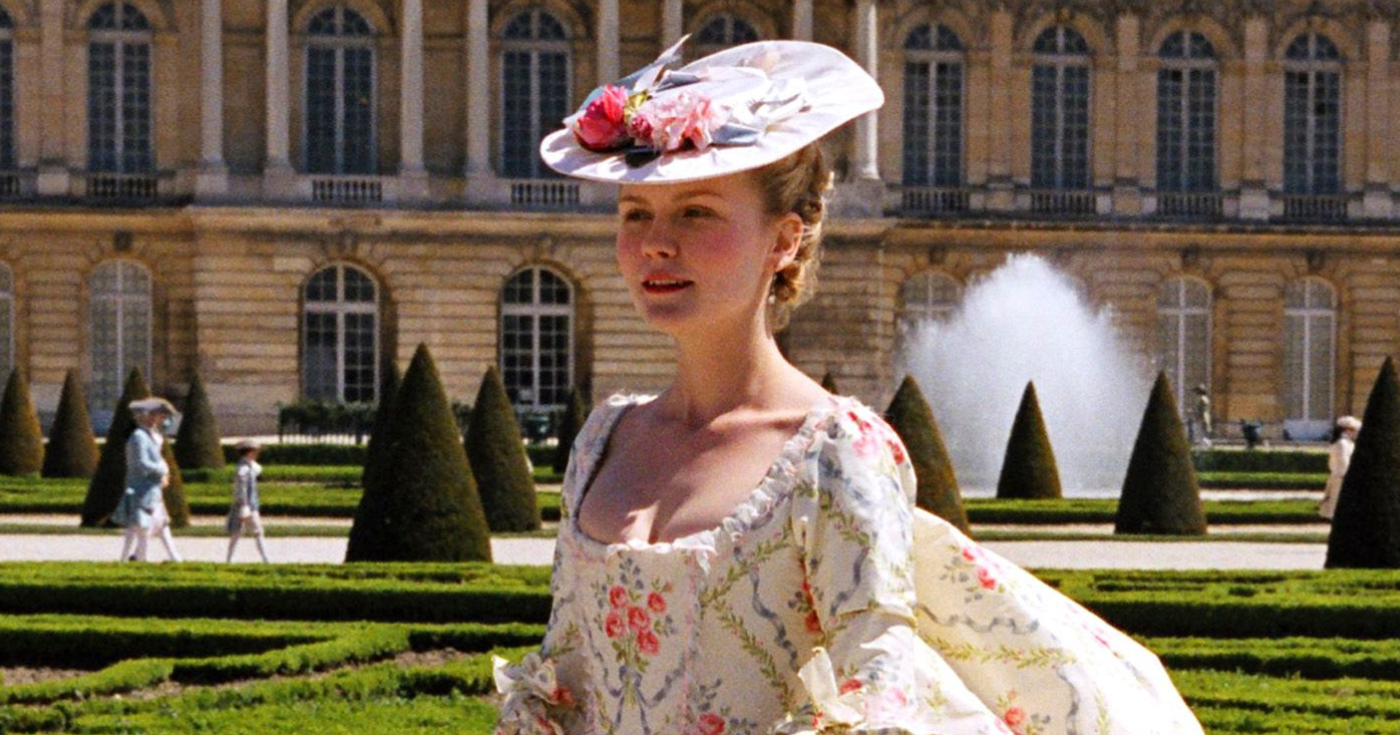
It is said that, on the night before her guillotine on October 16, 1793, the hair of Marie-Antoinette, 38, turned completely white. The image is so strong that it gave its name to Marie Antoinette syndrome, associated with hair that turns white overnight. A vision that always fascinates.
Other tragic destinies would have experienced the same hair metamorphosis, from Thomas More to the future Henry IV, via literature and religious texts. Walter Scott writes for example, recalls the Afis site. So, myth or very real mechanism?
Marie Antoinette syndrome: what historical accounts say
The most often cited testimony comes from Henriette Campan, lady-in-waiting to the queen. , she will say, according to WhyDoctor. .
In other accounts, the brutal whitewashing concerns Thomas More, executed in 1535, or the mustache of the future Henry IV. Shakespeare even puts the phrase , Afis recalls, into Falstaff’s mouth. Over the centuries, these stories have nourished the notion of sudden canities, this supposed dazzling whitening.
What Science Knows About Sudden Hair Whitening
Biologically, hair is pigmented by melanin, produced in the hair follicle. Once the fiber is formed, its color no longer changes. , underlines Desmond Tobin, cited by FaitDocteur. The idea of a black hair suddenly turning white does not fit with what we know about hair biology.
On the other hand, stress can accelerate whitening in the long term. A study published in the journal showed, in mice, that acute stress led to the release of norepinephrine and the loss of melanocyte stem cells, until the hairs turned permanently white. And this transformation also has a social dimension: observe neuroscientists Shayla Clark and Christopher Deppman.
Stress, alopecia areata and Marie-Antoinette syndrome today
To explain apparently instantaneous whitening, several dermatologists mainly cite alopecia areata, or alopecia areata, an autoimmune disease that can be triggered by shock. , explains dermatologist David Orentreich, cited by FaitDocteur. .
In real life, what we call “Marie Antoinette syndrome” corresponds more to a cluster of situations:
- a selective alopecia areata which mainly causes pigmented hair to fall out of already salt-and-pepper hair;
- the sudden cessation of a dye, as in prison, revealing already gray hair;
- romanticized memories that compress several months into “one night”.
Articles from have also suggested that several historical cases were undoubtedly more a matter of legend than of strict clinical observation, where some dermatologists today speak of “Marie-Antoinette type alopecia areata”.
Marie Antoinette Syndrome FAQ
Does Marie Antoinette syndrome really exist in medicine?
The term is used mainly pictorially to designate cases of sudden canities or selective alopecia areata, but complete whitening overnight is not documented as an autonomous biological phenomenon.
My hair turned white very quickly after a shock: is it this syndrome?
An acceleration of graying or a localized loss can follow intense stress, but only an examination by a dermatologist can distinguish alopecia areata, age-related canities or other cause.
Can stress turn hair white overnight?
Stress can promote pigment loss over time or trigger alopecia areata, but hair that has already grown out does not change color instantly.
