
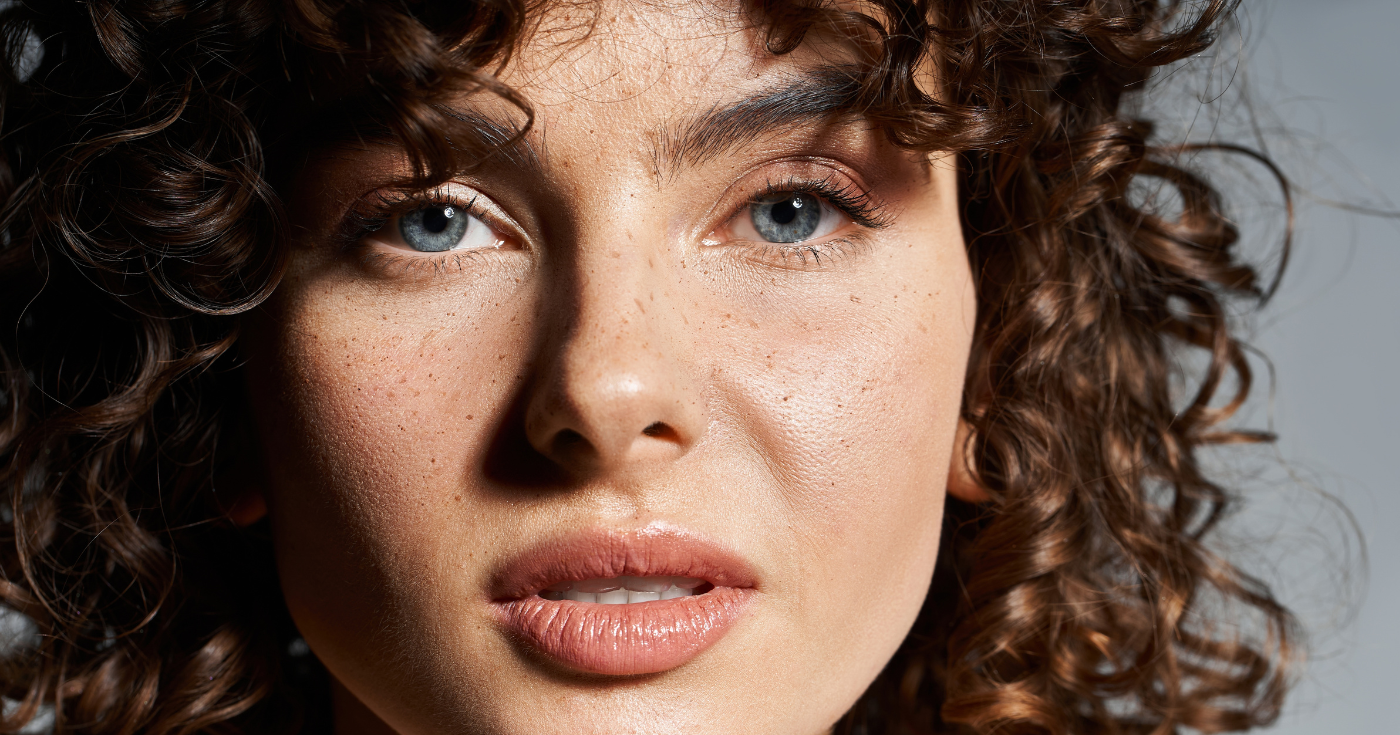
Chronic stress that damages the skin
Living in a toxic atmosphere – where stress, manipulation or tension increases reigns – maintains high cortisol levels. This hormonal excess weakens skin defenses, generates inflammation and weakens the protective barrier of the skin. Result: redness, discomfort, ternis dyed, unforeseen eruptions and increased sensitivity.
Internal tensions lead to hyperactivation of the nervous system, sometimes visible by early wrinkles or drawn features. Chronic inflammation linked to stress can exacerbate acne, eczema, rosacea, or cause tired and devitalized skin – even if the care routine remains unchanged.
Emotional probiotics: tracks to act
-
Prioritizing relational health: getting out of a toxic climate is the first anti-stress gesture.
-
Adapted care: favor soothing, anti-inflammatory products, and repair the skin barrier.
-
Global well-being: meditation, regular sleep, balanced diet, psychological support-essential to calm cortisol and soothe the skin.
-
Dermato-psychological approach: psychododermatology combines emotional support and targeted care to restore balance to prolonged stress
