
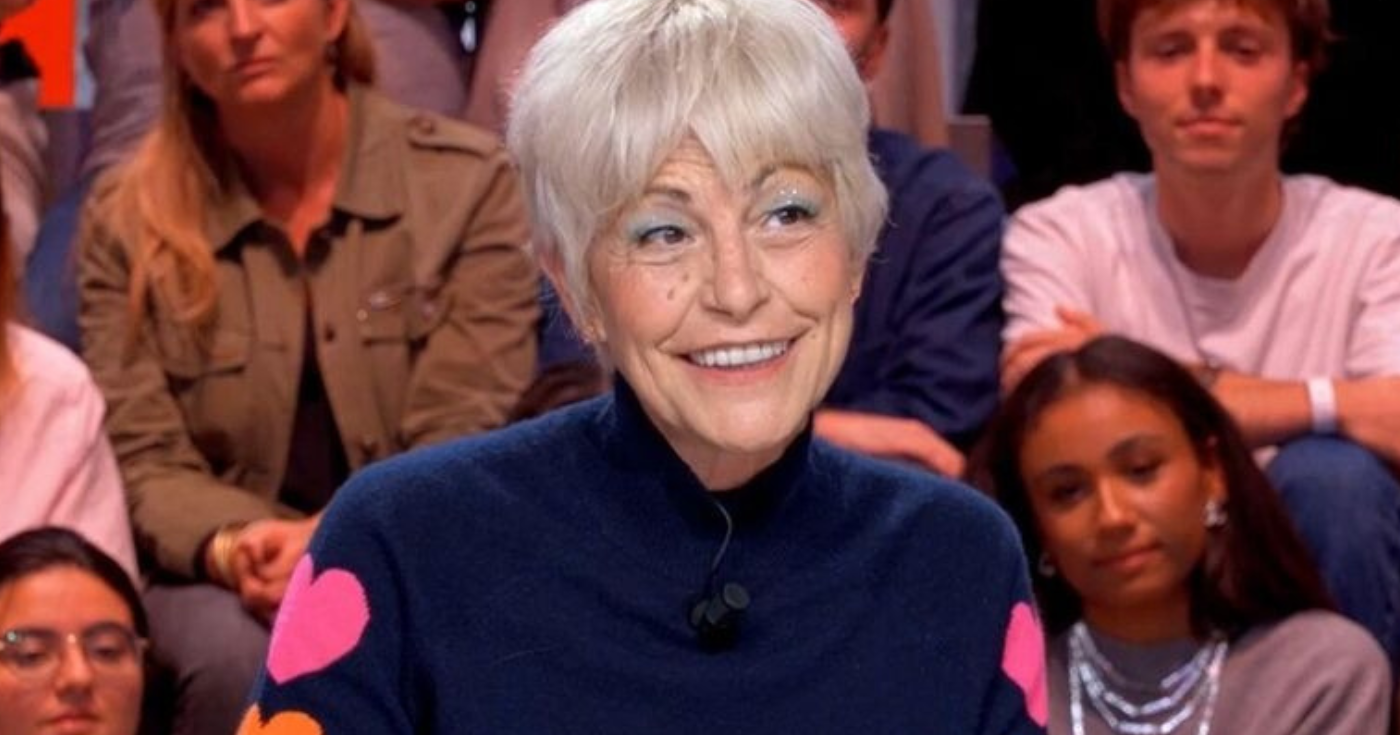
For Lio, hair is never a simple accessory. Childhood curls, shaved head, white hair… each hair transformation tells a story
a chapter in her life and a position in the face of the standards imposed on women. confides the singer to aufeminin.
From a young age, Lio understood that his hair could be a language in its own right. Her natural curls, valued by her mother, nourished her confidence and her pleasure in experimenting with different styles, far from normative injunctions. This hair freedom has become a signature of her personality and her career.
Self-affirmation and freedom
Well beyond beauty, Lio uses his hairstyles as a tool of affirmation and freedom. By later revealing herself with her natural white hair or by shaving her head, she voluntarily broke the codes of femininity dictated by society. she explains.
These radical gestures show that femininity is not fixed. She can be chosen, modulated and reinvented, and sometimes even radical. Lio illustrates that hair can become a political act, capable of challenging norms and claiming the freedom to be oneself.
Transmission and intimate power
Lio’s relationship with hair is anchored since childhood, in an intimate relationship with his mother. she remembers. These words, which seem innocuous, nourished his self-confidence and prepared her to ignore social injunctions throughout her life.
These memories illustrate how beauty can be a place of affirmation from a very young age. Hair becomes a protective shield and a vector of personality, a space where we can experiment and reinvent ourselves in complete freedom.
A feminist pop icon before her time
From the beginning, Lio combines seduction and rebellion. With Brunettes don’t count for plumsit stands out as a woman who refuses clichés, while using her image to convey a message of strength and independence. Her style and hair choices embody a subtle but radical feminism, long before the term became part of the mainstream vocabulary.
By mixing bold looks and confident attitudes, Lio shows that beauty can be
a lever of power and a tool of feminist expression. She embodies a generation of women capable of transforming their hair into a symbol of freedom and personal affirmation.
Lesson for all women
Today, Lio reminds us that changing your hairstyle or embracing your natural hair
is never trivial. Whether it’s long hair, a shaved head or gray highlights, every hair choice can embody the freedom and strength to be yourself. , she concludes.
These words are a powerful reminder: beauty is not just about trends or standards. It becomes a conscious act, capable of transforming the way we perceive ourselves and the way we interact with the world.
Why can hair be considered a political act for women?
Hair becomes political when it challenges society’s norms of femininity.
In her interview on aufeminin, singer Lio explains that a shaved head or natural white hair calls into question gendered standards of youth, seduction and conformity.
What does Lio reveal about the link between hairstyle, identity and femininity?
Lio says that femininity does not depend on hair length or color.
She defends a free vision of feminine identity, where long, short, gray or absent hair becomes a personal language and a conscious choice.
Why do women’s white hair still remain stigmatized?
Female white hair remains stigmatized because it is associated with aging and loss of desirability.
Lio reminds us that these judgments are based on old and gendered aesthetic injunctions, while natural gray can embody self-affirmation.
How is Lio a feminist figure in French pop?
Lio is a feminist because she has used her image as a tool of cultural protest since the 1980s.
With titles like , she diverts sexist clichés and imposes an autonomous femininity in French pop.
What is the main beauty lesson taught by Lio today?
Lio’s beauty lesson is that hairstyle can become a space of freedom.
- Embracing your natural hair, including white or curly
- Changing your hairstyle without social justification
- Refuse gendered and ageist aesthetic standards
Hair becomes political when it challenges society’s norms of femininity.
In her interview on aufeminin, singer Lio explains that a shaved head or natural white hair calls into question gendered standards of youth, seduction and conformity.
” } }, { “@type”: “Question”, “name”: “What does Lio reveal about the link between hairstyle, identity and femininity?”, “acceptedAnswer”: { “@type”: “Answer”, “text”: “
Lio says that femininity does not depend on hair length or color.
She defends a free vision of feminine identity, where long, short, gray or absent hair becomes a personal language and a conscious choice.
” } }, { “@type”: “Question”, “name”: “Why is female white hair still stigmatized?”, “acceptedAnswer”: { “@type”: “Answer”, “text”: “
Female white hair remains stigmatized because it is associated with aging and loss of desirability.
Lio reminds us that these judgments are based on old and gendered aesthetic injunctions, while natural gray can embody self-affirmation.
” } }, { “@type”: “Question”, “name”: “How is Lio a feminist figure in French pop?”, “acceptedAnswer”: { “@type”: “Answer”, “text”: “
Lio is a feminist because she has used her image as a tool of cultural protest since the 1980s.
With titles like , she diverts sexist clichés and imposes an autonomous femininity in French pop.
” } }, { “@type”: “Question”, “name”: “What is the main beauty lesson taught by Lio today?”, “acceptedAnswer”: { “@type”: “Answer”, “text”: “
Lio’s beauty lesson is that hairstyle can become a space of freedom.
- Embracing your natural hair, including white or curly
- Changing your hairstyle without social justification
- Refuse gendered and ageist aesthetic standards
” } } ) }
