
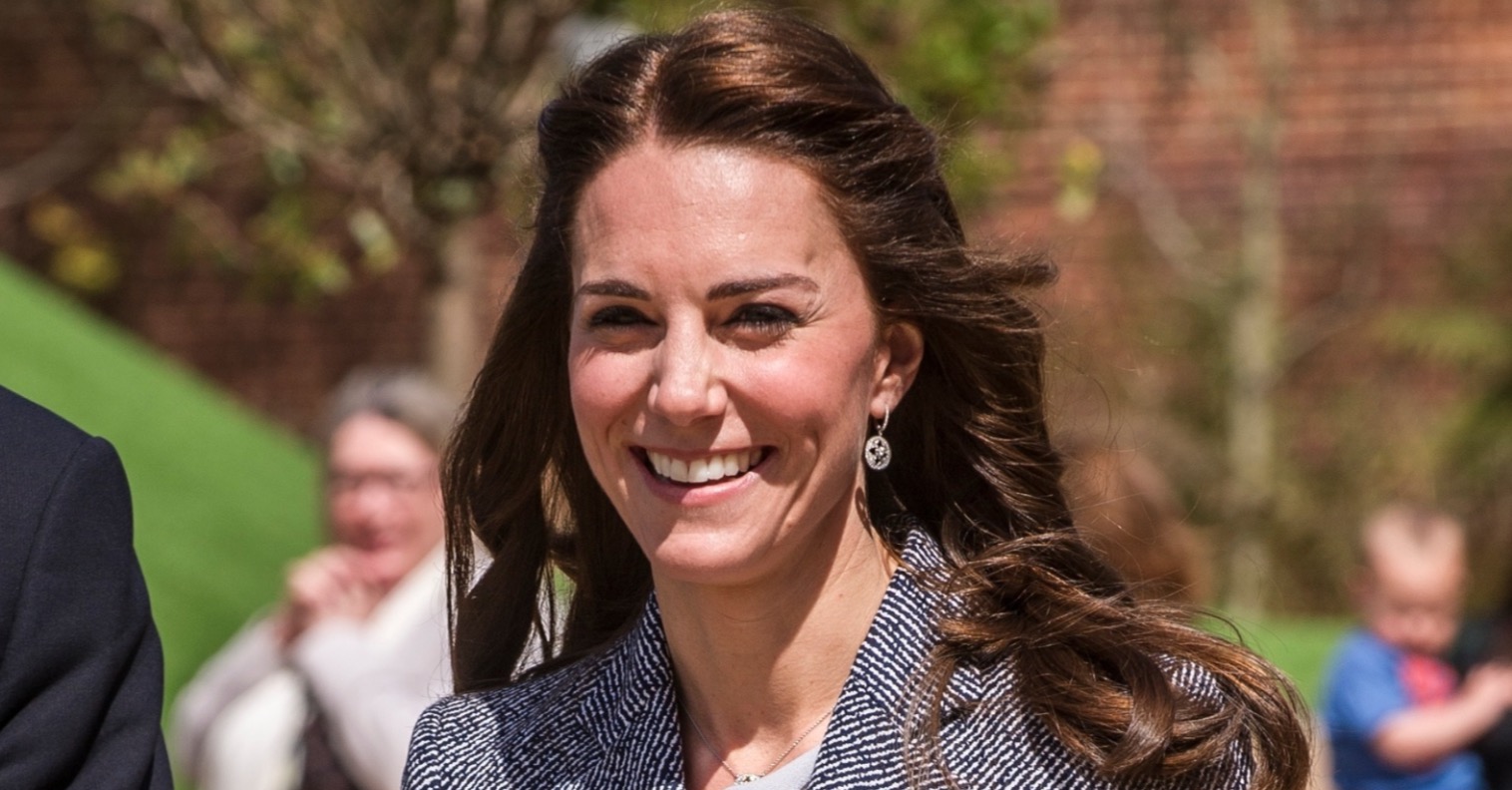
Demure buns, impeccable half-tails, straightened lengths that shine under the flashes: in the official photos, one detail stands out among the royal families. Mother and daughter often display the same hairstyle, as a perfect reflection, from Kate Middleton and Princess Charlotte to Queen Letizia and Princess Leonor. Nice aesthetic coincidence or much more elaborate message?
Published on January 30, 2026, the article, based on psychologists interviewed by the magazine, answers bluntly: these identical hairstyles owe nothing to chance. They are part of a non-verbal communication strategy intended to show a united family and a fluid succession. Hair then becomes a silent account of royalty, readable at a glance.
When the hairstyle of royal mothers and daughters becomes language
These twin hairstyles primarily serve to project an image of unity, continuity and stability, three central values for monarchies built on transmission. Aligning the hair of the mother and daughter signals that the future heiress will follow in her footsteps. This visual language, repeated at each appearance, reassures a public sometimes worried about the future of the crowns.
In fact, this gives a very coded repertoire: demure buns, impeccable half-tails, long straightened locks with an almost identical fall. With Kate Middleton and Princess Charlotte, but also with Queen Letizia and Princess Leonor, this mimicry shapes a family postcard. Same climate with Rania from Jordan and her daughters, with flexible and perfectly controlled lengths.
Imitation, attachment and emotional security in young princesses
For little princesses, copying their mother’s hairstyle is not just a matter of protocol. The psychologists cited by see it as a classic attachment mechanism: imitating the reference parent helps one feel secure. As summarized by the specialists interviewed by the magazine: , explain the experts.
And yet, this mimicry is not automatic. In the Netherlands, Queen Maxima Zorreguieta, for example, leaves more stylistic freedom to her daughters, in particular Princess Amalia. The hairstyles vary more and sometimes move away from those of the mother. This choice may reflect another way of thinking about the royal role, where the affirmation of individuality is more openly valued.
Royal protocol, tradition and modernity: precise hair codes
Either way, these coordinated hairstyles strike a delicate balance between heritage and modernity. To stay within royal protocol, hair must be neither too fashionable nor too strict. The hair is smooth, the parting is well placed, everything is controlled to last all day. This reassuring, almost codified aesthetic reinforces the credibility of future heiresses.
When Kate Middleton recently adopted a simple side braid for a guided walk with the Mind Over Mountains association, far from her usual impeccable blow-drys, many saw it as a slight relaxation of these codes. But as soon as she appears alongside Princess Charlotte on official occasions, the Princess of Wales returns to this shared hair grammar, designed to show an aligned family, down to the details.
Why are mother-daughter twin hairstyles so common?
Because they make it possible to show family unity and continuity of lineage, while reassuring the public about the stability of the monarchy.
Are these hairstyles imposed by the palaces?
The texts above all evoke an implicit framework and protocol expectations, rather than a written regulation which would impose a precise hairstyle.
Can princesses stray from their mother’s style?
The example of Queen Maxima and Princess Amalia shows that certain heiresses can have a greater margin of hair freedom.
