
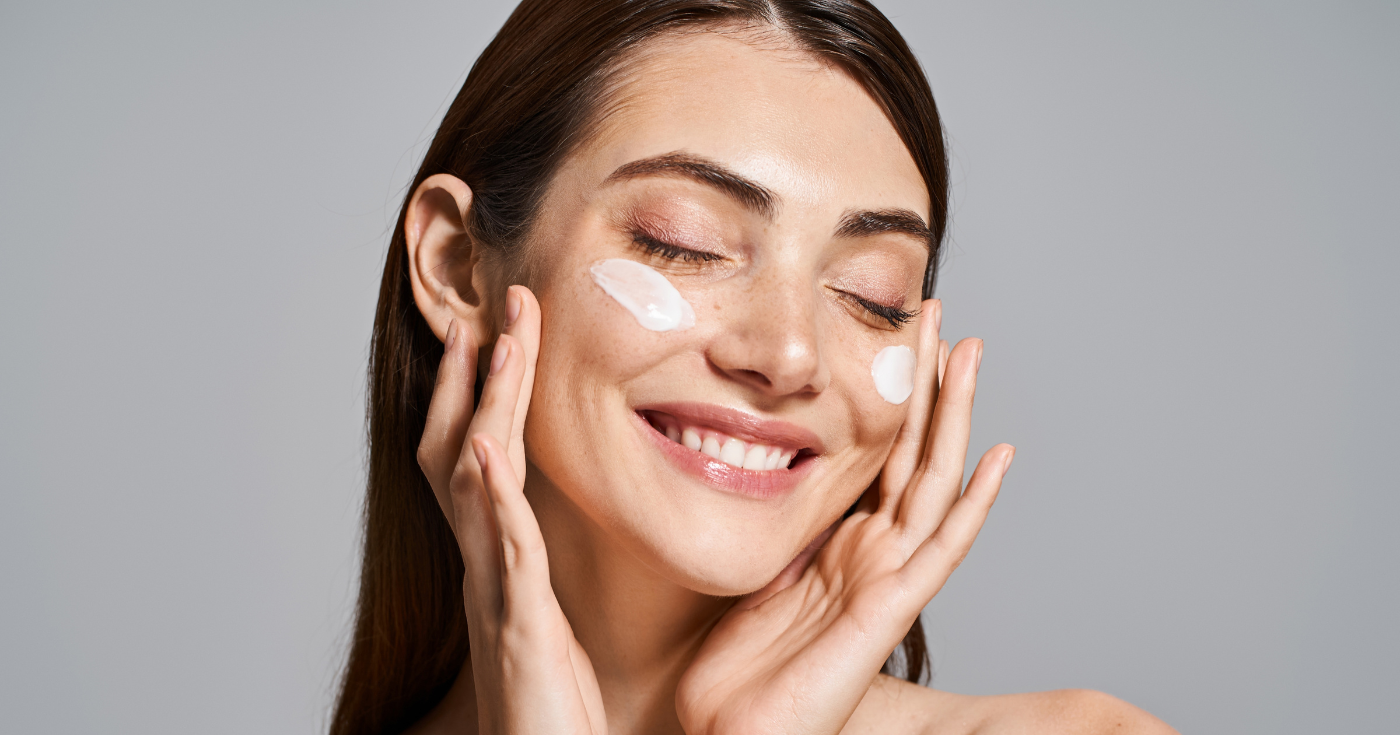
You started tretinoin with the hope of clearer skin… and did you find yourself with tightness, redness or small spots appearing everywhere?
This moment when your skincare routine changes is almost a rite of passage. Many go through this before finding balance.
Why tretinoin can make your skin dry and sensitive
Tretinoin is one of the active ingredients most used in dermatology to treat acne or smooth the signs of aging. This vitamin A derivative works by accelerating cell renewal, which helps improve skin texture and even out skin tone.
The other side of the coin is that this process temporarily weakens the skin barrier. Result: the skin can become drier, redder and more sensitive. Dermatologists frequently observe burning sensations, small flaking or tightness during the first weeks of use.
Without proper hydration, these effects can intensify. A moisturizer is therefore not just a bonus in your routine. It becomes a central part to protect the skin and limit irritation during the use of a powerful retinoid.
Specialists generally recommend favoring formulas capable of strengthening the skin barrier, while avoiding aggressive active ingredients which could aggravate sensitivity.
Ingredients that really help your skin with tretinoin
Not all moisturizers are created equal when skin is going through an adaptation phase. Certain formulations are particularly sought after for their ability to calm inflammation and maintain a good level of hydration.
Dermatologists often cite several key ingredients:
-
hyaluronic acid to attract and retain water in the skin
-
ceramides which strengthen the skin barrier
-
glycerin which helps maintain hydration
-
niacinamide to soothe redness
-
squalane which nourishes without weighing down the skin
These components work together to support the skin as it adjusts to the treatment. The goal is not simply to hydrate, but to gradually rebuild the skin’s natural protection.
In this logic, fragrance-free and alcohol-free formulas are generally preferred. Textures that are too active or loaded with essential oils can cause more irritation when the skin is already fragile.
Moisturizers often recommended with tretinoin
Several products regularly appear in the recommendations of dermatologists and beauty editors. They have one thing in common: a simple formula, tolerated by sensitive skin and focused on repairing the skin barrier.
Among the references often cited, we find in particular:
-
Vanicream Daily Facial Moisturizer, known for its hypoallergenic and very gentle formula
-
CeraVe Moisturizing Cream, rich in ceramides and hyaluronic acid
-
Cetaphil Moisturizing Cream, popular for its combination of niacinamide, panthenol and glycerin
-
Skinfix Barrier+ Triple Lipid-Peptide Cream, formulated to strengthen the skin barrier
-
SkinCeuticals Triple Lipid Restore, often used for very dry skin
These creams all have the same goal: to limit feelings of dryness and keep the skin comfortable while using tretinoin.
Another technique is widely used among dermatologists and skincare enthusiasts: the so-called “sandwich” method. It consists of applying a thin layer of moisturizer, then tretinoin, before finishing with a second layer of cream. This approach helps reduce irritation while maintaining the benefits of the treatment.
Over time, the skin generally gets used to the active ingredient. However, hydration remains an essential pillar to maintain comfortable skin and prevent the routine from becoming a daily battle against tightness.
1. Why should you use a moisturizer with tretinoin?
Tretinoin accelerates skin cell turnover. This process can weaken the skin barrier, which often causes dryness, redness or flaking. A moisturizer helps calm these effects and protect the skin while it adapts to treatment.
2. Which moisturizer should you choose when using tretinoin?
Dermatologists generally recommend creams rich in restorative ingredients such as ceramides, glycerin or hyaluronic acid. Fragrance-free formulas suitable for sensitive skin are often the most tolerated.
3. Can you apply your moisturizer before or after tretinoin?
Both methods exist. Some people apply the cream after the tretinoin, while others use the so-called “sandwich” technique: moisturizer, tretinoin, then another layer of cream to reduce irritation.
4. Are brands like CeraVe or Cetaphil suitable with tretinoin?
Yes, these brands are often recommended because their moisturizers contain ingredients that strengthen the skin barrier and help limit dryness caused by retinoids.
5. How long does it take for skin to get used to tretinoin?
Photo credit: @shutterstock
