
“Cherry cola” lips, burgundy manicures, red-black shades… After investing in our makeup bags, this dark aesthetic is also making its way into perfumery. This season, fruity fragrances explore another register, far from their traditionally fresh and sparkling image, with more intense, deeper and sometimes unexpected compositions.
An evolution around black fruits that echoes our passion for gourmet perfumes, but with a new approach: less obvious sweetness, more contrasts and character. Enough to spice up our olfactory habits a little!
Black fruits in perfumery: each has its own character
Among them we find black cherry, blackberry, blackcurrant, plum, but also wild berries and fig. Notes that we know well, but which are revealed here in a new light. The black cherry seduces with its fleshy accents, sometimes enhanced with a touch of bitterness, while the blackberry plays on a balance between sweetness and acidity. Blackcurrant, particularly through its buds, is distinguished by green accents, sometimes almost animal, which give it a real singularity. The plum provides a more velvety texture, sometimes close to dried fruit, while the fig reveals creamy and vegetal nuances.
What changes above all is the way in which perfumers work with these notes. Exit the crunchy and thirst-quenching fruits: we now prefer them very ripe, concentrated, sometimes even candied or macerated. Enough to obtain richer compositions, where gluttony does not systematically take over. Because this is also what makes this trend so interesting: showing that a fruity perfume can be elegant, sensual and have a real personality, without necessarily smelling like candy.
Gluttony takes on another dimension
To give depth to these accords, perfumers rely on more surprising associations. Rum, cognac or whiskey add a sweet touch, particularly interesting with cherry or plum. Conversely, leather, tobacco and oud counterbalance their sweetness with darker facets, sometimes woody, sometimes smoky. Patchouli, sandalwood and amber notes bring depth and roundness to the composition, while spices, from pepper to saffron and chili, add a touch of heat. Blends that could well appeal to those who, until now, found fruity scents a little too tame. And if the trend catches your eye, here are our favorites to adopt this winter.
Five flavors that explore the dark side of fruit
- Cherry Stem – Phlur
The black cherry takes on a cocktail feel with its notes of brandy, plum and caramel. But there’s no question of going too sweet: ebony and leather spice things up.
- L’Interdit Elixir – Givenchy
The black cherry invites itself in the middle of the emblematic white flowers of L’Interdit. The bitter almond recalls the core of the fruit, while the rum, davana and oak bring a warmer and syrupy touch.
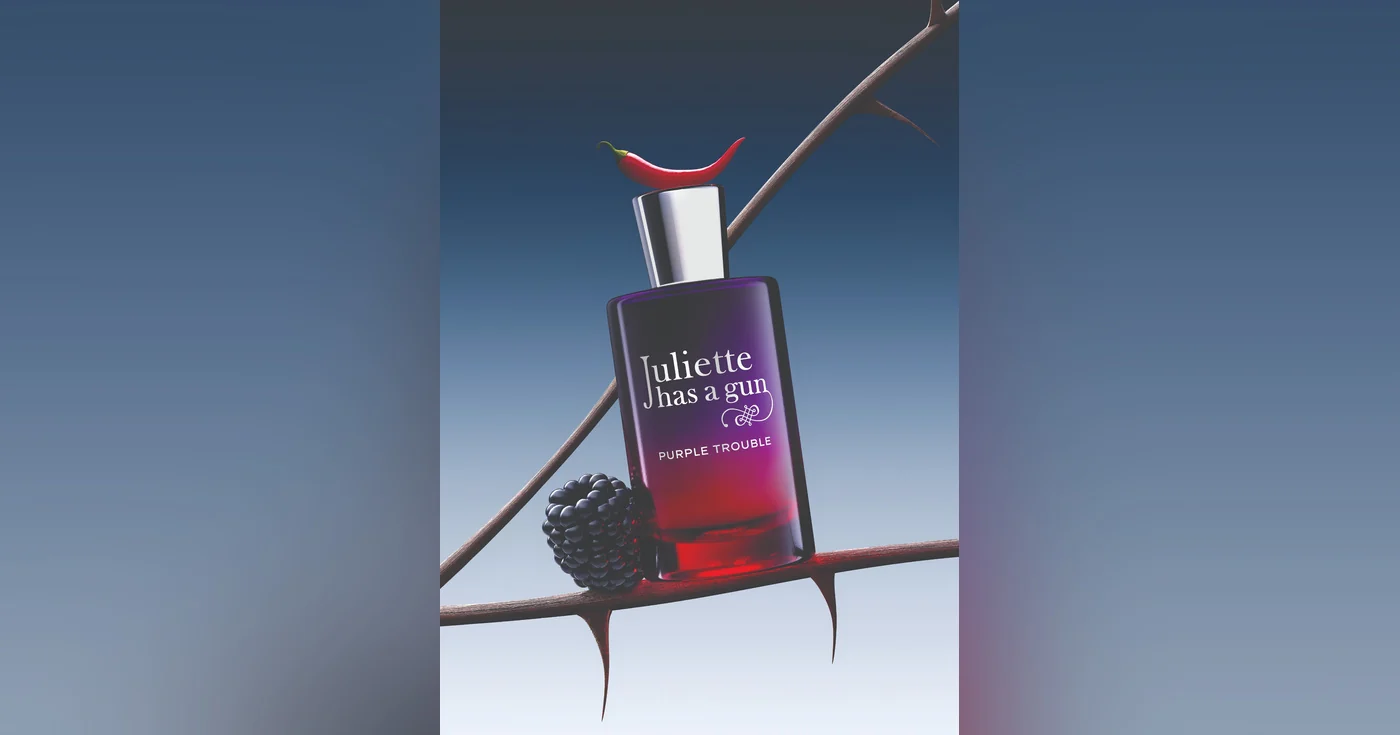
- Purple Trouble – Juliette Has a Gun
Blackberry and red pepper? This is a duo that is out of the ordinary! The fruit keeps its juicy and tangy side, but the pepper spices it up. In the background, musks and Ambroxan bring a softer touch.
- Aqua Allegoria Tabac Sahara – Guerlain
Raspberry meets tobacco in an accord that plays on contrasts. On one side, a tangy and juicy fruit; on the other, warm and slightly dry tobacco notes. An unexpected duo that gives raspberry a completely different look.
- Erotic Fig – Tom Ford
Far from the fresh and vegetal image that we know, the fig is very ripe, almost candied, with a touch of brown sugar. Patchouli, vetiver and benzoin balance this sweetness with woody and resinous notes.
What are the black fruits most used in perfumery?
Black cherry, blackberry, blackcurrant and plum are some of the most representative notes. The fig also finds its place in these compositions, with its more creamy and vegetal accents.
How is it different from a classic fruity perfume?
Fruity scents often evoke fresh, juicy, tangy fruits. Here, the fruits take on a more delicious or darker dimension, with accents of ripe, candied or macerated fruits.
What notes are found in black fruit perfumes?
We find in particular leather, tobacco, patchouli, sandalwood and even spices. Rum and cognac can also be used to give the impression of fruit macerated in alcohol.
Are dark fruit flavors necessarily sweet?
No ! Even if cherry, blackberry or plum can add a gourmet touch, woody, spicy or leathery notes allow you to create less sweet, sometimes even dry or smoky scents.
Can you wear a black fruit perfume all year round?
Yes ! Their warm and enveloping notes can be particularly pleasant in autumn and winter, but nothing prevents you from wearing them in spring or summer, depending on your tastes.
