
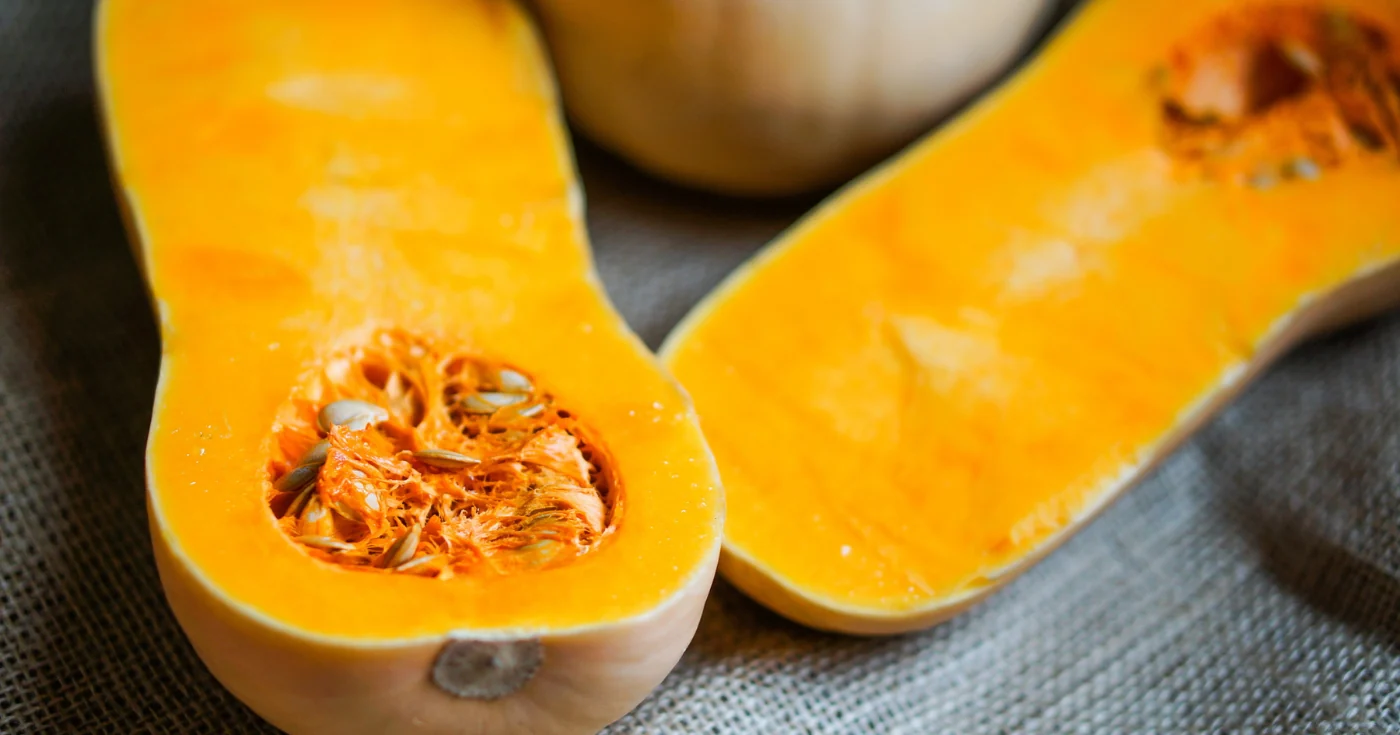
At first glance, nothing suggested such a consequence. A soup, a stir-fry or a squash gratin: familiar dishes that we regularly find on our plates in the fall. However, after consuming a squash with an unusually bitter taste, some people have had a particularly distressing experience: violent digestive problems, peeling skin and, a few days later, significant hair loss. In April 2025, the testimony of Bertrand, a 52-year-old man who experienced this episode after eating a green squash, brought this phenomenon back into the spotlight.
This scenario is not a simple anecdote relayed on social networks. French dermatologists have described several similar cases in the scientific literature, notably in the journal in 2018. The phenomenon has a name: toxic squash syndrome, or cucurbitacin poisoning. If hair loss remains exceptional, digestive consequences can be much more frequent. And above all, one detail generally makes it possible to spot the danger before eating: the unusual bitterness of the vegetable.
“I lost my hair after eating a squash”: these testimonies that challenge
In April 2025, the daily collected the testimony of Bertrand, a 52-year-old resident of Ile-de-France. After buying a green squash in an organic store, he cooked it in a pan. Upon tasting, he noticed a bitter taste, which he attributed to a little too much cooking. But during the night, symptoms appear: particularly violent vomiting, digestive pain and several days during which he feels completely exhausted. He initially thinks he has overcome this intoxication, before noticing, a few days later, that his skin is starting to peel and his hair is gradually falling out.
This testimony echoes medical observations published several years earlier. In 2018, dermatologist Philippe Assouly, from the Sabouraud Center at Saint-Louis hospital in Paris, reported in two cases of women who experienced significant hair loss after consuming bitter gourd. In 2023, doctors from Nantes University Hospital also described the case of a 55-year-old woman who developed digestive disorders, skin manifestations and diffuse alopecia after eating spaghetti squash. These observations show that the phenomenon, although rare, is medically documented.
Cucurbitacins: which toxic substance can cause hair loss?
The culprits are cucurbitacins, molecules naturally produced by certain plants in the Cucurbitaceae family, which includes squash, zucchini, pumpkins and cucumbers. These substances play a defense role for the plant, protecting it in particular against insects and predators. They are present in significant quantities in certain wild and ornamental squashes, but normally absent or very little present in the food varieties that we usually consume.
The problem particularly arises when an edible squash is pollinated by a wild or ornamental variety. This cross-pollination can result in fruits containing more cucurbitacins. Another risky situation concerns decorative squash, such as gourds, which should never be eaten. The most misleading? A poisonous squash can look perfectly ordinary. Its size, color or shape does not necessarily distinguish it from an edible vegetable. It is its particularly bitter taste which constitutes the main warning signal.
How can toxic gourd cause massive hair loss?
After ingestion, cucurbitacins can cause poisoning, the first symptoms of which are generally digestive. Nausea, vomiting, diarrhea and abdominal pain can appear quickly, sometimes just a few hours after the meal. In some cases, the problems are severe enough to cause dehydration, lower blood pressure or require hospitalization. In France, a study published in the journal identified 353 patients exposed to inedible squash between 2012 and 2016. More than half had presented digestive symptoms.
Hair loss is much rarer. It is explained by the toxic action of cucurbitacins on the cells which participate in hair growth. These molecules can disrupt their multiplication and cause what dermatologists call toxic anagen effluvium: hair in the growth phase is suddenly weakened, then falls out. The loss can concern the scalp, but also the eyebrows, armpits or pubic hair. In the case reported by Nantes doctors in 2023, the alopecia was diffuse and not scarring. The patient also had peeling of the skin.
Can you get your hair back after eating poisonous squash?
Fortunately, this spectacular fall is not necessarily permanent. In reported medical cases, hair was able to gradually grow back after poisoning. The patient followed at the Nantes University Hospital thus showed the beginning of regrowth four months after ingesting the squash. The two women described in the 2018 publication also regained hair regrowth over the following months. Recovery nevertheless depends on the extent of the damage and requires appropriate medical monitoring.
There is no cosmetic treatment capable of neutralizing the effects of cucurbitacin poisoning on hair follicles. In the event of an unusual fall after a digestive episode, it is therefore important to consult a doctor and report the recent consumption of bitter gourd. The objective is in particular to find the origin of alopecia and to rule out other possible causes. The most important thing, however, is prevention: a particularly bitter squash should never be eaten, even if it appears perfectly healthy and has been cooked.
How to recognize a toxic squash and avoid poisoning?
This is the essential message from the National Food Safety Agency (ANSES): you should never consume a squash whose taste is particularly bitter. Contrary to some popular belief, cooking does not destroy cucurbitacins. Boiling, roasting or baking the vegetable therefore does not make it edible. If a squash has unusual bitterness, spit out the piece and throw the whole vegetable away, without trying to mask its taste with other ingredients.
A few precautions also help to limit the risks. Gourds and other ornamental gourds should remain decorative elements and never be used in cooking. In the vegetable garden, it is not recommended to collect seeds from your own crops to sow them the following year, as they may come from crosses with wild varieties. Instead, ANSES recommends buying new seeds every year and not consuming squash that grow spontaneously in the garden. Finally, in the event of vomiting, diarrhea or abdominal pain after ingesting a suspect squash, you should contact a poison control center or a health professional. In case of emergency, 15 or 112 can be called.
FAQ: everything you need to know about toxic squash poisoning
Can squash really cause hair loss?
Yes, but it remains exceptional. Some squashes containing high concentrations of cucurbitacins can cause poisoning, which in rare documented cases results in significant hair loss.
What are the symptoms of squash poisoning?
The first symptoms are generally digestive: nausea, vomiting, diarrhea and abdominal pain. In rarer cases, skin symptoms, scaling and hair loss may appear in the days that follow.
How do you know if a squash is poisonous?
Particularly pronounced bitterness is the main warning signal. The appearance of the vegetable cannot determine whether it contains cucurbitacins in dangerous amounts. If you notice an unusual bitter taste, stop consuming it immediately and throw it away.
Does cooking destroy cucurbitacins?
No. Cucurbitacins are resistant to cooking. A toxic squash therefore does not become edible after being put in the oven, in the pan or in a saucepan.
Does hair grow back after squash poisoning?
In published cases, regrowth has been observed in the months following poisoning. The fall can be impressive, but it is not necessarily permanent. Medical follow-up remains essential to assess progress.
