
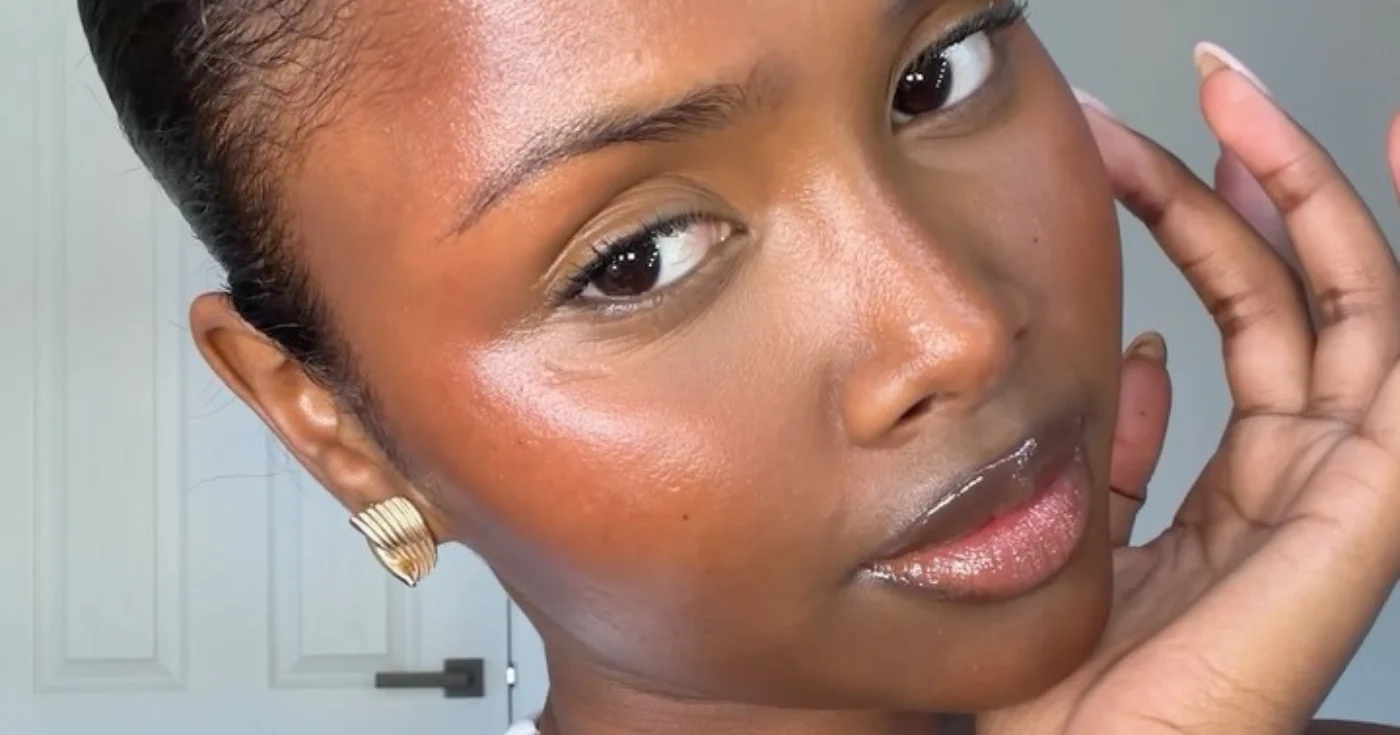
Dermaplaning had everything to seduce me. A simple technique, impressive before/after videos and the promise of immediately smoother skin: on paper, it’s hard to resist.
So I started. Like many people who discover a beauty trend on social media, I thought the risk was limited. After all, it wasn’t a major medical procedure. It was simply a way of removing small hairs and dead cells from the surface of the skin.
Except my skin didn’t like it at all.
I just thought I had softer skin
Initially, I liked the result. My skin looked smoother and makeup could give a more even finish.
This is precisely what makes this trend attractive: the result is immediately visible.
But after a while, I started to notice imperfections. Then more. And even more.
In a Reddit discussion devoted to TikTok trends that have harmed the skin, one user explains that dermaplaning triggered a veritable acne “spiral” for her that lasted six months or more. Other people report having had a similar experience.
The problem is I kept trying
As is often the case when something doesn’t work right away, I thought I must just be doing it wrong.
It’s a pretty classic trap with beauty trends: when a technique works perfectly for someone on TikTok, we can easily think that we just need to find the right gesture or the right product.
But a skin is not a tutorial.
Two people can do the exact same thing and get completely different results.
And when my skin started to react, I realized that wanting to immediately return to the “perfectly smooth skin” result might just make things worse.
Dermaplaning is not necessarily bad for everyone
This is where I want to add an important nuance.
My experience does not mean that dermaplaning is a bad technique for everyone.
More broadly, exfoliation can be beneficial for some people, but dermatologists warn against practices that are too aggressive or too frequent. In particular, improper exfoliation can lead to more redness or encourage certain acne breakouts.
Frequency and technique therefore matter a lot.
And above all, already irritated skin is probably not the best environment for multiplying exfoliating procedures.
What this experience taught me about beauty trends
Today, I look at TikTok beauty trends with much more perspective.
A before/after video usually only shows the end result. It does not necessarily show the reaction of the skin a few days later, the frequency of use or any problems encountered by the person.
This is especially important when a trend touches directly on the skin.
Before trying a new technique, I now prefer to check what it is really used for, how often it should be practiced and whether it matches my skin type.
And above all, I no longer start from the principle that “it burns therefore it works” or that “the more often I do it, the better the result will be”.
FAQs
Can dermaplaning cause acne?
Some people report breakouts after this practice, but that doesn’t mean it always causes acne.
Is dermaplaning a form of exfoliation?
Yes. This is a mechanical method which notably removes superficial skin cells and hair.
Can you do dermaplaning at home?
There are tools intended for home use, but any exfoliating practice should be carried out with caution, particularly on sensitive or irritated skin.
How often can you exfoliate your skin?
There is no universal frequency: it depends on the method used and the skin type. In particular, the American Academy of Dermatology recommends avoiding overexfoliation, which can cause redness and irritation.
What should I do if my skin is irritated after exfoliation?
It is preferable to suspend irritating actions and favor a gentle and hydrating routine. If irritation persists or worsens, a dermatologist can determine the cause and appropriate treatment.
Source of testimony: Reddit, r/acne, discussion “What is the TikTok trend that ruined your skin? “.
