
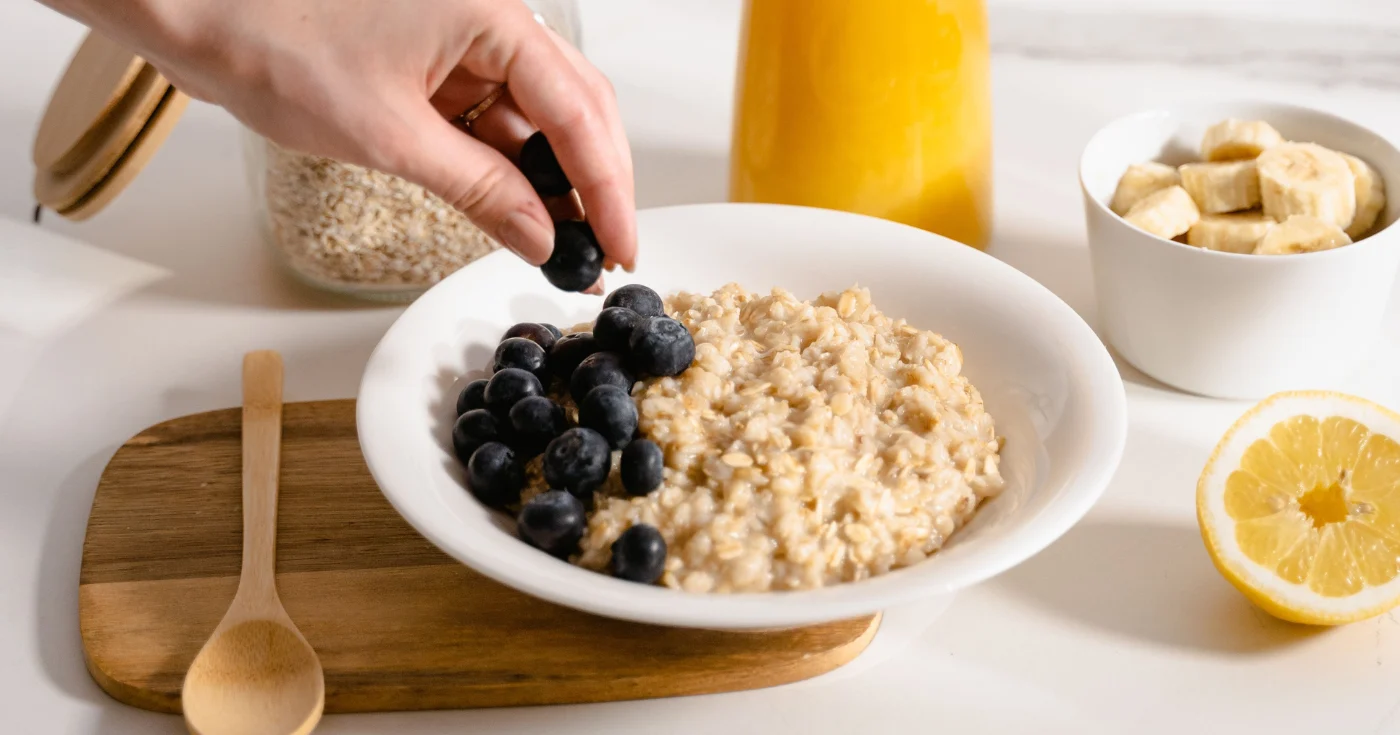
Oatmeal has become one of the symbols of the “healthy” breakfast. Overnight oats, hot porridge, smoothie bowls… they fit everywhere and are often seen as an ideal choice for health, figure and energy. Rich in fiber and renowned for their satiating effect, they have conquered morning routines without much dispute.
But for some time now, some nutritionists and dietitians have qualified this enthusiasm. Not because oats are “bad”, but because systematic consumption, without variety or adaptation to individual needs, might not be as optimal as we think. And it is precisely this nuance that changes everything.
Why oatmeal isn’t as “perfect” as we think
On paper, oatmeal has it all: moderate glycemic index, rich in soluble fiber (beta-glucans), natural appetite suppressant effect. They are often recommended to help stabilize blood sugar levels and improve intestinal transit.
But experts point out an essential point: no food, even considered healthy, should be consumed exclusively or automatically every day. The problem does not come from the oats themselves, but from the dietary monotony that they can cause.
In the long term, this repetition can limit the diversity of nutritional intake, particularly in proteins, good lipids and micronutrients present in other types of breakfasts. Result: a balanced meal on paper, but sometimes incomplete in reality.
Common mistakes that turn a healthy breakfast into a false slimming friend
The first pitfall of oatmeal is how it is prepared. Many consume them with honey, dried fruits, sweetened vegetable milk or ultra-calorie toppings without realizing it. The “healthy” bowl can then quickly become very rich in sugars.
Another error often pointed out by specialists: the absence of proteins. A breakfast of only oatmeal can cause rapid mid-morning hunger and even cravings. The ideal is to combine them with a source of protein (Greek yogurt, skyr, eggs, or milk rich in protein) to balance everything.
Finally, some sensitive people may poorly digest a high daily intake of fiber, leading to bloating or digestive discomfort. Here again, it’s all a question of dosage and listening to the body.
Should you stop eating oatmeal in the morning? Recommendations from nutritionists
The answer is no: there is no need to cut out oatmeal. On the other hand, experts strongly encourage variation. Alternating breakfasts allows you to provide a greater diversity of nutrients and avoid food fatigue.
Oatmeal can still be a great option, especially for active days or high energy needs. But they benefit from being included in a rotation: eggs, wholemeal bread, yogurt, fruit, or even savory breakfasts.
Another advice often given: adapt the quantities. A bowl that is too generous can easily exceed morning energy needs, especially if physical activity is low. Balance therefore remains the key.
FAQ – Daily Oatmeal
Do oatmeal really make you lose weight?
They can help with satiety thanks to their fiber, but they do not make you lose weight on their own. It all depends on the overall food context.
Can you eat oatmeal every day?
Yes, but nutritionists recommend varying breakfasts to avoid nutritional imbalances.
Are oatmeal good for digestion?
Yes, thanks to fiber, but excessive consumption can cause bloating in some people.
When is the best time to eat oats?
The morning remains ideal, but they can also be consumed as a snack or after sport as needed.
How much oatmeal per day?
In general, a serving of 40 to 60 g is considered suitable for a balanced breakfast.
