
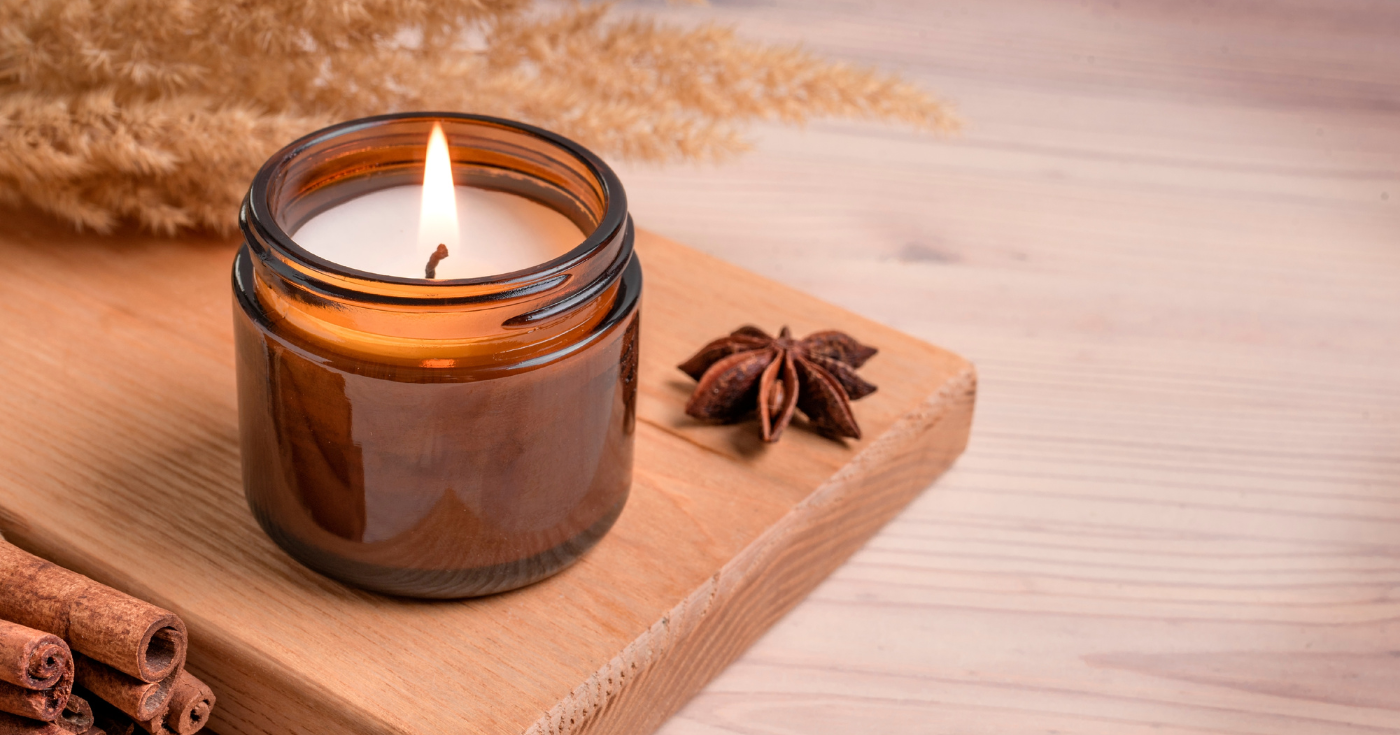
A sweet smell invades your room. You smile, breathing this scented air, convinced that you do good inside. However, a discreet danger hides behind this cozy atmosphere.
A perfume that hides threats
The investigation carried out by 60 million consumers reveals that domestic produce products incense to burn, scented candles, diffusers (static or electric) and sprays emit pollutants such as volatile organic compounds (aldehydes, aromatic hydrocarbons, terpenes), combustion gases and microparticles.
What surprises: these are the incense that stands out as the most harmful. The concentrations of microparticles and volatile organic compounds which they emit far exceed the health recommendations.
For the formaldehyde a carcinogen proven the levels measured range from 42 to 102 µg/m³, well above the thresholds recommended by ANSES.
Deodorizing sprays are not innocent, however: although they emit few carcinogenic substances, they can generate strong concentrations of terpenes.
Distribute, burn, spray … Each of these gestures releases something in the air you breathe, even if it seems trivial.
The most vulnerable – children, asthmatics, pregnant women …
These pollutants are not without consequences, especially for those who are already fragile. The regular use of these products is particularly not recommended for children, pregnant women and asthmatic people.
Faced with these risks, the consumer association pleads for clear and readable labeling on health risks, as well as stricter regulation of combustion products and supervision of marketing allegations of the “purifying” or “sanitizing” type.
Meanwhile, the market does not slow down: France imported nearly 173 million euros in candles in 2023. Advertisements speak “healthy air”, but tests show a completely different face.
Why are these products still on our shelves
The scented candles, the diffusers and the incense have become decorative or sensory reflexes. Hide the smell of cooking, establish a cozy atmosphere, hide a persistent humidity … There are many uses.
But paradoxically, it is also the health agencies that set up benchmarks. The comparison made based on the reference values of ANSES and the quality observatory of interior environments.
The results? Some products are generally less problematic, but not completely harmless.
Another aspect: lack of transparency. The association requires more explicit labeling, because many consumers ignore that they take a risk when they light a nice candle or a scented incense stick.
How to limit exposure to you
You are not going to abandon any pleasant smell at home, but you can act intelligently to protect your health. Here are any tracks:
-
Reduced or avoids the use of incense, the most polluting according to the tests
-
Favors simple candles, without complex perfumes or dyes, and monitors the quality of manufacture
-
Monitor your accommodation during and after use
-
Limits the use of odorous sprays or diffusers rich in terpenes
-
Chosen certified products or with clear mentions on the composition
-
Never leave a combustion product unattended
What can regulation do (and you)?
Faced with the scale of the emissions detected, experts call for legislative development: compulsory health labeling for combustion products, better transparency on risks and more restrictive regulation of marketing allegations.
As long as these measures do not come into force, you often remain the last bulwark. By choosing better, by ventilating more and limiting the use of these products, you can reduce the associated risks.
Photo credit: @Shutterstock
