
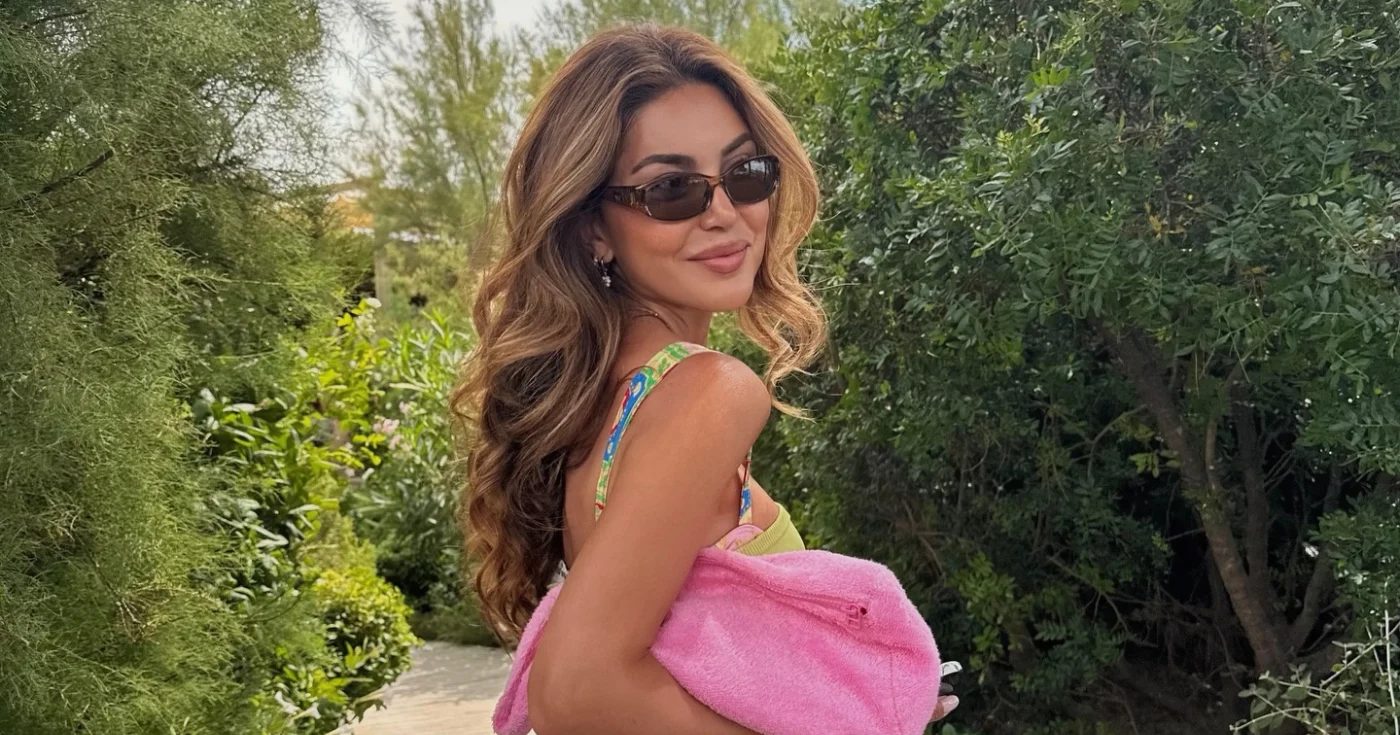
Falling in love is a total upheaval: racing heart, obsessive thoughts, radiant skin… and for some, hair that suddenly seems more beautiful. Shinier, more flexible, sometimes even slightly wavy when they were rather stiff. Coincidence or real biological phenomenon?
This idea, often relayed on social networks, is not trivial. It is part of a broader trend that links emotions and physical transformations. But between perception, hormones and scientific reality, it is essential to distinguish between things.
An attractive theory… but not scientifically validated
From a strictly scientific point of view, there is no no direct evidence showing that the state of love changes the nature of hair. Hair texture depends mainly on genetic factors: the shape of the hair follicle (more or less oval or round) determines whether your hair is straight, wavy or curly.
In other words, falling in love cannot permanently transform straight hair into a cascade of curls. Specialists are clear: there is no “love hormonal switch” capable of structurally changing hair. But that doesn’t mean it’s all completely wrong.
What Love Hormones Can Really Change
When you’re in love, your body releases a cocktail of hormones: dopamine (pleasure), oxytocin (attachment) and sometimes a slight variation in cortisol (positive stress). These changes may have
indirect effects on your hair.
For example, slightly altered sebum production can make the hair fiber softer or shinier. Likewise, better hydration or a healthier scalp can give a more pronounced “wavy” effect. These are not loops created from scratch, but rather a natural texture that expresses itself differently.
The mirror effect: why your hair looks more beautiful
The most determining factor often remains… psychological. When you are in love, you feel better about yourself. Result: we take more care of ourselves, we adopt new beauty habits, we touch our hair more often, we sometimes change our routine without realizing it.
The environment also plays a role: heat, humidity, increased physical activity (yes, it counts) can temporarily change the appearance of the hair. All these elements combined can give the impression of wavier, freer, almost transformed hair — when in reality it is a global effect, not a profound biological change.
FAQ – What everyone is wondering
Can emotions change hair texture?
Not directly. Emotions influence hormones, which can affect the quality of the hair (shine, suppleness), but not its underlying nature.
Why is my hair wavier some days?
It depends on many factors: humidity, treatments used, sebum level, or even the way your hair dries naturally.
Can hormones change hair?
Yes, but especially during major hormonal changes (pregnancy, stopping the pill, menopause). In these cases, the texture can really change.
Does stress or happiness affect hair?
They can impact their general condition (hair loss, shine, vitality), but not permanently transform their shape.
