
How Pro-Argin technology works on tooth sensitivity
Tooth sensitivity often occurs when dentin is exposed. Dentin contains tiny canals, called dentinal tubules, which communicate with the inner part of the tooth. When a stimulus such as cold, heat, air or certain foods reaches these tubules, brief pain may occur. Pro-Argin technology was developed to act on this mechanism by promoting the sealing of these exposed channels, in order to limit the transmission of painful stimuli.
The principle is based on the association of arginine, an amino acid, and a calcium compound. According to the mechanism generally described for this technology, this assembly helps to form a mineral deposit on the surface of dentin and in the open tubules. This approach to local management of sensitivity is focused on reducing the passage of stimuli rather than on analgesic action in the classic sense.
Why exposed dentinal tubules cause pain
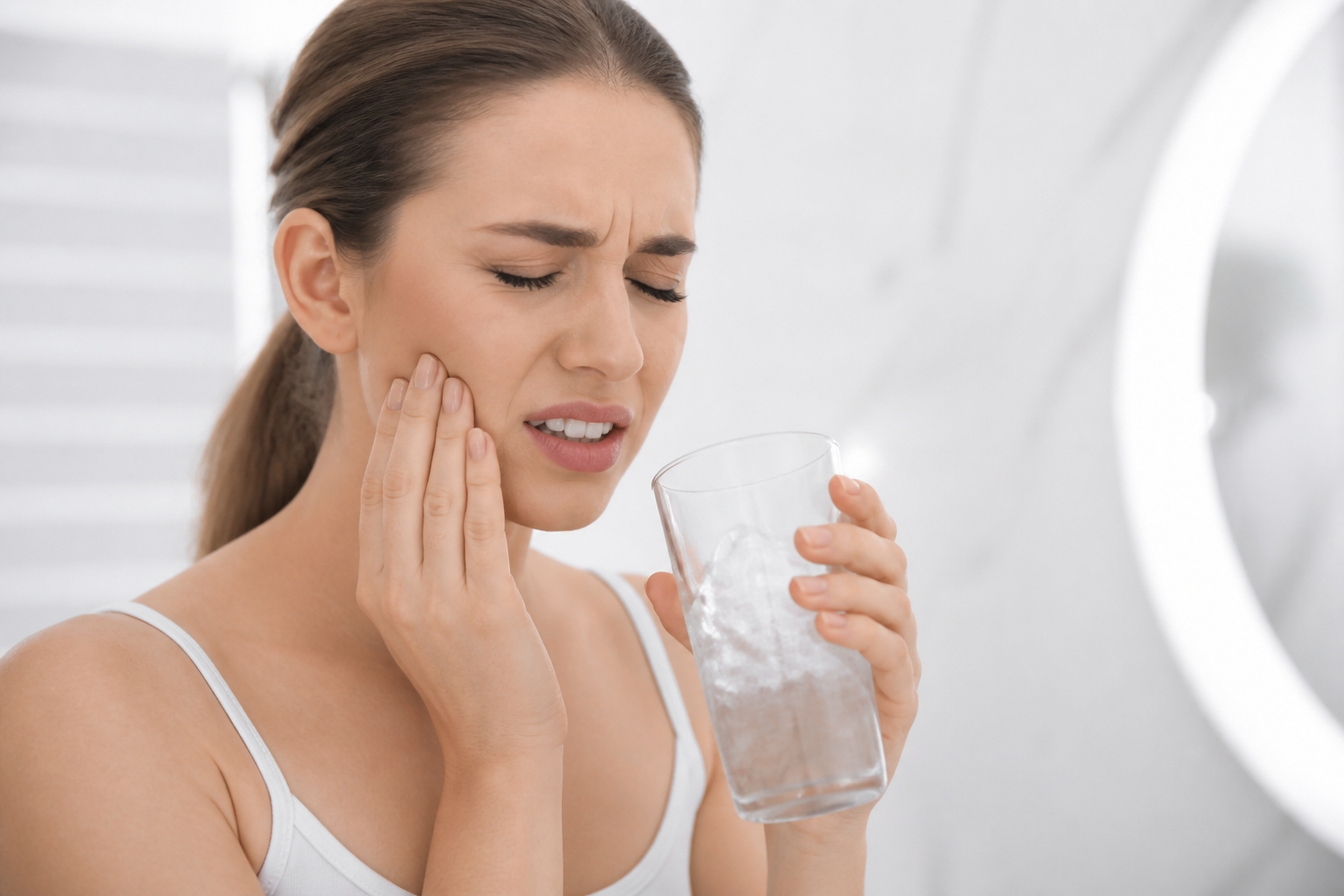
Pain from tooth sensitivity is different from deep, continuous, or throbbing tooth pain. Sensitivity most often manifests itself as a short pain, triggered by a specific contact, for example a cold drink, a sugary food or the passage of the toothbrush. This picture is compatible with dentin exposure, often linked to gingival recession, enamel wear, acid erosion or overly abrasive brushing.
The distinction is important, because not all tooth pain benefits from toothpaste for sensitive teeth. Nocturnal pain, spontaneous pain, discomfort after a filling that lasts several weeks or very localized pain on a single tooth can also suggest a cavity, a crack, pulpal inflammation or another problem requiring a clinical examination. In 2026 as before, the good reflex remains to identify the cause before multiplying product changes.
In which cases can this approach be relevant?
Pro-Argin technology may be relevant when the pain corresponds to typical dentin hypersensitivity. The most common profile is that of a person who feels brief discomfort when cold, hot, sweet or brushing, without continuous pain or obvious signs of infection. This situation can appear after wear of the enamel, exposure of the dental necks or sometimes after certain treatments or aesthetic procedures which make the teeth more reactive for a time.
In this context, the benefit of tubule sealing technology is to directly target the supposed mechanism of pain. This approach can therefore be compared to other families of toothpastes for sensitive teeth, in particular fluorinated formulas aimed at enamel protection or desensitizing formulas based on other active ingredients. The choice depends above all on the sensitivity profile, the overall oral condition and the advice of the dentist.
What criteria to look for before choosing a toothpaste for sensitive teeth
Choosing a toothpaste for sensitive teeth is about more than just promising relief. It is first necessary to check whether the pain is compatible with simple dentin hypersensitivity, then look at the composition, the intended use and the associated needs, such as caries prevention, enamel protection or gingival comfort. Some users are also looking for a suitable formula after whitening or after the failure of several successive attempts.
-
Identify the type of pain: brief and triggered, or on the contrary spontaneous and persistent.
-
Check the main objective: to relieve sensitivity, protect enamel, support a caries risk or protect the gums.
-
Observe tolerance to brushing: a suitable formula does not compensate for an overly abrasive technique.
-
Seek dental advice if sensitivity affects only one tooth or worsens over time.
How to situate Pro-Argin technology among the available approaches
Not all toothpastes for sensitive teeth work the same way. Some formulas mainly seek to strengthen the tooth surface using fluoride, others aim to reduce the circulation of stimuli in the dentinal tubules, and still others combine several objectives. Pro-Argin technology belongs to the family of approaches that target tubule plugging, making it a consistent option when exposed dentin is the focus of the problem.
The table below helps to distinguish the main support logics, without establishing a general hierarchy. The right choice depends on the diagnosis, eating habits, quality of brushing and the possible existence of an underlying pathology.
|
Approach |
Main objective |
Profile concerned |
|---|---|---|
|
Obturation of dentinal tubules |
Limit the passage of painful stimuli |
Brief sensitivity linked to exposed dentin |
|
Fluoride enamel protection |
Strengthen the tooth surface and prevent decay |
Enamel wear or associated carious risk |
|
Clinical management |
Treat a structural or inflammatory cause |
Persistent, localized or spontaneous pain |
What limits to keep in mind before interpreting dental pain
Tooth sensitivity should not mask another cause. Pain that wakes you up at night, pain that radiates, discomfort after treatment that does not diminish, swelling or pain when chewing do not automatically result from dentin hypersensitivity. In these situations, toothpaste, regardless of its technology, is not enough to diagnose or treat an infection, crack or deep decay.
Another point of vigilance concerns daily habits. Repeated acidic drinks, too vigorous brushing or an unsuitable brush can keep dentin exposed. The logic is to protect sensitive areas, but the expected effectiveness also depends on regular use and oral hygiene consistent with the cause of the problem.
Frequently Asked Questions about Pro-Argin Technology and Tooth Sensitivity
Does Pro-Argin technology relieve all dental pain?
No, Pro-Argin technology mainly targets dentin sensitivity, not all dental pain. Brief pain when cold or when brushing may correspond to exposed dentin, a situation in which sealing the tubules makes sense. On the other hand, continuous, throbbing, nocturnal or very localized pain can suggest decay, a crack or deeper inflammation. In this case, an examination by the dentist remains necessary to avoid confusing sensitivity and dental pathology.
How to recognize typical tooth sensitivity?
Typical tooth sensitivity causes a short pain, triggered by a specific stimulus. The most common picture associates a sharp but brief discomfort in contact with cold, heat, air, sweets or a toothbrush. This pain usually stops when the stimulus disappears. Pain that persists for a long time, that occurs without a trigger or that is accompanied by swelling does not correspond to the classic profile of dentin hypersensitivity and deserves clinical evaluation.
Does Pro-Argin technology act on enamel or dentin?
Pro-Argin technology acts mainly on exposed dentin and its tubules. The mechanism put forward is based on the formation of a deposit which helps to close the open dentin canals. The goal is to reduce the circulation of stimuli responsible for pain. This logic differs from an approach focused primarily on strengthening the enamel. In practice, the distinction is useful in choosing a toothpaste suited to the likely mechanism of sensitivity.
Can we use this type of toothpaste after whitening?
Yes, toothpaste for sensitive teeth can be considered after whitening if transient sensitivity occurs. After bleaching, some people experience increased reactivity to cold or air. A sensitivity-oriented formula can then improve comfort, provided that the discomfort remains moderate and temporary. If the pain becomes significant, lasts several days or concerns a single tooth, you should seek the advice of the practitioner who performed the treatment or a dentist.
Should you change your toothpaste if sensitivity returns?
Not necessarily, because returning sensitivity can also reveal an uncorrected cause. The return of discomfort does not automatically mean a more powerful formula is needed. It could be brushing too hard, frequent consumption of acidic foods, gum recession or a separate dental problem. Before changing products several times, it is useful to review brushing technique and have the exact origin of the pain checked.
When should you see a dentist rather than relying on toothpaste?
You should consult a dentist if the pain is intense, persistent, nocturnal or limited to a single tooth. Toothpaste for sensitive teeth can accompany simple dentin hypersensitivity, but it does not replace a diagnosis. Pain when chewing, swelling, unusual bad breath, discomfort after a filling that lasts or spontaneous pain should prompt the search for a structural or infectious cause. This sorting is essential to avoid a delay in support.
