
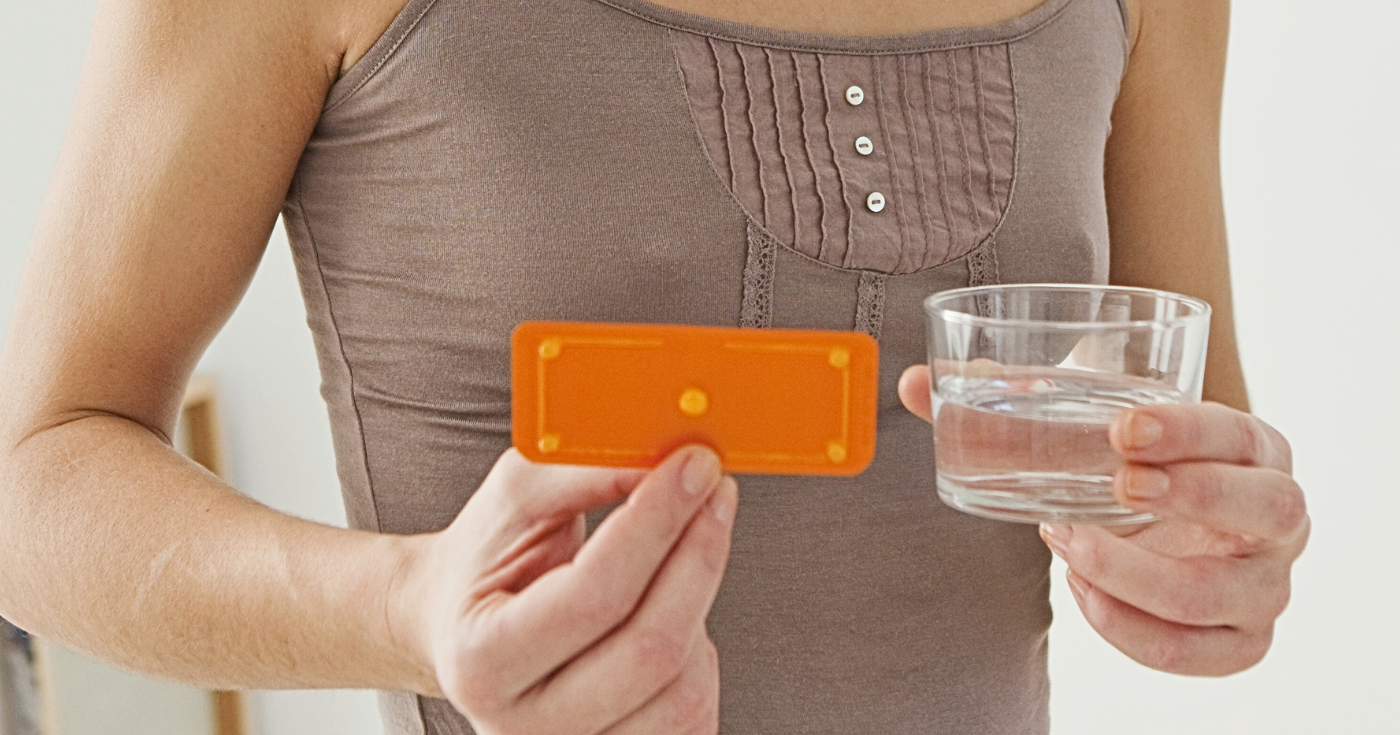
She may save you from an unwanted pregnancy, but she doesn’t leave without leaving some traces. Behind its apparent simplicity, the morning after pill hides much more than you have ever been told. If you think it is harmless and automatic, it’s time to reread the instructions… in the human version.
An emergency remedy… which has nothing to do with a “reset” button
You’ve probably already heard: “You have 72 hours” or “The sooner you take it, the better.” This is true, but incomplete. There is in fact two types of morning after pill:
-
Levonorgestrel (like Norlevo), effective up to 72 hours after unprotected sex.
-
Ulipristal acetate (EllaOne), which can act up to 120 hours, i.e. 5 days.
But be careful: their effectiveness is not 100% guaranteed. It depends on several factors, including your time of ovulation. If you are already ovulating when you take it, the risk of pregnancy remains intact, because these pills do not act like a medical abortion, they do not interrupt a pregnancy that has already begun.
The side effects, you discover them later… and not just a little
You may have been told that “it can disrupt your cycle a little”, period. In reality, side effects can be more varied and more intense than one imagines. Among the most common:
-
Of the unexpected bleeding, sometimes heavy
-
A late period of several days, or even a complete absence
-
Of the nausea or vomiting
-
A unusual fatigue
-
Of the headache
-
A abdominal pain similar to period cramps
Some women also talk about hot flashes, dizziness, even feelings of oppression. And sometimes it’s on the emotional level that it shakes: anxiety, anger, feeling of shame or loneliness.
And if you vomit in the 3 hours after taking it, you have to start again: the pill has not had time to act.
Psychologically, it leaves traces
You may feel relieved… or completely lost. Because behind the pill, there is the context: a forgetting, a condom failure, a moment of panic. And it’s not neutral. For many, it is an emotionally heavy act, often marked by guilt or fear of having “done wrong”.
Some testimonies report a feeling of total disarray, as if their body no longer belonged to them for a few days. And even if the pregnancy test ends up being negative, the experience remains striking, almost initiatory.
You can be entitled to it for free, but you are not necessarily informed
What you may not know is that the morning after pill is available without a prescription in pharmacies, free for minors and adults since March 2023. And yet, many women do not dare to ask for it or wrongly think that it requires a trip to the doctor.
You can even get it:
-
In pharmacy without prescription
-
In a family planning center
-
From a school nurse
-
Online, via certain teleconsultations
But beyond access, it is above all the clear information that is missing. Because even if you can buy it freely, you often have no idea how it actually works on your body.
No, it’s not a contraceptive like the others
You understand: the morning after pill is not a regular means of contraception. She is there in case of a hard blow, not to replace a daily pill or a condom. If you take it too often, its effectiveness decreases. And your cycle can be found completely out of order.
Some studies estimate that a single dose can delay ovulation for 5 days. But if you are already ovulating at the time of intercourse, the pill is of no use. This is why it is essential to know your cycle. Otherwise, you’re playing Russian roulette.
FAQ: what you (really) wonder about the morning after pill
1. What is the difference between Norlevo and EllaOne?
Norlevo contains levonorgestrel and must be taken within 72 hours after unprotected sex. EllaOne, based on ulipristal acetate, is effective for up to 120 hours (5 days). EllaOne is generally more effective, especially if the delay is more than 3 days.
2. Can you take several morning after pills in the same cycle?
Technically yes, but it is not recommended. Taking several pills in the same cycle increases the risk of significant hormonal disruption and reduces their effectiveness. If you feel the need several times, it is better to consider a regular contraceptive method.
3. Does the morning after pill cause an abortion?
No. The morning after pill does not interrupt a pregnancy already in progress. It works by blocking or delaying ovulation, thus preventing fertilization. If the egg has already been fertilized, the pill will not be effective.
4. Can you buy it in pharmacies without a prescription?
Yes, the morning after pill is available without a prescription in all pharmacies. It is free for all women, minors and adults, in France, since March 2023.
5. What are the most common side effects of the morning after pill?
The most common are: nausea, fatigue, abdominal pain, headaches, cycle disturbances (delay or bleeding). These effects vary between women and are nothing to worry about if they last a few days.
Photo credit: @shutterstock
