
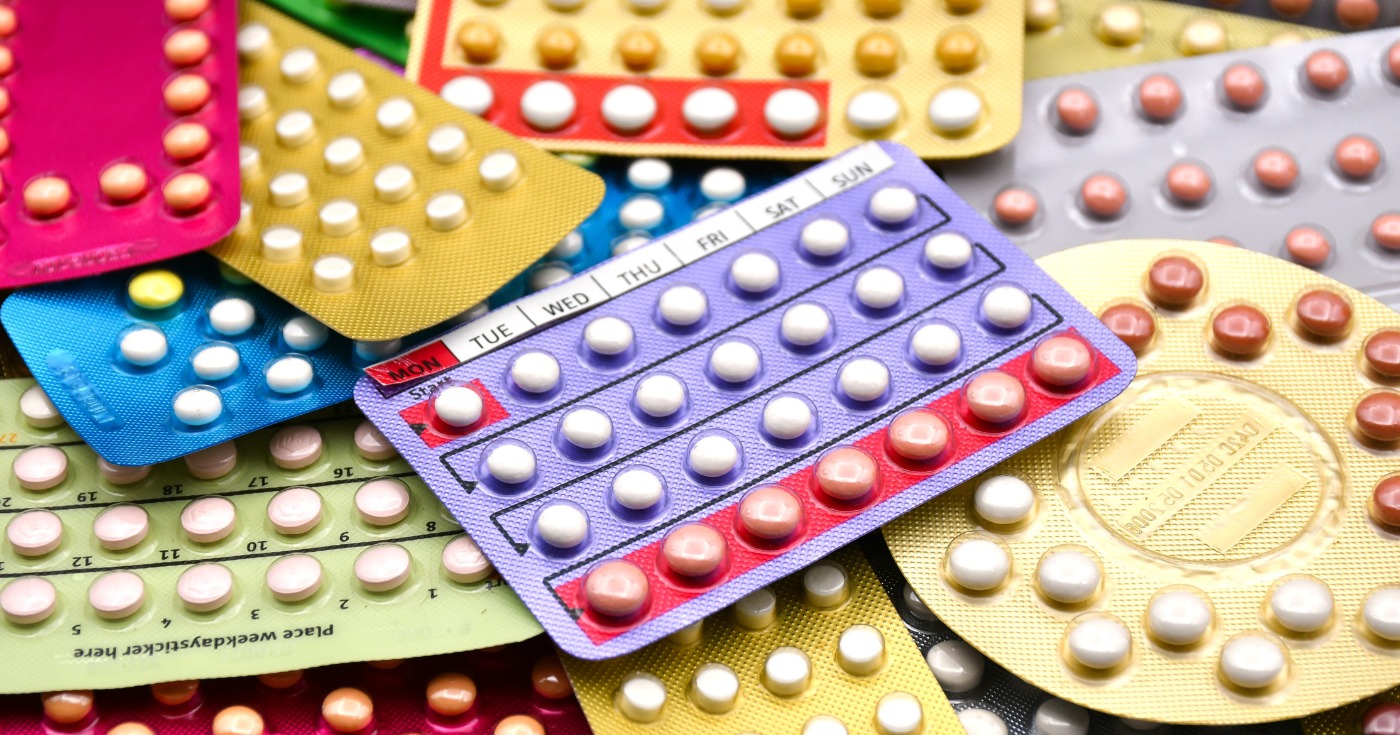
Do you remember that day when you started the pill? Maybe it was obvious. Maybe it was a contrecoric choice, between two alternatives not frankly pleasing. Since then, you take it every day. Without thinking about it too much. And your body has adapted or not.
How the pill act on your body without you realizing it
The pill is not a simple circuit breaker of ovulation. It is a hormonal rewriting on the scale of your metabolism. A chemical reprogramming of the menstrual cycle, the natural production of estrogen and progesterone. Result ? Invisible effects … but powerful.
Weight gain is one of the best known. Not systematic, but indeed documented. Water retention, swelling, deregulated appetite: your body swells, even if you eat as before. And this is only the beginning.
Chronic fatigue is another dreaded effect. You can sleep, drink your cafes, nothing helps. It is a deeper, metabolic exhaustion, which affects vitality itself. In the background, thyroid disturbances or a drop in certain vitamins such as B6 or magnesium, often linked to hormonal contraception.
And then there is the mind. The famous “brain fog”. Less clear ideas, a concentration to absent subscribers, new irritability. Women even report a feeling of dissociation, as if they no longer recognized themselves. This insidious discomfort is one of the most minimized effects.
What the notices do not always say: mood, libido, emotions
The pill is not content to block ovulation. It can also freeze part of your affect. Many women describe a radical fall in their libido from the first weeks of taking. Without desire, without sensations, sometimes even without orgasm. And no one had warned them.
The impact on mood is just as confusing. Studies on third and fourth generations pills, in particular, show an increased risk of depression, especially in the youngest users. Some feel “extinguished”, others become anxious or angry for no apparent reason.
Finally, there is this strange feeling that something is no longer round without being able to name it. Because you continue to live. To go to work. To go out. But part of you feels that the body is no longer in tune. And that, no pill box says it frankly.
What if you stopped? What some women report after stopping the pill
Stop the pill is not necessarily simple. The first months can be chaotic: return acne, anarchic cycle, reinforced premenstrual pain. But many also tell a progressive release.
Some collect their libido. Others see their energy come back, their ideas cleared up, appetite to regulate themselves. “I found myself,” they say. As if the mist finally got up.
You don’t have to justify yourself if you want to continue the pill. You also don’t have to feel guilty if you want to stop. The main thing is to know what it does to your body. To really choose. Not blind. Not in silence.
Mini FAQ: contraceptive pill
1. Does the pill get fat?
Yes, the pill can cause weight gain in certain women, but it is not systematic. This can be linked to water retention or an increase in appetite. Each organism reacts differently depending on the hormonal composition of the pill.
2. Can we get pregnant by taking the pill?
The pill is more than 99 % effective if it is taken properly, every day at the same time. But forgetting, vomiting, or drug interaction (such as some antibiotics or natural supplements) can reduce its effectiveness.
3. What are the most common side effects in the pill?
The most frequent side effects are headaches, nausea, mood swings, a drop in libido, breast sensitivity, or bleeding outside the rules. These effects vary from woman to woman.
4. At what age can we start to take the pill?
The pill can be prescribed from adolescence, generally from the first rules, if the girl needs it for contraception or to regulate her cycle. A medical consultation is necessary to choose the suitable pill.
5. What’s going on when you stop the pill?
Stop the pill can lead to a return to a natural cycle, sometimes irregular for a few months. Some women quickly regain their fertility, their libido or a better emotional balance, others can experience “rebound” effects such as acne or more marked menstrual pain.
Photo credit: @Shutterstock
