
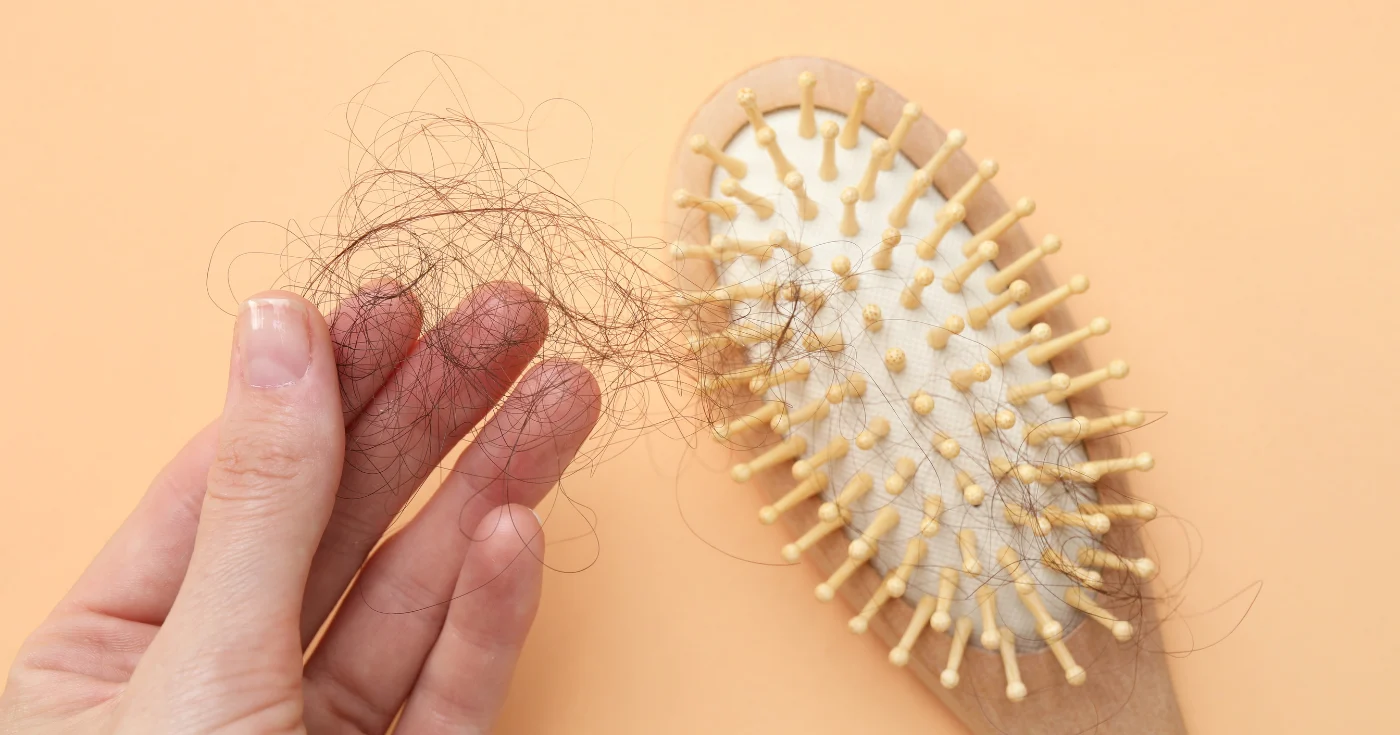
At first glance, it looks harmless. You use it morning and evening, without thinking too much about it. However, as the days go by, your trusty brush becomes a little sanctuary for dust, dead hair, dandruff, hairspray or dry shampoo residue. And the more you use it, the more it gently redistributes this cocktail on your clean scalp.
It’s time to stop for two minutes. Where did your last brush cleaning routine go? Never done it? Don’t worry, you’re not alone. But once you know what she’s hiding, you’ll no longer be able to ignore her.
Why you need to clean your brush (really)
With each pass through your hair, your brush recovers a little of your day: dust from the ambient air, excess sebum, fragments of broken hair, dead cells. Result ? It saturates. And since it doesn’t have a “reset” button, it ends up spreading on your scalp everything you wanted to avoid.
A dirty brush can also unbalance your scalp, cause more dandruff or make your hair look dull. Worse: if you have just washed your hair, you start straight from scratch using a disgusting brush. It cancels everything.
The simplest (and natural) method to clean it
Forget aggressive products, tutorials that are too long or lengthy techniques. You only need three things: a large bowl, hot water, and baking soda.
Here’s what you do:
- Fill a bowl or basin with very hot (but not boiling) water.
- Pour two tablespoons of baking soda into the water.
- Immerse your hairbrush(s) in this bath, and let them infuse for an hour.
- Once the bath is finished, remove the brushes, rinse them in clean water and let them air dry, bristles side down.
During this hour, the magic happens. Bicarbonate dissolves grease, gently disinfects, dislodges stuck residue. You’ll even see the water change color. Not very tasty, but super satisfying.
How often should this be done?
If you use your brush every day, cleaning every two weeks is ideal. If you have long hair, use a lot of styling products, or suffer from dandruff, switch to once a week.
And between two baths? Regularly remove stuck hair by hand or with a fine comb. This helps prevent buildup and makes deep cleaning easier afterwards.
Some bonus tips for always clean brushes
Not all brushes clean the same way. Here are some additional tips depending on the type:
- Wooden brush: avoid letting it soak for too long, water can damage it. Use a damp cloth if necessary.
- Natural bristle brush: Use an old toothbrush to gently scrub between the bristles after bathing.
- Plastic comb: Simply run it under warm, soapy water once a week.
Little pro tip: add a few drops of tea tree or lavender essential oil to your bicarbonate bath for a stronger antibacterial effect and a more pleasant smell.
The invisible trap of a neglected brush
You take care of your hair, you invest in good products, you do oil baths, treatments. But if your main tool – your brush – is dirty, it’s all for nothing.
Think of it like your toothbrush: you would never leave it covered in suds and toothpaste residue, right? So why do anything different with your hairbrush?
